
 한국어
 English
 日本語
 中文(简体)
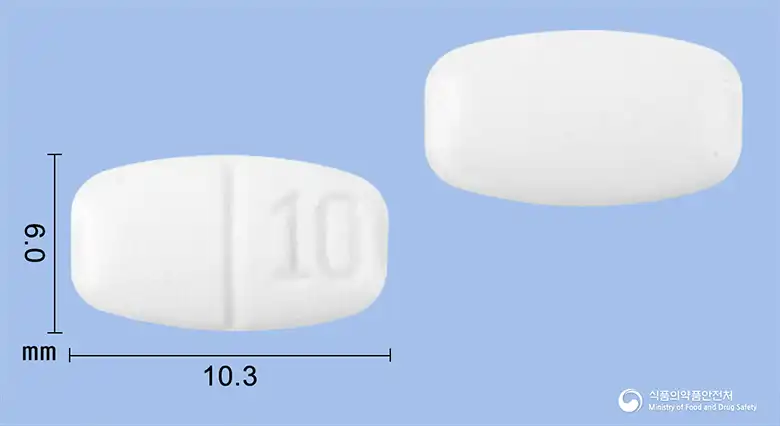 Viewing now
Boryung Buspar Tablets 10 mg (Buspirone Hydrochloride)
Buspirone Hydrochloride 10mg
Tablet · Prescription medication
Boryung Pharmaceutical Co., Ltd.
MFDS item code 198700707 · Notified 1987.06.25 · Insurance code 641901270
Treatment of anxiety disorders; short-term relief of anxiety symptoms
This medication is used for the treatment of anxiety disorders and for the short-term relief of anxiety symptoms. It helps reduce the feelings of anxiety or tension experienced by patients, aiding in daily life. When taken, patients may feel a sense of stabilization and comfort. With consistent use, anxiety symptoms may improve, promoting psychological stability. If used correctly as directed by a physician, it is effective in alleviating anxiety-related symptoms.
Adults: The initial dose is buspirone hydrochloride 5㎎ orally 3 times daily. If necessary, to achieve an adequate therapeutic response, it is desirable to increase the daily dose by 5㎎ at intervals of 2-3 days, to 20-30㎎ per day in divided doses. The total daily dose must not exceed 60㎎. The dose may be adjusted appropriately according to age and symptoms.
This medication should not be used in certain patients. For example, individuals allergic to this medication, those with severely impaired liver or kidney function, patients with epilepsy, those with acute glaucoma, those with severe myasthenia gravis, and patients taking MAO inhibitors should not take this medication. When taking this medication, various side effects may occur, so caution is required. Cardiovascular system: Chest pain, fainting, blood pressure changes, heart disease may occur. Central nervous system: Drowsiness, dizziness, insomnia, hallucinations, suicidal thoughts, and psychotic symptoms may appear, and in severe cases, confusion or speech disorders may occur. Eyes, ears, nose, throat: Tinnitus, sore throat, eye congestion, itching, changes in taste and smell may occur. Endocrine system: Rarely, abnormal milk secretion or thyroid dysfunction may occur. Gastrointestinal system: Abdominal bloating, appetite changes, nausea, intestinal bleeding may occur. Urogenital system: Changes in urination frequency, menstrual abnormalities, erectile dysfunction have been reported. Musculoskeletal system: Muscle pain or joint pain may occur. Respiratory system: Hyperventilation or chest congestion may appear. Skin: Swelling, itching, rash, dry skin, bruising may occur. Liver function abnormalities or changes in blood cell count have also been reported rarely. Additionally, severe symptoms known as neuroleptic malignant syndrome may occur, which involves muscle rigidity, high fever, and altered consciousness, requiring immediate medical attention. This medication is not used as an antipsychotic, and careful observation of the patient’s response post-administration is necessary. Driving or operating dangerous machinery should be avoided until side effects are assessed after taking this medication. Patients who have used central nervous system depressants for a long time should gradually reduce their existing medications before starting this medicine. This medication can cause movement disorders or restlessness due to its action on dopamine receptors, so caution is required if abnormal symptoms appear. When combined with other psychoactive drugs, potential interactions may occur, necessitating caution. It is advisable not to take it with alcohol, and combining it with MAO inhibitors may increase the risk of elevated blood pressure, so they should not be taken together. The use of this medication should be carefully considered for women who are pregnant or may become pregnant, and nursing mothers should avoid taking it. Safety and efficacy in children under 18 have not been established, so it’s safer not to use this medication in this age group. In cases of overdose, symptoms may include nausea, vomiting, dizziness, sleepiness, and since there is no specific antidote, treatment and observation according to symptoms are required. Finally, when taking this medication, it is essential to inform the physician about any current medications being taken, alcohol consumption, pregnancy status, and breastfeeding. Patients with a history of substance abuse require closer monitoring.
Nonspecific chest pain, syncope, hypertension, hypotension, cerebrovascular disease, congestive heart failure, myocardial infarction, cardiomyopathy, bradycardia, sleep disturbances, drowsiness, dizziness, neurosis, agitation, insomnia, depersonalization, malaise, noise intolerance, dysphoria, inability to remain in a sitting position for a long time, fear, loss of motivation, disassociative response, hallucinations, suicidal ideation, paranoia, claustrophobia, cold intolerance, confusion, language disorders, psychosis, tinnitus, sore throat, congestion, ocular congestion, itching, posterior, after, conjunctivitis, inner ear abnormalities, ocular pain, photophobia, intraocular pressure increase, galactorrhea, thyroid abnormalities, abdominal distension, decreased appetite, increased appetite, salivation, irritable bowel syndrome, rectal bleeding, nausea, burning sensation of the tongue, frequent urination, urinary hesitation, menstrual irregularities, anuria, increased libido, decreased libido, amenorrhea, pyelonephritis, enuresis, nocturia, delayed ejaculation, erectile dysfunction, myalgia, muscle spasms, joint pain, involuntary movement, delayed reflex time, myasthenia, hyperventilation, tachypnea, pulmonary congestion, internal bleeding, edema, itching, flushing, hair loss, dry skin, facial edema, blisters, pressure sores, nail thickening, easy bruising, increased ALT, increased AST, eosinophilia, leukopenia, thrombocytopenia, motor paralysis, severe muscle rigidity, dysphagia, tachycardia, blood pressure changes, sweating, fever, leukocytosis, elevated serum CPK, myoglobinuria, renal function decline, high fever, altered consciousness, dyspnea, circulatory collapse, dehydration symptoms, acute renal failure, weight loss, weight gain, confusion, headache, fatigue, alcohol dependence, bleeding disorders, voice loss, hiccups, nausea, vomiting, sinusitis, gastrointestinal disorders
Not everyone experiences these, and they can vary from person to person.
This medication is sensitive to light, so it should be stored in a container that blocks light, and the safe storage temperature is between 1 degree and 30 degrees Celsius at room temperature. Therefore, it is important to avoid direct sunlight and store it in a cool place.
White tablets with a biconvex rectangular shape.
30 tablets/bottle, 100 tablets/bottle
Even with the same ingredient, strength, dosage form and how it is taken can differ.
Viewing nowBuspirone Hydrochloride 10mg
Tablet · Prescription medication
Boryung Pharmaceutical Co., Ltd.
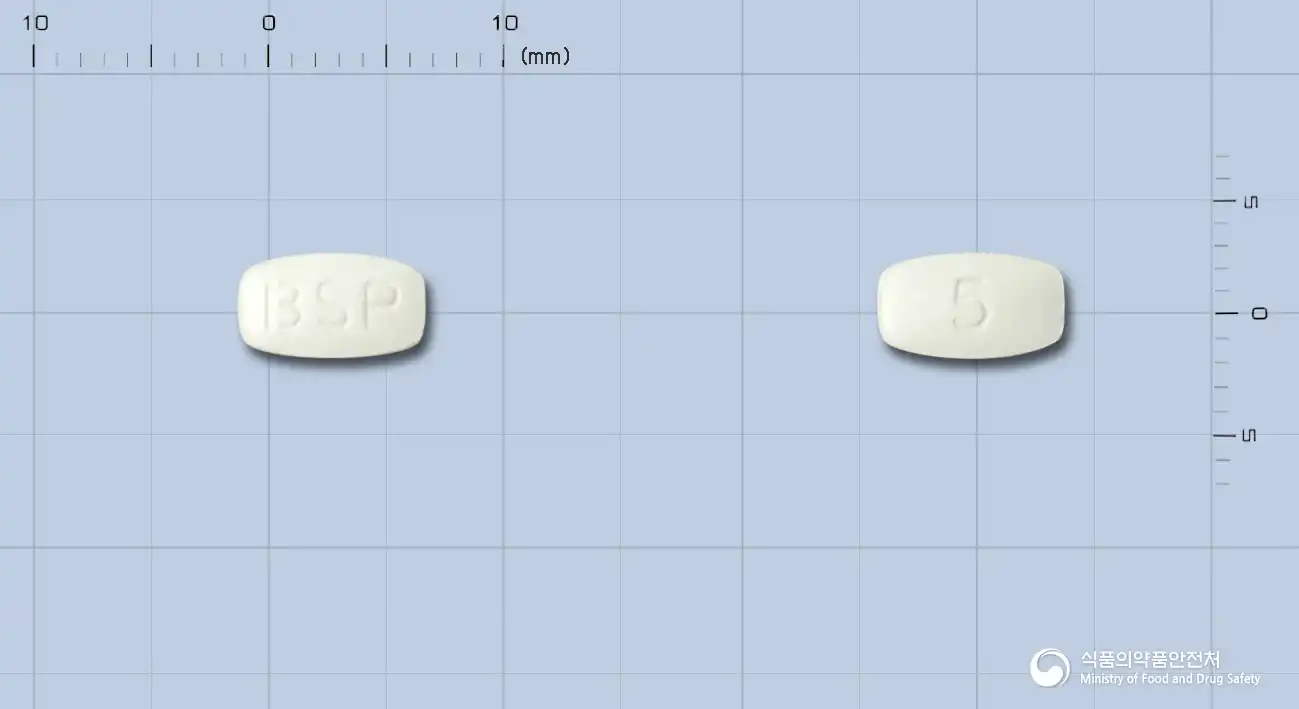
Buspirone Hydrochloride 5mg
Tablet · Prescription medication
Boryeong Co., Ltd.
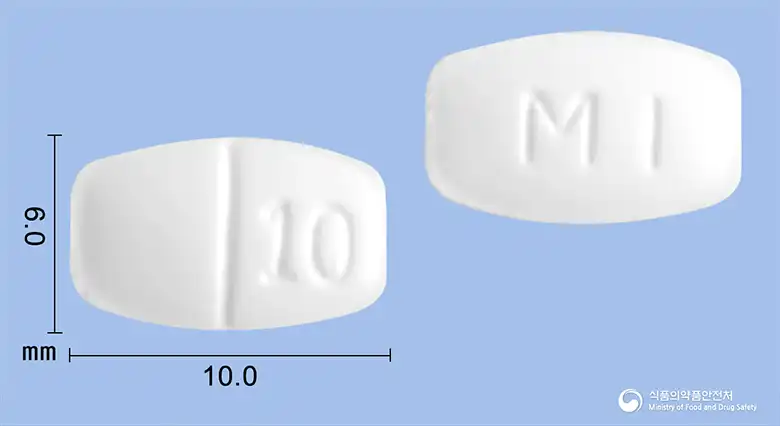
Buspirone Hydrochloride 10mg
Tablet · Prescription medication
Myongin Pharmaceutical Co., Ltd.
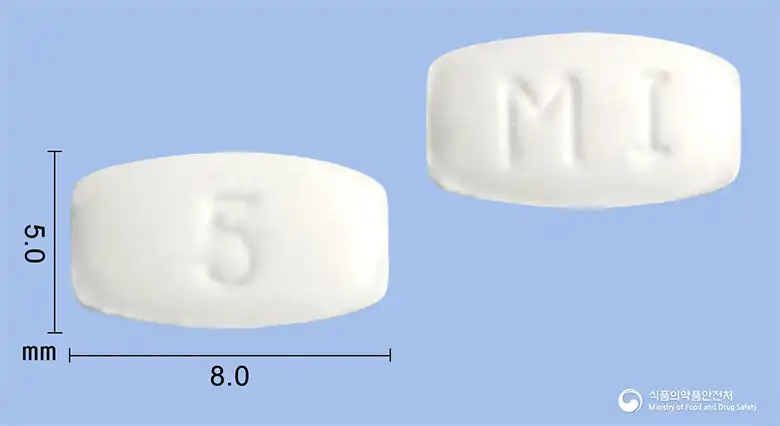
Buspirone Hydrochloride 5mg
Tablet · Prescription medication
Myungin Pharmaceutical Co., Ltd.

Buspirone Hydrochloride 5mg
Tablet · Prescription medication
HanKook Hutech Pharmaceutical Co., Ltd.
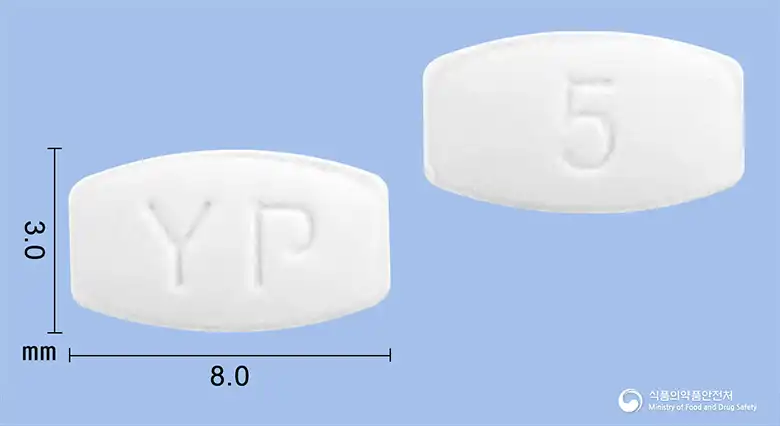
Buspirone Hydrochloride 5mg
Tablet · Prescription medication
Youngpoong Pharmaceutical Co., Ltd.
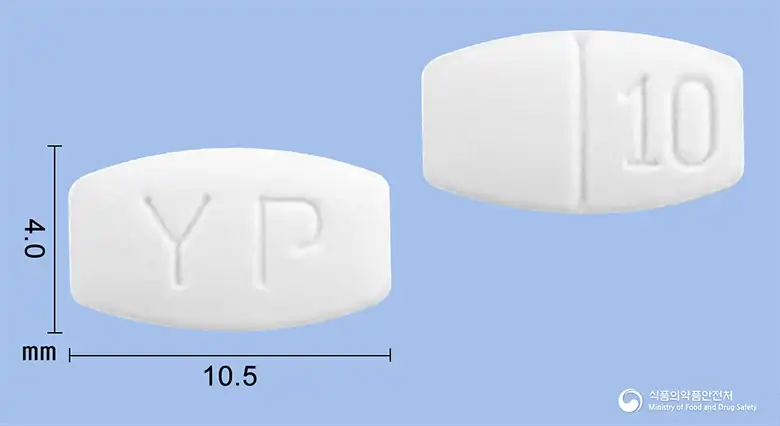
Buspirone Hydrochloride 10mg
Tablet · Prescription medication
Young Poong Pharmaceutical Co., Ltd.

Buspirone Hydrochloride 5mg
Tablet · Prescription medication
Jinyang Pharmaceutical Co., Ltd.
Even with the same ingredient, the dose and directions can differ by strength and dosage form. Talk to a doctor or pharmacist before switching from a medication you are already taking.
No questions yet.
For anything that needs medical judgment, consult a doctor or pharmacist.
This drug information is based on data provided by the Korea Ministry of Food and Drug Safety.
Consult a doctor or pharmacist for accurate dosage, administration, and usage instructions.