
 한국어
한국어 English
 日本語
日本語 中文(简体)
 Viewing now
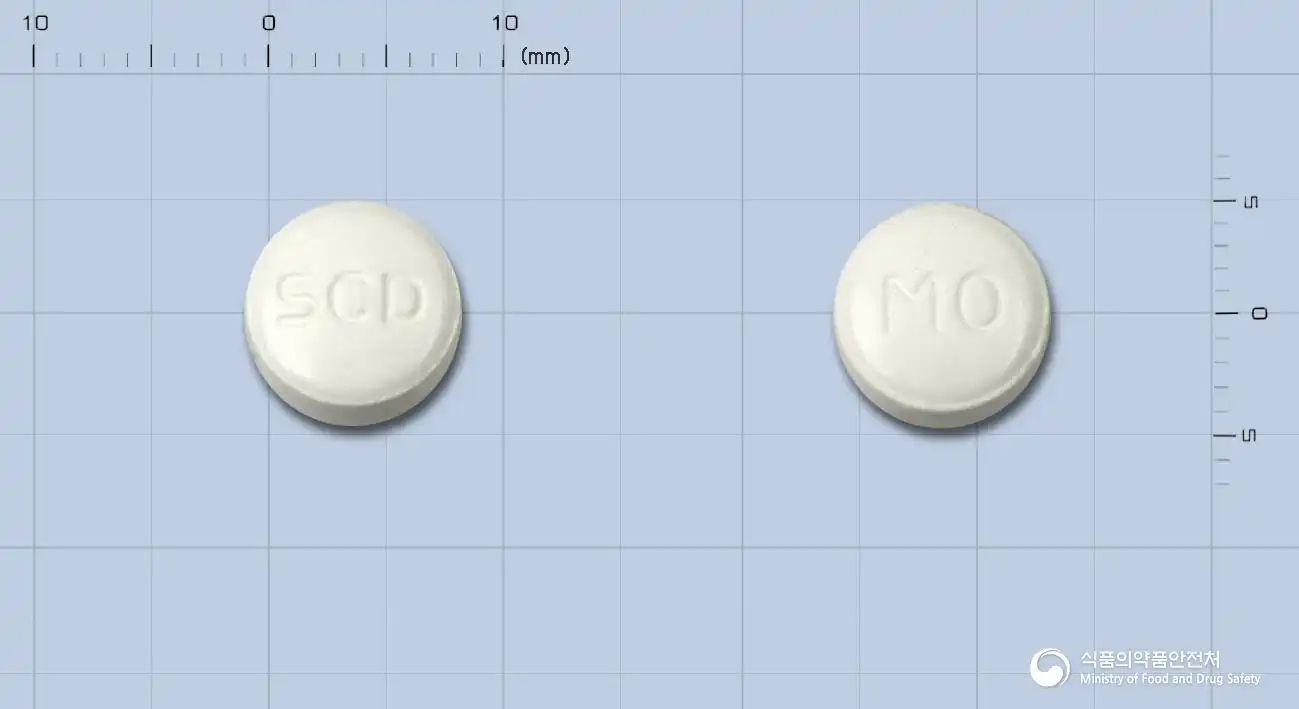
Samcheondang Magnesium Oxide Tablets 250 mg
Magnesium Oxide 250mg
Tablet · OTC medication
Samcheondang Pharmaceutical Co., Ltd.
MFDS item code 198700641 · Notified 1987.06.10 · Insurance code 651200740
Improvement of gastric (ulcer, gastritis) and excessive gastric acid symptoms, and relief of constipation
This medication helps alleviate symptoms such as gastric and duodenal ulcers, gastritis, and excess stomach acid, and improves discomfort in the stomach through its antacid action. It is also effective in relieving constipation and is used to improve various discomforts associated with gastrointestinal diseases.
1) Gastric and duodenal ulcers, gastritis, excess stomach acid: Administer 0.5-1g of magnesium oxide orally in multiple doses per day. 2) Constipation: Administer 2g orally in 1-2 doses per day. Start with the minimum amount and adjust based on the shape and condition of the stool.
This medication is not recommended for patients with severe renal impairment. This is because excess magnesium may accumulate in the body and pose a risk in such cases. Additionally, it is also not safe to administer this medication to patients with diarrhea. Caution should be exercised when using this medication in patients with heart problems, those with already high magnesium levels, and elderly patients over 65 years old. Gastrointestinal symptoms such as diarrhea may sometimes occur after taking this medication. Long-term intake of large amounts may lead to elevated blood magnesium levels, so it is important to regularly monitor the condition and reduce the dosage or temporarily discontinue the drug if any abnormalities arise. If symptoms like dizziness, slow pulse, severe drowsiness, altered consciousness, shortness of breath, muscle weakness, or dry mouth occur, stop taking the medication immediately and consult a physician or pharmacist. In cases of magnesium overdose, treatment may involve potassium salt injections. This medication may interfere with the absorption of specific antibiotics, such as tetracyclines, so it is advisable not to use them together. Moreover, since this medication can affect the absorption or excretion of other drugs in the intestines, it should be used cautiously when combined with other medications. Caution should also be exercised when taking large amounts with milk or calcium supplements, as symptoms such as hypercalcemia may occur; monitor closely and discontinue if any abnormalities arise. Lastly, this medication can absorb moisture and carbon dioxide from the air, so it is best stored in a sealed container.
Shortness of breath
Not everyone experiences these, and they can vary from person to person.
Do not take tetracycline antibiotics while using this medication.
Caution is needed when taking this medication with large amounts of milk and calcium supplements. Consult a physician or pharmacist.
This medication should be stored in a sealed container to prevent air or moisture from entering. It is best to maintain a storage temperature between 1 and 30 degrees Celsius. Proper storage will help sustain the medication's effectiveness and safety over time.
White round tablet
1000 tablets/bottle
Even with the same ingredient, strength, dosage form and how it is taken can differ.
Viewing nowMagnesium Oxide 250mg
Tablet · OTC medication
Samcheondang Pharmaceutical Co., Ltd.
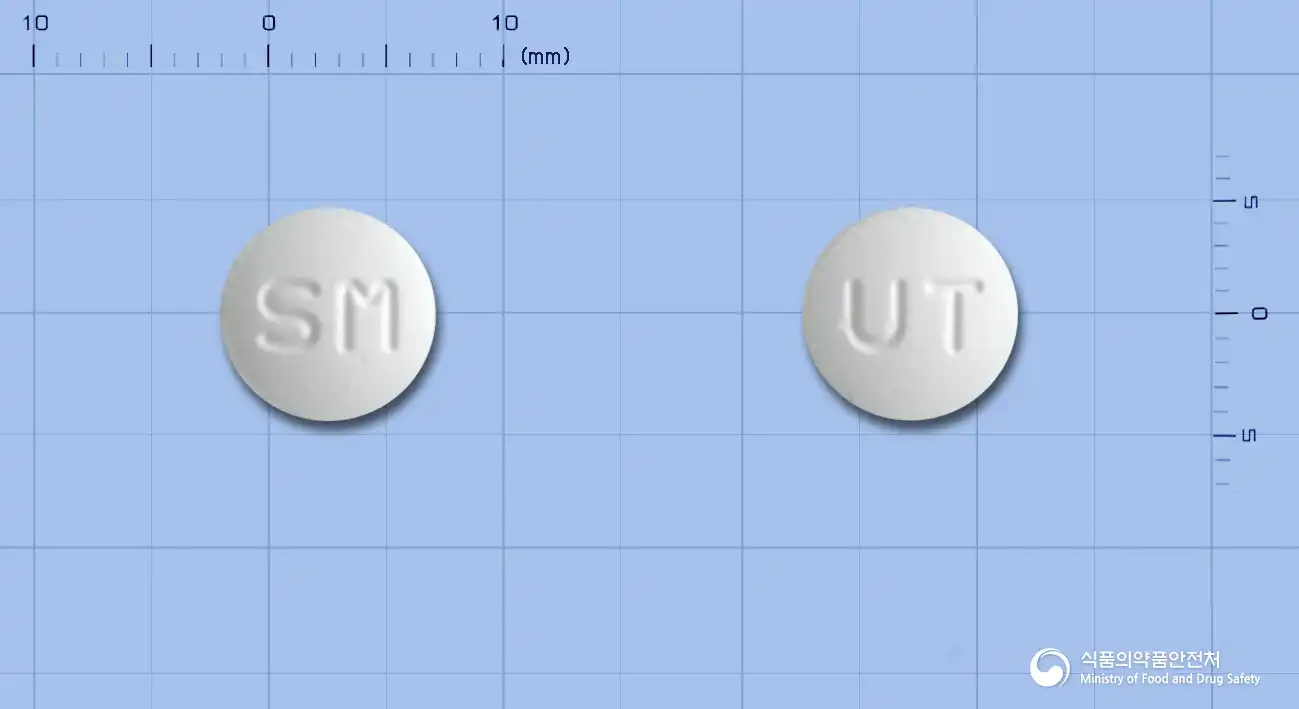
Magnesium Oxide 250mg
Tablet · OTC medication
Korea United Pharmaceutical Co., Ltd.
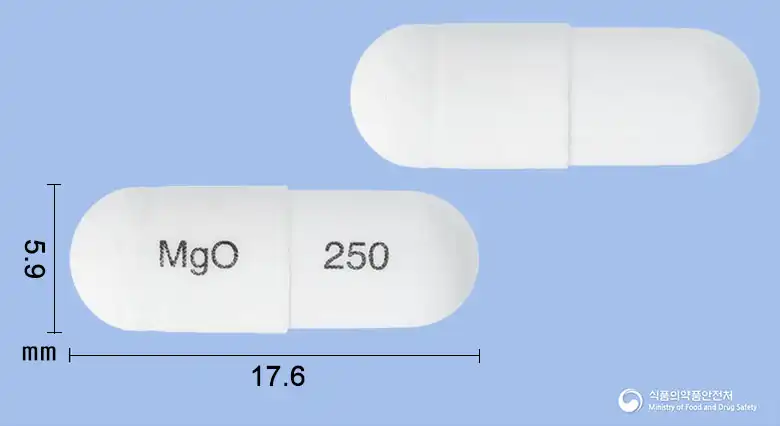
Magnesium Oxide 250mg
Hard capsule · OTC medication
Korea Pharma Co., Ltd.
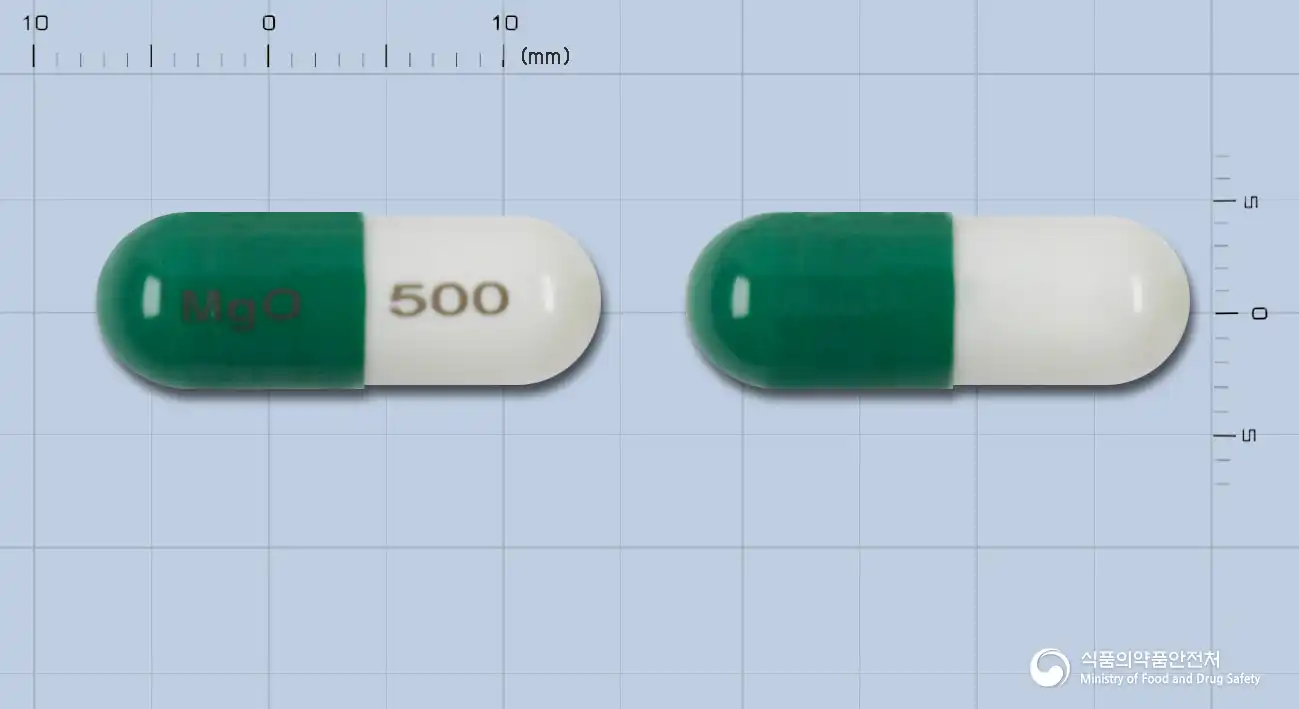
Magnesium Oxide 500mg
Hard capsule · OTC medication
Korea Pharma Co., Ltd.
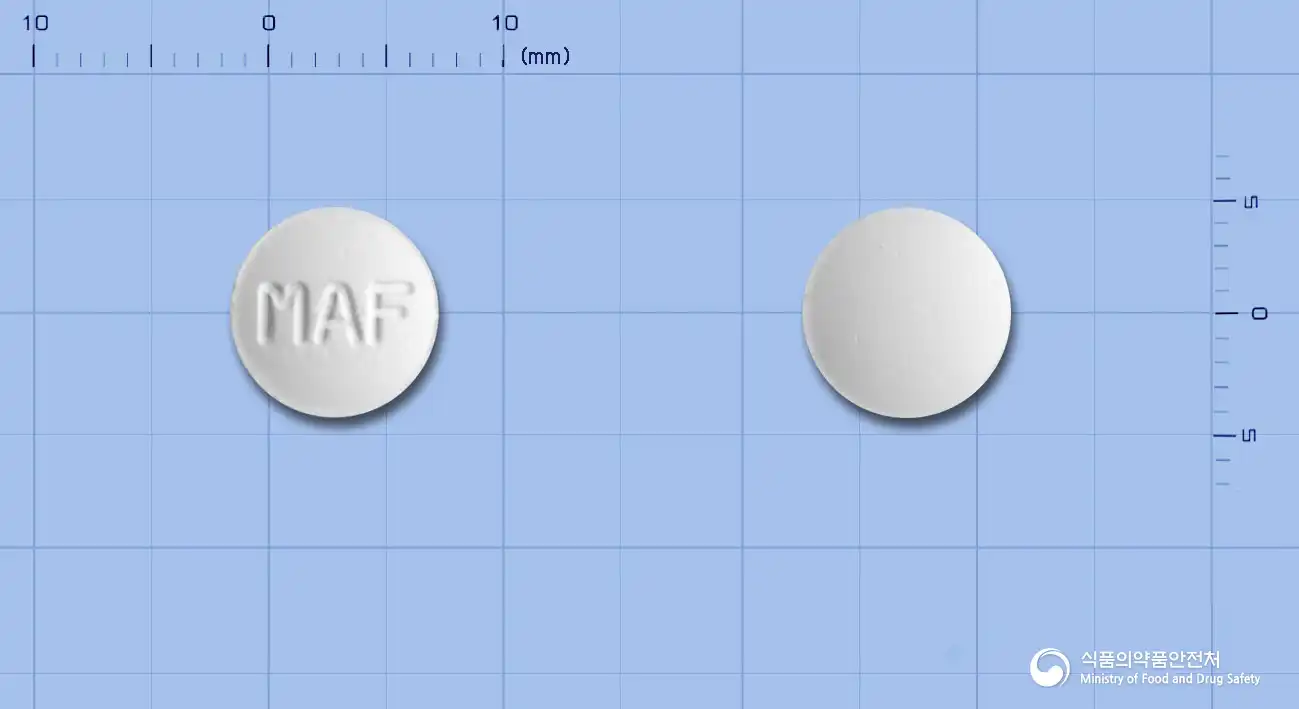
Magnesium Oxide 250mg
Tablet · OTC medication
Samnam Pharmaceutical Co., Ltd.
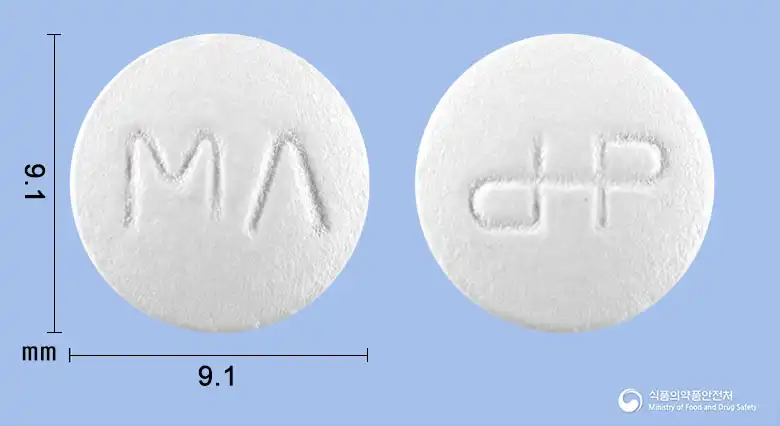
Magnesium Oxide 250mg
Tablet · OTC medication
Daehwa Pharmaceutical Co., Ltd.
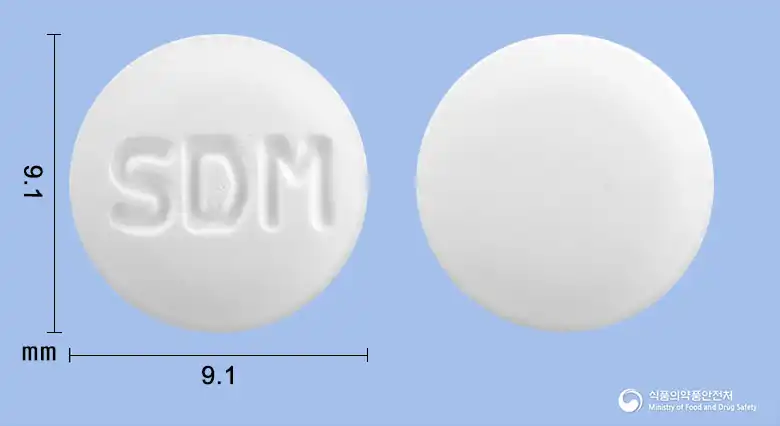
Magnesium Oxide 250mg
Tablet · OTC medication
Pharmgen Science Co., Ltd.
Even with the same ingredient, the dose and directions can differ by strength and dosage form. Talk to a doctor or pharmacist before switching from a medication you are already taking.
No questions yet.
For anything that needs medical judgment, consult a doctor or pharmacist.
This drug information is based on data provided by the Korea Ministry of Food and Drug Safety.
Consult a doctor or pharmacist for accurate dosage, administration, and usage instructions.