
 한국어
한국어 English
 日本語
日本語 中文(简体)
 Viewing now
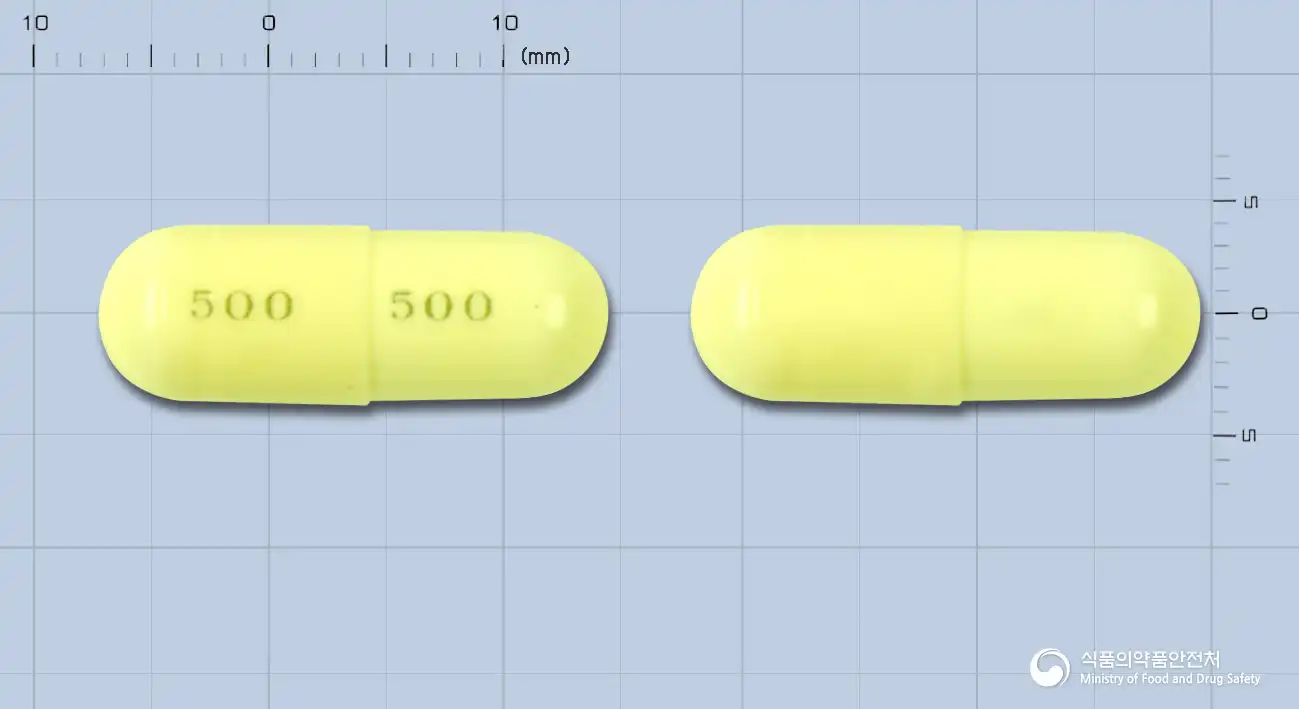
Camex Capsule (Cefadroxil Hydrate)
Cefadroxil Hydrate 500mg
Hard capsule · Prescription medication
Jongkundang Co., Ltd.
MFDS item code 198700096 · Notified 1987.01.20 · Insurance code 643303410
Treatment of urinary tract infections (pyelonephritis, cystitis) and skin infections
This drug is effective against a variety of bacteria including beta-hemolytic streptococcus, penicillinase-producing staphylococcus, and pneumococcus. It is primarily used for urinary tract infections such as pyelonephritis, cystitis, and urethritis, and is also helpful in treating skin and soft tissue infections. Additionally, it is used for upper respiratory tract infections such as pharyngitis and tonsillitis. Taking this drug can improve symptoms caused by infections and effectively treat bacterial infections.
1) Urinary infections: For uncomplicated lower urinary tract infections (such as cystitis), administer cefadroxil orally at a dose of 1-2g (potency) divided into 1-2 doses a day. For other urinary infections, administer 2g (potency) divided into 2 doses per day. 2) Skin and soft tissue infections: Administer 1g (potency) orally divided into 1-2 doses per day. 3) Pharyngitis, tonsillitis: For pharyngitis and tonsillitis caused by beta-hemolytic streptococcus, administer 1g (potency) orally divided into 1-2 doses for 10 days.
1) Urinary infections, skin, and soft tissue infections: Administer 30mg (potency) per kilogram of body weight orally twice a day. 2) Pharyngitis, tonsillitis: Administer 30mg (potency) per kilogram of body weight orally 1-2 times.
This medication should not be used in patients who have previously experienced severe allergic reactions such as shock due to this drug. It should also not be administered to patients who have had allergic reactions to cephalosporin antibiotics. It is not suitable for patients with specific infections such as infectious mononucleosis. This medication contains lactose, therefore it should not be given to patients with genetic disorders that prevent the digestion of lactose. When using this drug, caution must be exercised particularly in patients with a history of allergic reactions or sensitivities to penicillin antibiotics. It should also be used carefully in individuals who are prone to easily developing allergic symptoms such as bronchial asthma or skin rashes. Patients with severely impaired kidney function, elderly patients who may have poor nutritional status or difficulty eating, and those with a history of gastrointestinal diseases should also use this drug with caution. This medication can rarely cause severe allergic reactions, blood abnormalities, liver dysfunction, kidney damage, and severe enteritis as side effects. If significant skin reactions such as severe rashes or Stevens-Johnson syndrome occur, administration should be stopped immediately. Additionally, neurological symptoms such as dizziness, drowsiness, headache, and vitamin deficiency symptoms may also occur. When using this drug, it is important to confirm the susceptibility of the infectious bacteria to prevent the development of resistant bacteria and to administer it for only the necessary minimum duration. If hypersensitivity is suspected, administration should be stopped immediately, and appropriate treatment should be initiated. Regular monitoring of blood, kidney, and liver function tests should be conducted to check for abnormalities. Dose adjustment may be needed in patients with impaired kidney function, as serious side effects such as seizures may occur, necessitating close attention. This drug may further damage the kidneys when used with other medications that burden the kidneys, so caution is necessary when used together. Additionally, the concentration of this drug in the body may increase when used in conjunction with specific medications, so it should be administered carefully. During pregnancy, the safety has not been fully established, and pregnant women or those who may become pregnant should only use this medication when the benefits outweigh the risks. Nursing mothers should also exercise caution when using this drug. Elderly individuals may experience side effects more easily due to decreased bodily functions, so the dosage and administration intervals should be adjusted while monitoring their condition closely. In particular, there is an increased risk of bleeding due to vitamin K deficiency, so caution is advised. This medication may affect urine test results, so it is advisable to inform the doctor during testing. Furthermore, photosensitivity skin reactions may occur, so sun exposure should be avoided.
Urticaria, chest tightness, difficulty breathing, cold sweat, pallor, anaphylaxis, shock, severe swelling accompanied by hypertension, severe rash, blisters, skin peeling, oral/eye mucosal pain, difficulty breathing, asthma attacks, respiratory issues along with cough and fever, jaundice indicated by yellowing of the skin or eyes, profound lethargy, acute renal failure, severe swelling or urination abnormalities, Stevens-Johnson syndrome, severe neurological symptoms.
Not everyone experiences these, and they can vary from person to person.
This drug should be stored in a tightly sealed container to protect it from air and moisture. It is important to maintain a storage temperature between 1 degree and 30 degrees Celsius at room temperature.
Opaque hard capsules containing a white to pale yellow powder with an off-white upper and lower shell
30 capsules/bottle, 100 capsules/bottle
Even with the same ingredient, strength, dosage form and how it is taken can differ.
Viewing nowCefadroxil Hydrate 500mg
Hard capsule · Prescription medication
Jongkundang Co., Ltd.
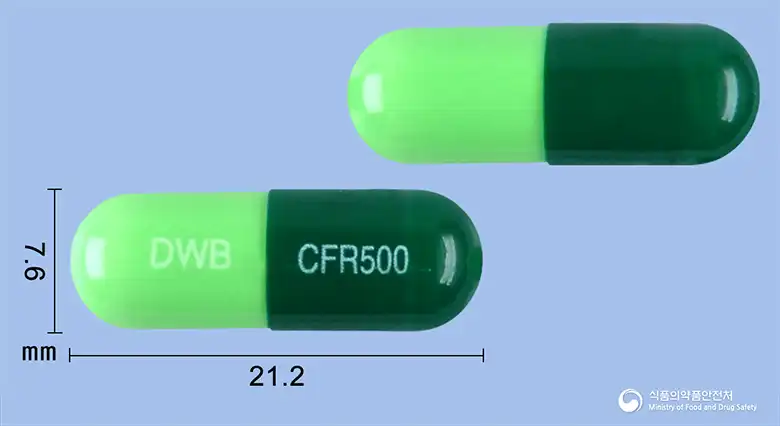
Cefadroxil Hydrate 500mg
Hard capsule · Prescription medication
Daewoong Bio Co., Ltd.
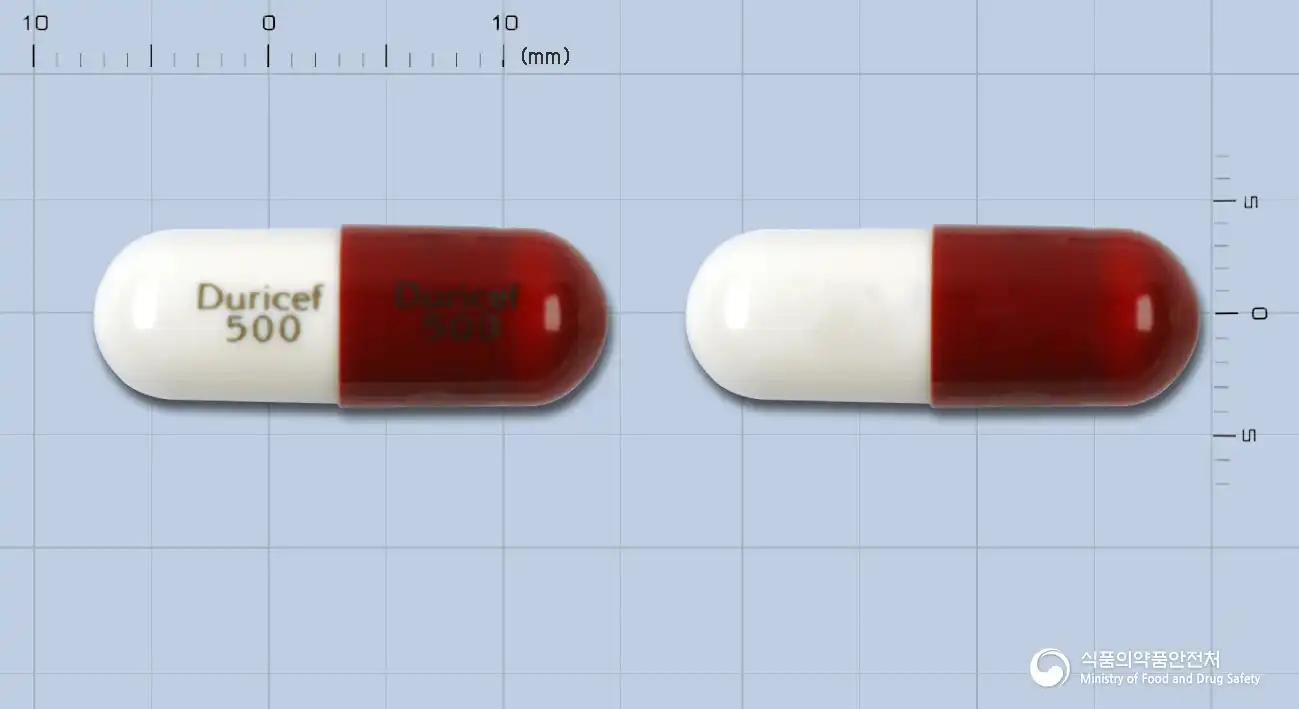
Cefadroxil Hydrate 500mg
Hard capsule · Prescription medication
Boryung Inc.
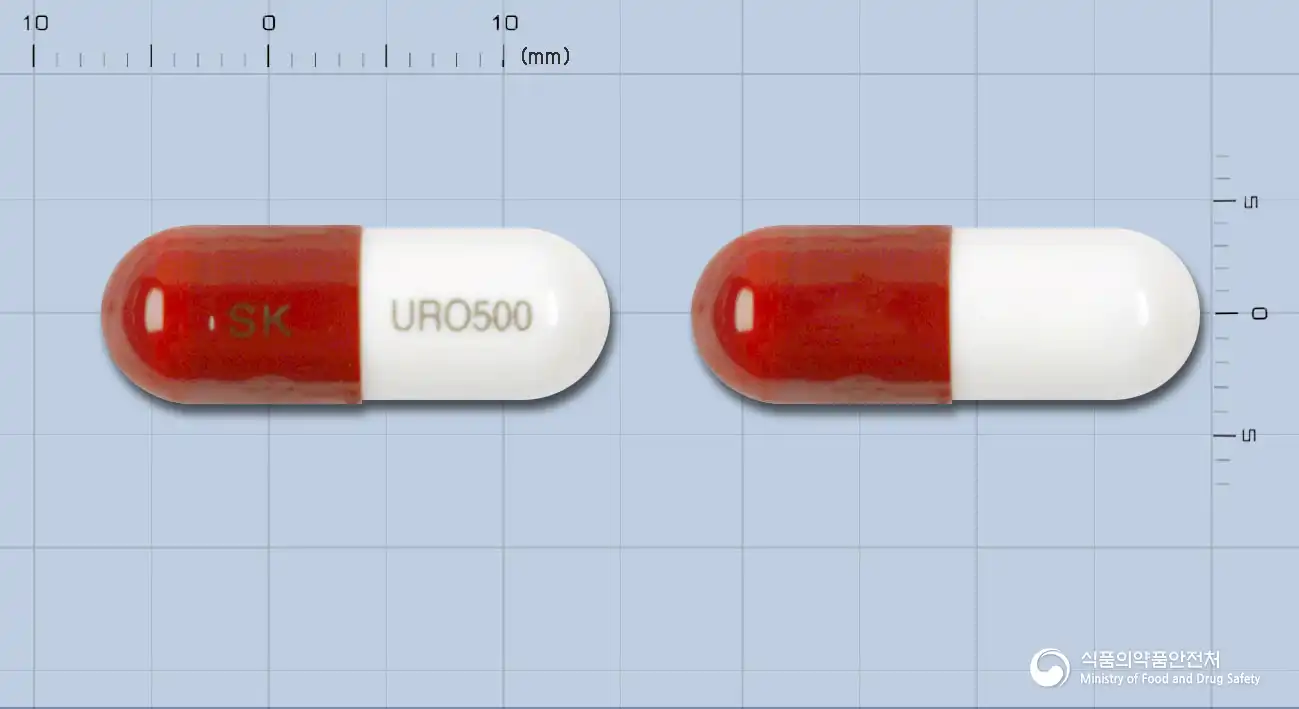
Cefadroxil Hydrate 500mg
Hard capsule · Prescription medication
SK Chemical Co., Ltd.
Cefadroxil Hydrate 9g
Prescription medication
Boryeong Co., Ltd.
Cefadroxil Hydrate 4.5g
Prescription medication
Boryeong Co., Ltd.
Cefadroxil Hydrate 500mg
Hard capsule · Prescription medication
Korea Pharmaceutical Co., Ltd.
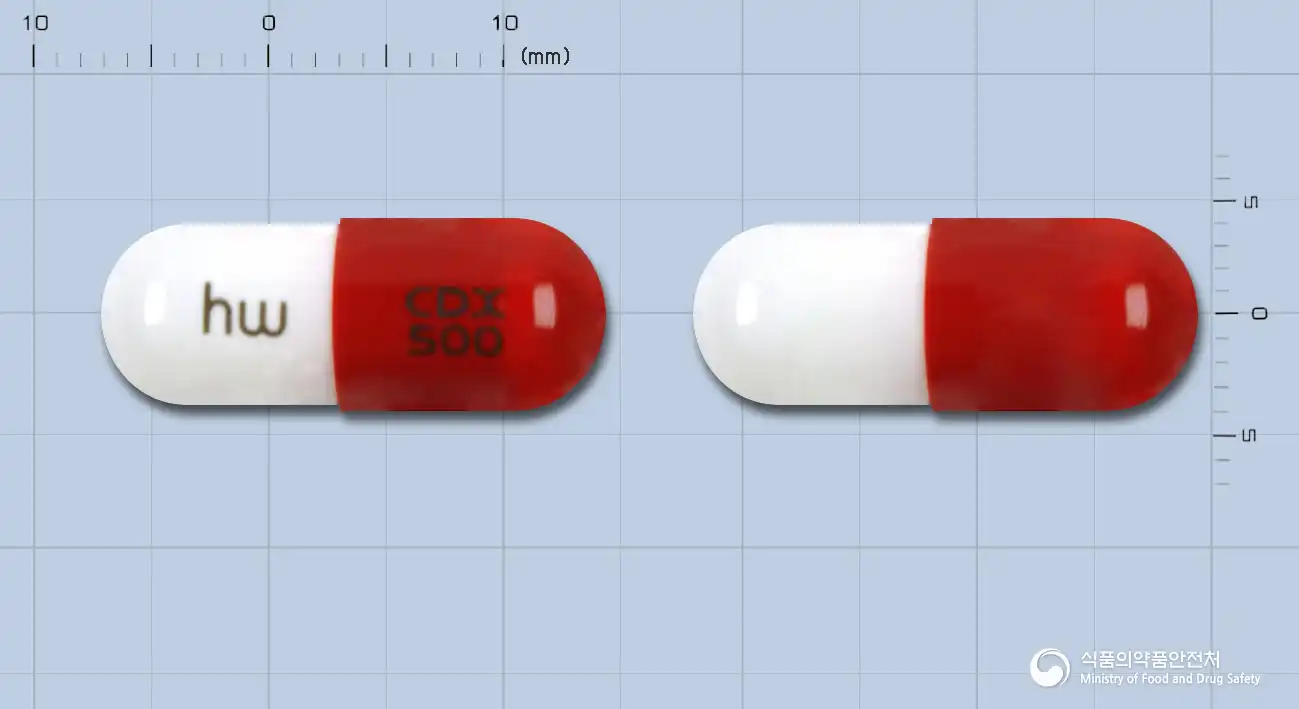
Cefadroxil Hydrate 500mg
Hard capsule · Prescription medication
Hawon Pharmaceutical Co., Ltd.
Even with the same ingredient, the dose and directions can differ by strength and dosage form. Talk to a doctor or pharmacist before switching from a medication you are already taking.
No questions yet.
For anything that needs medical judgment, consult a doctor or pharmacist.
This drug information is based on data provided by the Korea Ministry of Food and Drug Safety.
Consult a doctor or pharmacist for accurate dosage, administration, and usage instructions.