
 한국어
 English
 日本語
 中文(简体)
 Viewing now
Myeongmun Glycopyrrolate Tablets
Glycopyrrolate 1mg
Tablet · Prescription medication
Myeongmun Pharmaceutical Co., Ltd.
MFDS item code 198601958 · Notified 1986.10.24 · Insurance code 649800810
Adjunctive treatment of gastric and duodenal ulcers
This medication is used as an adjunctive treatment for gastric and duodenal ulcers.
Adults: Administer 1 〜 2 mg of glycopyrrolate per dose orally 2 ∼ 3 times daily. The maximum recommended daily dose is 8 mg. The dose may be adjusted as appropriate depending on symptoms.
This medication should not be used in certain patients. First, it should not be administered to patients who have an allergic reaction to this drug. Also, it should not be given to patients with glaucoma or obstructive uropathy, such as those with prostatic hypertrophy, who may have difficulty urinating. Patients with gastrointestinal issues, poor heart function, severe ulcerative colitis, or myasthenia gravis should also refrain from using this medication. Furthermore, this medication contains lactose, so those with lactose intolerance or specific genetic metabolic disorders should not take it. This medication should be used cautiously in patients with autonomic nervous system disorders, impaired liver or kidney function, or ulcerative colitis. Patients with hyperthyroidism, heart disease, hypertension, or prostatic hypertrophy should also be monitored closely. Additionally, elderly individuals or those with a hiatal hernia should be careful when taking this medication. Taking this medication may result in allergic reactions such as rash or hives; in severe cases, anaphylaxis may occur, so immediate cessation is required if such symptoms appear. Gastrointestinal symptoms may include dry mouth, constipation, abdominal distension, nausea, vomiting, and heartburn. Urinary symptoms may present as difficulty urinating, frequent urination, and sexual dysfunction. Cardiac symptoms may include rapid heartbeat or palpitations. Neurological symptoms may involve headache, dizziness, fatigue, altered taste, irritability, confusion, drowsiness, and insomnia. Ocular symptoms may include blurred vision, dilated pupils, and difficulty focusing, with possible increased intraocular pressure. Additionally, dry mouth, decreased sweating, edema, and reduced milk secretion might be experienced. This medication can reduce sweat secretion, affecting thermal regulation; thus, the risk of heat stroke may increase in hot environments. Patients who have had bowel surgery may experience diarrhea, so caution is advised. Also, drowsiness or blurred vision may occur, so it is advisable to avoid driving or operating hazardous machinery. In case of overdose, symptoms similar to muscle relaxation may be observed, so caution is essential. This medication may potentiate effects when taken with specific antidepressants, antipsychotics, and MAO inhibitors, thus consultation with a physician is necessary. Women who are pregnant or may become pregnant should avoid this medication as safety has not been established. Breastfeeding women should also refrain from using this medication as it is unknown if it passes into breast milk. The safety of this medication has not been confirmed in children under 12 years old, so it is advisable not to use it in this age group. In cases of overdose, gastric lavage, laxatives, or enemas may be used to reduce drug absorption. Certain antidotes may be utilized to counteract anticholinergic effects, and if hypotension occurs, intravenous medications may be administered to raise blood pressure. In cases of respiratory distress, oxygen supply, artificial respiration, or respiratory stimulants may be required.
Not everyone experiences these, and they can vary from person to person.
This medication should be stored at room temperature between 1°C and 30°C, in a tightly sealed container to prevent air entry. Doing so will help maintain the efficacy of the drug for a longer duration and prevent deterioration.
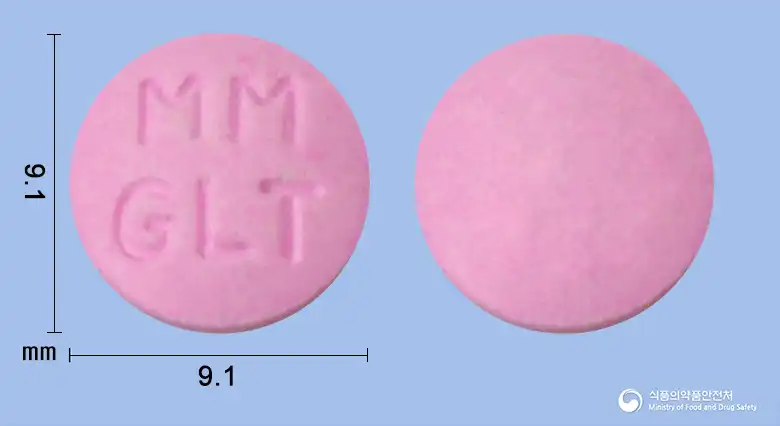
Pink round tablets
30 tablets/bottle, 300 tablets/bottle
Even with the same ingredient, strength, dosage form and how it is taken can differ.
Viewing nowGlycopyrrolate 1mg
Tablet · Prescription medication
Myeongmun Pharmaceutical Co., Ltd.
Glycopyrrolate 0.2mg
Prescription medication
Myungmoon Pharmaceutical Co., Ltd.
Glycopyrrolate 0.2mg
Prescription medication
Iyeon Pharmaceutical Co., Ltd.
Glycopyrrolate 0.2mg
Prescription medication
Samhcheondang Pharmaceutical Co., Ltd.
Glycopyrrolate 0.2mg
Injections · Prescription medication
BC World Pharma Co., Ltd.
Glycopyrrolate 0.2mg
Prescription medication
Hana Pharm Co., Ltd.
Glycopyrrolate 23.4mg
OTC medication
Person Co., Ltd.
Even with the same ingredient, the dose and directions can differ by strength and dosage form. Talk to a doctor or pharmacist before switching from a medication you are already taking.
No questions yet.
For anything that needs medical judgment, consult a doctor or pharmacist.
This drug information is based on data provided by the Korea Ministry of Food and Drug Safety.
Consult a doctor or pharmacist for accurate dosage, administration, and usage instructions.