
 한국어
한국어 English
 日本語
日本語 中文(简体)
Dosage form image
Viewing nowVigel Cream (Indomethacin)
Indometacin 10mg
Cream · OTC medication
Chodang Pharmaceutical Co., Ltd.
MFDS item code 198601419 · Notified 1986.05.14 · Insurance code 670700371,670700376
Analgesic and anti-inflammatory effects for degenerative arthritis (osteoarthritis), pericapsulitis of the shoulder, etc.
This medication is used for degenerative arthritis, periarthritis of the shoulder, tendinitis and tendinosis, elbow tendinopathy such as tennis elbow, muscle pain, and for swelling and pain that occurs after trauma.
(Cataplasma) Attach to the affected area twice a day. (Spray solution) Spray an appropriate amount to the affected area 3-5 times a day as needed according to symptoms. The maximum daily dose should not exceed 25 mL. (Solution) (Cream) (Ointment) (Lotion) Apply an appropriate amount several times a day to the affected area and gently rub to allow it to absorb well.
This medicine contains indomethacin and should not be used in certain patients. First, it should not be given to patients who have had allergic reactions to this medicine or indomethacin preparations. Also, patients who have had asthma attacks due to aspirin-induced asthma or nonsteroidal anti-inflammatory drugs should avoid using this medicine as it may cause severe asthma attacks. Patients who have had bronchospasm, rhinitis, or angioedema due to aspirin or other nonsteroidal anti-inflammatory drugs may also be at risk if they use this medicine. It is not used in children under the age of 14, as safety has not been established. Patients with bronchial asthma should be cautious when using this medicine due to the risk of severe asthma attacks. Skin reactions such as itching, redness, rash, contact dermatitis, and eczema may occur when using this medicine. Rarely, side effects such as warmth, swelling, flushing, anaphylaxis, photodermatitis, burning sensation, irritation, dryness, numbness, gastrointestinal discomfort, headache, and dizziness may occur. If symptoms are severe, the use should be stopped immediately. Patients with psoriasis should take caution as symptoms may worsen with this medication. In addition to skin reactions, serious allergic reactions such as bronchospasm or hypotension may occur, and in rare cases, symptoms of aseptic meningitis may appear, so any abnormal symptoms should be immediately discussed with a healthcare professional. When used in spray form, airway irritation may occur. This medication is symptomatic relief and does not treat the underlying cause, thus it should be used for therapeutic purposes. If inflammation is accompanied by a skin infection, antimicrobial or antifungal agents should be used in conjunction, and the infection state should be carefully monitored. When used for chronic conditions such as degenerative arthritis, consider non-drug treatment methods and carefully monitor the patient's condition. Caution is needed as systemic side effects may occur when the recommended dose is exceeded or when used over large areas for extended periods. There have been reports of hypersensitivity shock when used on surgical wound sites, so caution is needed. This medicine contains sodium benzoate, which can cause mild irritation to the skin, eyes, and mucous membranes. In the case of overdose, it may interact with coumarin anticoagulants, hypoglycemic agents, and thyroxine, so caution is needed. In the third trimester of pregnancy, this medicine can cause delayed labor, bleeding, neonatal bleeding, fetal cardiopulmonary toxicity, so it should not be used. In the early and mid-stages of pregnancy, fetal toxicity was not confirmed in animal experiments, but the safety for pregnant women is still uncertain. This medication can be excreted in breast milk, so it is advisable for nursing women not to use it. Safety for children has also not been fully established, so caution in use is needed. In the event of overdose, symptoms such as nausea, vomiting, abdominal distension, diarrhea, gastrointestinal bleeding, headache, dizziness, confusion, convulsions, hypotension, and difficulty breathing may occur, necessitating immediate treatment. In the case of overdose, symptomatic treatment such as gastric lavage, activated charcoal administration, and electrolyte supplementation is needed, and continuous monitoring is necessary due to the risk of gastrointestinal bleeding. It should not be used on affected skin, eyes, or mucous membranes, and care should be taken when using it on areas with skin damage, as irritation or numbness may occur. This medicine should be used only topically and should not be applied with an occlusive bandage.
Anaphylaxis (severe allergic reaction), severe swelling, hypotension, bronchospasm, severe asthma attack (breathing problems), aseptic meningitis (severe neurological symptoms such as headache, stiffness of the neck, and altered consciousness), hypotension, difficulty breathing.
Not everyone experiences these, and they can vary from person to person.
This medicine should be stored in a tightly sealed container to protect it from air and moisture. Storing it this way will maintain the effectiveness of the medication and prevent deterioration.
White to pale yellow cream
For domestic use - 105 grams/tube, for export - 5 grams/tube, for export - 15 grams/tube
Even with the same ingredient, strength, dosage form and how it is taken can differ.
Indometacin 10mg
Cream · OTC medication
Chodang Pharmaceutical Co., Ltd.
Indometacin 35mg
Patch · OTC medication
Shinshin Pharmaceutical Co., Ltd.
Indometacin 35mg
Patch · OTC medication
Daehwa Pharmaceutical Co., Ltd.
Indometacin 70mg
Ointment · OTC medication
Ohyeon Pharmacophytation Co., Ltd.
Indometacin 70mg
Ointment · OTC medication
Jaeus Pharm Co., Ltd.
Indometacin 10mg
Cream · OTC medication
Taegeuk Pharmaceutical Co., Ltd.
Indometacin 70mg
Ointment · OTC medication
Jaewoo Pharm Co., Ltd.
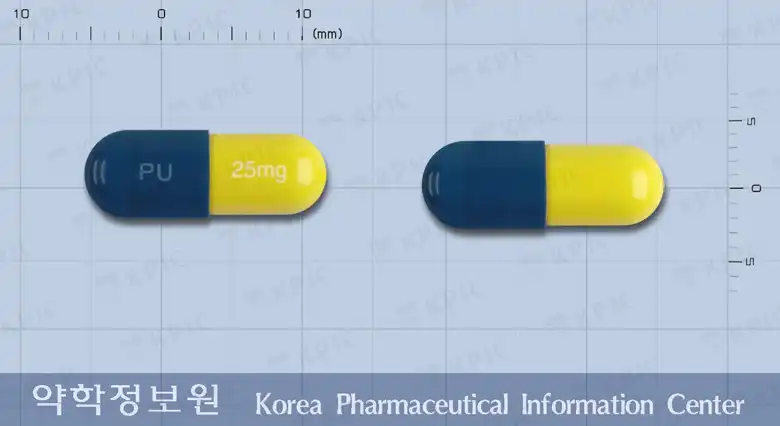
Indometacin 25mg
Hard capsule · Prescription medication
Korea PMG Co., Ltd.
Even with the same ingredient, the dose and directions can differ by strength and dosage form. Talk to a doctor or pharmacist before switching from a medication you are already taking.
No questions yet.
For anything that needs medical judgment, consult a doctor or pharmacist.
This drug information is based on data provided by the Korea Ministry of Food and Drug Safety.
Consult a doctor or pharmacist for accurate dosage, administration, and usage instructions.