
 한국어
 English
 日本語
 中文(简体)
Summary
- Main use
- Prevention and treatment of thrombosis and embolism; treatment of embolic atrial fibrillation; adjunctive treatment of coronary artery occlusion
- Who takes it
- Adults
- Adult dose
- There are individual differences according to PT/INR and specific genotypes of the CYP2C9 and VKORC1 genes (see 4. General Precautions under Precautions for Use), but the usual initial dose is 2~5 mg of warfarin sodium once daily, and the maintenance dose is 2~10 mg once daily. A lower dose is recommended for elderly or debilitated patients.
Ingredients
- Manufacturer
- Daehwa Pharmaceutical Co., Ltd.
Efficacy & effects
Prevention and treatment of thrombosis and embolism; treatment of embolic atrial fibrillation; adjunctive treatment of coronary artery occlusion
- Venous thrombosis
- embolic atrial fibrillation
- pulmonary embolism
- coronary artery occlusion
View approved original textHide original text
This medication is used for the prevention and treatment of venous thrombosis and pulmonary embolism. It also aids in the treatment of embolic atrial fibrillation and is used as an adjunct for coronary artery occlusion. This drug improves blood circulation to prevent thrombus formation and reduces the risk of cardiovascular diseases. Patients can effectively prevent and treat these diseases by taking this medication consistently. We actively support you to ensure a safe treatment.
How to take
Adult dose
There are individual differences according to PT/INR and specific genotypes of the CYP2C9 and VKORC1 genes (see 4. General Precautions under Precautions for Use), but the usual initial dose is 2~5 mg of warfarin sodium once daily, and the maintenance dose is 2~10 mg once daily. A lower dose is recommended for elderly or debilitated patients.
Precautions
This medication is a blood thinner used to prevent thrombus formation. However, individuals who are allergic to this drug, have bleeding disorders, or conditions that predispose them to bleeding should not take it. Patients with very poor liver or kidney function, severe hypertension, those who have recently undergone major surgery, people with vitamin K deficiency, and pregnant women should also avoid this medication. Furthermore, patients with alcohol addiction or mental disorders, and those who have undergone a spinal tap or anesthesia should avoid this drug. When taking this medication, patients with high bleeding risks, elderly individuals, frail persons, and those with a history of gastrointestinal ulcers should exercise special caution. Frequent blood tests to monitor coagulation status are necessary, and medication dosage should be adjusted according to individual age, gender, and genetic characteristics. This drug is potent and has a long duration of action, which may pose a bleeding risk; if bleeding symptoms appear, you should immediately discontinue the medication and consult your doctor. Be cautious of foods high in vitamin K, alcohol consumption, and concomitant use of certain medications, as they can alter the effects of the drug. It is advisable to avoid activities that may result in injury during exercise or other physical activities. This medication may have rare side effects, such as skin necrosis; any abnormalities on the skin should be reported immediately. Women who are pregnant or may become pregnant should not take this medication, and breastfeeding women should also be cautious as it may affect the baby. The safety and efficacy of this medication have not been sufficiently established in children; therefore, its use is not recommended.
Side effects
- Hemorrhage
- gastrointestinal bleeding
- urethral bleeding
- submucosal bleeding
- wall bleeding
- paralytic ileus
- visceral disorder
- excessive uterine bleeding
- hemorrhagic necrosis
- adrenal hemorrhage
Show 50 moreCollapse
- paralysis
- sensory disturbance
- headache
- chest pain
- abdominal pain
- arthralgia
- myalgia
- dizziness
- shortness of breath
- respiratory difficulty
- dysphagia
- swelling
- weakness
- hypotension
- shock
- leukopenia
- hypersensitivity reaction
- pain
- edema
- asthenia
- fever
- fatigue
- drowsiness
- malaise
- cold intolerance syndrome
- nausea
- diarrhea
- vomiting
- abdominal pain
- abdominal distension
- elevated liver enzymes
- hepatitis
- jaundice
- cholestatic liver damage
- skin necrosis
- calciphylaxis
- alopecia
- rash
- pruritus
- urticaria
- dermatitis
- cholesterol microembolism
- purple toe syndrome
- vasculitis
- taste distortion
- anticoagulant-related nephropathy
- bronchial calcification
- priapism
- hematuria
- microscopic hematuria
Not everyone experiences these, and they can vary from person to person.
Storage
This medication may be sensitive to light, so it should be stored in a closed container that blocks light. Additionally, it is best to store it at room temperature between 1 and 30 degrees Celsius. This storage method will help maintain the drug's efficacy and safety.
Appearance and packaging
Appearance
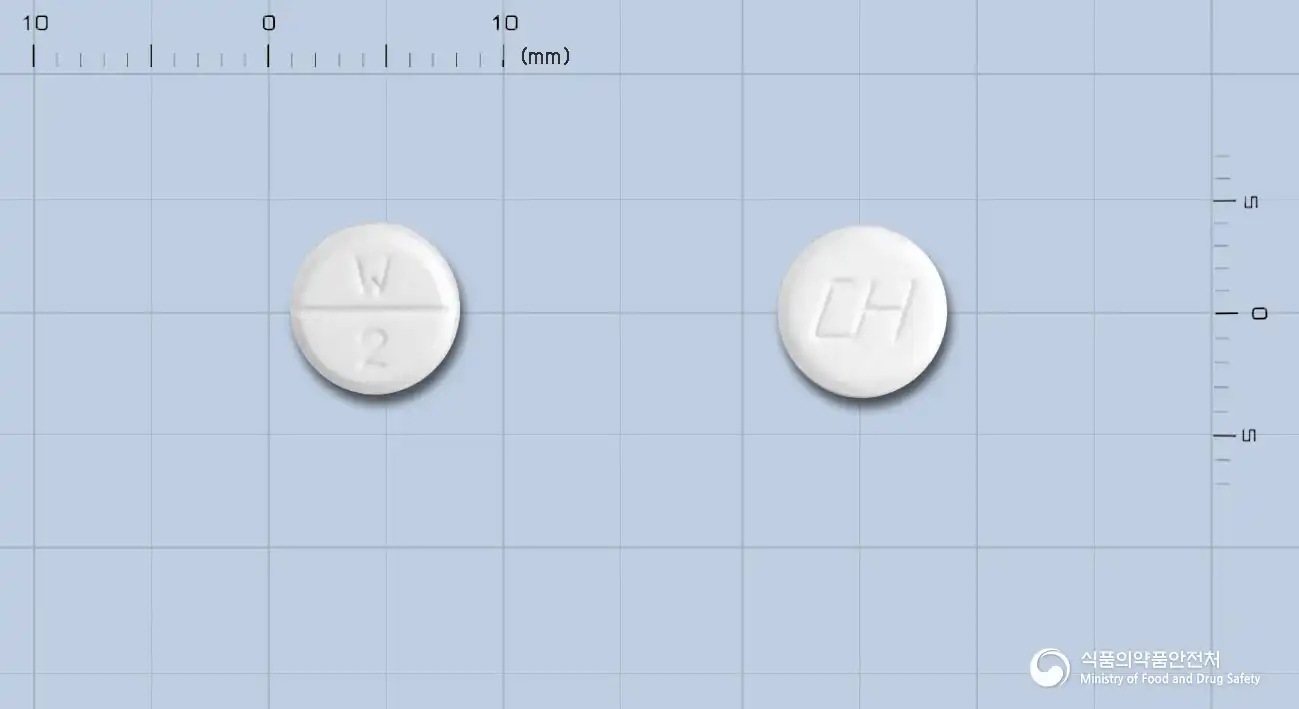
White round tablets
Package unit
For domestic use - 30 tablets/bottle, For domestic use - 300 tablets/bottle, For export - 100 tablets/box [(10 tablets/blister x 10)]
Questions about this medicine
No questions yet.
For anything that needs medical judgment, consult a doctor or pharmacist.