
 한국어
 English
 日本語
 中文(简体)
Dosage form image
Viewing nowMedinol Injection (Pridinol Mesylate)
Pridinol Mesylate 2mg
Prescription medication
Daewon Pharmaceutical Co., Ltd.
MFDS item code 198600886 · Notified 1986.03.25
This product's status changed to Expired on 2025.10.01. It may no longer be sold, so consult a doctor or pharmacist before taking it.
Relief of painful muscle spasms associated with musculoskeletal disorders (low back pain, neck-shoulder-arm syndrome, etc.)
This medication is used to alleviate pain and muscle spasms associated with musculoskeletal disorders. It is particularly effective for conditions such as pain in the lumbar region, syndromes occurring in the cervical, shoulder, and wrist regions, adhesive capsulitis, and degenerative spondylosis. It helps improve these symptoms and reduce discomfort in daily life. Therefore, this medication is used for the treatment of musculoskeletal-related pain.
Adults: Administer 2㎎ of pridinol mesylate once daily by intramuscular or intravenous injection. The dose may be adjusted according to age and symptoms.
When opening the injection container, be careful to avoid glass particles entering, as this may occur, so the container should be cut carefully. Particularly caution is needed when using it for children or the elderly. This medication should not be used in certain patients. For example, those who are allergic to this medication, patients with glaucoma, individuals with urinary difficulties due to prostate enlargement, persons with severe heart disease, intestinal obstruction, colonic dilatation, acute pulmonary edema, rapid heart rate, severe atherosclerosis, and patients with narrowed gastrointestinal tracts should not receive this medication. Patients with liver or kidney dysfunction should use this medication with increased caution. Using this medication can cause allergic reactions manifesting as skin rashes or hives; in severe cases, symptoms similar to shock may occur, thus the medication should be discontinued immediately if such symptoms appear. Additionally, neurological symptoms such as dizziness, drowsiness, hallucinations, and lethargy may occur, and in these situations, the dosage should be reduced or discontinued. Muscle relaxation or weakness may rarely occur, and dry mouth, nausea, and vomiting can also arise. Skin rashes or erythema, disturbances in visual accommodation, or exacerbation of glaucoma may also appear. Drowsiness or decreased concentration may occur while taking this medication, so dangerous activities such as driving or operating machinery should be avoided. This medication may have an enhanced effect when used with other central nervous system depressants or certain medications, so consultation with a physician is essential, and dosage adjustments must be made as necessary. Women who are pregnant or may become pregnant may find the use of this medication unsafe, thus it should only be used when the benefits outweigh the risks and breastfeeding women should avoid its use as it can be transmitted through breast milk. Safety for children has not been sufficiently established, so it should only be used when absolutely necessary. The elderly may have decreased physical function, hence caution should be exercised including reducing the dose of this medication. This medication is used in injection form only when oral administration is not possible and it is preferable to slowly inject after diluting with saline or dextrose solution during intravenous administration. The injection should be administered with the patient lying on their side.
Not everyone experiences these, and they can vary from person to person.
This medication should be stored in a tightly closed container that can block light and in a dry and cool place.
A brown ampoule containing a colorless and transparent liquid.
Domestic use: 1mL/ampoule X 50, Export: 1mL/ampoule X 50
Even with the same ingredient, strength, dosage form and how it is taken can differ.
Pridinol Mesylate 2mg
Prescription medication
Daewon Pharmaceutical Co., Ltd.
Pridinol Mesylate 2mg
Injections · Prescription medication
Ilsung IS Co., Ltd.
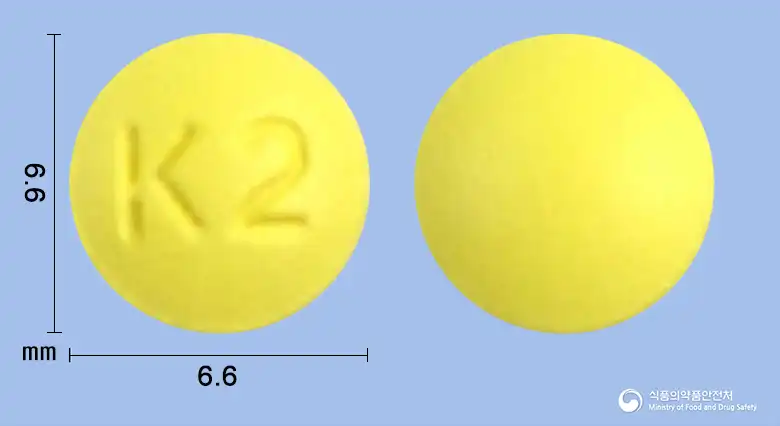
Pridinol Mesylate 2mg
Tablet · Prescription medication
Il Sung I.S. Co., Ltd.
Pridinol Mesylate 2mg
Prescription medication
Dongkwang Pharmaceutical Co., Ltd.
Pridinol Mesylate 2mg
Solution · Prescription medication
Hanol Bio Pharma Co., Ltd.
Pridinol Mesylate 2mg
Prescription medication
Hana Pharmaceutical Co., Ltd.
Pridinol Mesylate 2mg
Injections · Prescription medication
Genewon Science Co., Ltd.
Even with the same ingredient, the dose and directions can differ by strength and dosage form. Talk to a doctor or pharmacist before switching from a medication you are already taking.
No questions yet.
For anything that needs medical judgment, consult a doctor or pharmacist.
This drug information is based on data provided by the Korea Ministry of Food and Drug Safety.
Consult a doctor or pharmacist for accurate dosage, administration, and usage instructions.