
 한국어
 English
 日本語
 中文(简体)
Summary
- Main use
- Relief of symptoms of an overactive bladder (frequent urination, urinary urgency, etc.)
- Who takes it
- Adults · Children
- Adult dose
- Adults: Administer 5㎎ per dose as oxybutynin hydrochloride, 2-3 times daily, orally. Do not exceed 20㎎ per day. Adjust the dose as appropriate according to age and symptoms.
- Child dose
- Children 5 years of age and older: Administer 2.5-5㎎ per dose twice daily after meals. Do not exceed 15㎎ per day.
Ingredients
- Manufacturer
- Dongwha Pharmaceutical Co., Ltd.
Efficacy & effects
Relief of symptoms of an overactive bladder (frequent urination, urinary urgency, etc.)
- Non-neurogenic reflex bladder
- unstable bladder state
- increased urination
- urgency
- incontinence
View approved original textHide original text
Used to improve symptoms of increased urination, urgency, and incontinence caused by an unstable bladder state due to non-neurogenic reflex bladder.
How to take
Adult dose
Adults: Administer 5㎎ per dose as oxybutynin hydrochloride, 2-3 times daily, orally. Do not exceed 20㎎ per day. Adjust the dose as appropriate according to age and symptoms.
Child dose
Children 5 years of age and older: Administer 2.5-5㎎ per dose twice daily after meals. Do not exceed 15㎎ per day.
Precautions
This medication has an anticholinergic effect that impacts the central nervous system, so the patient's neurological symptoms should be closely monitored when initiating treatment or increasing the dosage. It is crucial to avoid using this medication in patients with specific conditions. For example, patients with urinary retention or difficulty urinating, glaucoma, intestinal obstruction, severe heart disease, or certain genetic disorders may have exacerbated symptoms if they take this medication and should avoid it. Additionally, patients with benign prostatic hyperplasia, hyperthyroidism, congestive heart failure, liver or kidney disease, or hypertension should exercise greater caution when using this medication, as there may be difficulties in body temperature regulation in hot environments. While taking this medication, symptoms such as dizziness, headache, drowsiness, dry mouth, digestive upset, urination issues, and blurred vision may occur; severe symptoms should warrant consultation with healthcare professionals. Elderly patients may experience slower elimination of the medication from the body, so starting with a low dose and careful monitoring is advised, and it is recommended that pregnant or breastfeeding women avoid taking this medication. This medication may cause drowsiness or visual disturbances, so caution should be exercised when driving or operating machinery, and alcohol may exacerbate drowsiness when taken together. Concomitant use with other medications may intensify the effect of this medication or affect drug absorption, so it is critical to inform healthcare providers of any other drugs being taken. In case of overdose, serious central nervous system disturbances, cardiac issues, and respiratory difficulties may occur, necessitating immediate medical treatment and possible use of gastric lavage and specific antidotes.
Side effects
- Dizziness
- headache
- numbness in hands and feet
- drowsiness
- agitation
- loss of direction
- hallucination
- nightmares
- convulsions
- dry mouth
Show 39 moreCollapse
- diarrhea
- constipation
- gastrointestinal disturbances
- discomfort in the upper abdomen
- nausea
- vomiting
- stomatitis
- abdominal bloating
- loss of appetite
- heartburn
- abdominal pain
- gastroesophageal reflux disease
- rash
- hives
- vascular swelling
- photosensitivity
- urinary difficulties
- urinary retention
- feeling of incomplete bladder emptying
- elevated ALT
- elevated AST
- thrombocytopenia
- palpitations
- cardiac arrhythmia
- blurred vision
- mydriasis
- increased intraocular pressure
- angle-closure glaucoma
- dry eyes
- conjunctival hyperemia
- edema
- fatigue
- high fever
- feeling of warmth
- sweating suppression
- pharyngodynia
- dry skin
- hoarseness
- facial flushing
Not everyone experiences these, and they can vary from person to person.
Storage
This medication is sensitive to light and should be stored in a container that blocks light, maintaining a storage temperature that is not excessively cold or hot, at room temperature. Such storage will help maintain the effectiveness of the medication and prevent degradation.
Appearance and packaging
Appearance
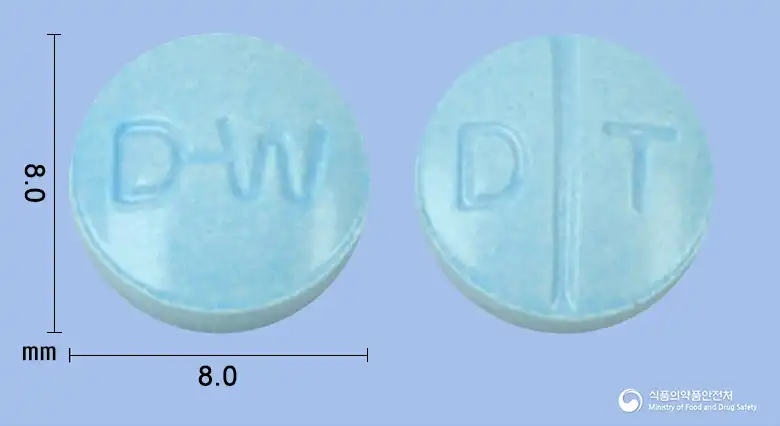
Round tablet in light blue color.
Package unit
30 tablets/bottle, 100 tablets/bottle
Questions about this medicine
No questions yet.
For anything that needs medical judgment, consult a doctor or pharmacist.