
 한국어
 English
 日本語
 中文(简体)
Dosage form image
Viewing nowPraminal Injection (Pridinol Mesylate)
Pridinol Mesylate 2mg
Prescription medication
Dongkwang Pharmaceutical Co., Ltd.
MFDS item code 198600086 · Notified 1986.10.21 · Insurance code 645903291
This product's status changed to Expired on 2025.10.01. It may no longer be sold, so consult a doctor or pharmacist before taking it.
Relief of painful muscle spasms associated with musculoskeletal disorders (e.g., low back pain and neck-shoulder-arm syndrome)
This medication is used for painful spasms associated with musculoskeletal diseases, lumbar pain, shoulder pain syndrome, pericapsulitis of the shoulder, degenerative spine disease, and others. These symptoms help relieve pain and tension in muscles and joints, reducing discomfort in daily life. Patients can improve muscle rigidity and pain through this medication. Regular use is effective in alleviating symptoms and supporting recovery. This medication contributes to reducing discomfort related to musculoskeletal pain.
Adults: Administer 2㎎ of pridinol mesylate once daily by intramuscular or intravenous injection. Adjust the dose as appropriate according to age and symptoms.
This medication is an injectable ampoule, and care should be taken as glass fragments may mix in when opening the vial. Special care is needed when using it for children or elderly individuals. This medication should not be used by certain patients. For example, it should not be administered to individuals who are allergic to this drug, glaucoma patients, patients with difficulty urinating due to prostate hypertrophy, patients with severe heart disease, patients with intestinal obstruction or megacolon, patients with acute pulmonary edema, patients with tachycardia, patients with severe atherosclerosis, and patients with narrowed gastrointestinal passages. Patients with weakened liver or kidney function should be more cautious when using this medication. This drug may cause allergic reactions such as skin rashes or hives, and in severe cases, anaphylaxis may occur; if such symptoms appear, usage should be stopped immediately. Additionally, symptoms of neuropsychiatric disorders such as dizziness, drowsiness, anxiety, and hallucinations may occur, and symptoms such as muscle relaxation or weakness may rarely occur. Gastrointestinal symptoms such as dry mouth, nausea, and vomiting may occur, as well as skin rashes, decreased sweating, and vision adjustment problems in the eyes. During the course of taking this medication, drowsiness or decreased concentration may occur, so driving vehicles or operating hazardous machinery should be avoided. There may be interactions when used with other medications, particularly caution is needed when used in conjunction with central nervous system depressants or certain antidepressants and dopamine antagonists. Pregnant women or women who may become pregnant should carefully consider the benefits and risks before using this medication, and it is advisable for nursing mothers not to use this medication as it may be excreted in breast milk. For children and the elderly, the safety of this drug has not been adequately confirmed or physical function may be impaired, so dosage should be adjusted or used with caution. This medication is used as an injection only when oral administration is impossible, and when given intravenously, it should be mixed with saline or dextrose injection and administered slowly, with the patient lying on their side during the injection.
Not everyone experiences these, and they can vary from person to person.
This medication may be sensitive to light, so it should be stored in a light-protected container. Additionally, avoid storing the medication in excessively hot or cold conditions; it is best stored at normal room temperature.
Transparent brown ampoule filled with a colorless liquid
50 ampoules/box [(1 mL/ampoule)]
Even with the same ingredient, strength, dosage form and how it is taken can differ.
Pridinol Mesylate 2mg
Prescription medication
Dongkwang Pharmaceutical Co., Ltd.
Pridinol Mesylate 2mg
Injections · Prescription medication
Ilsung IS Co., Ltd.
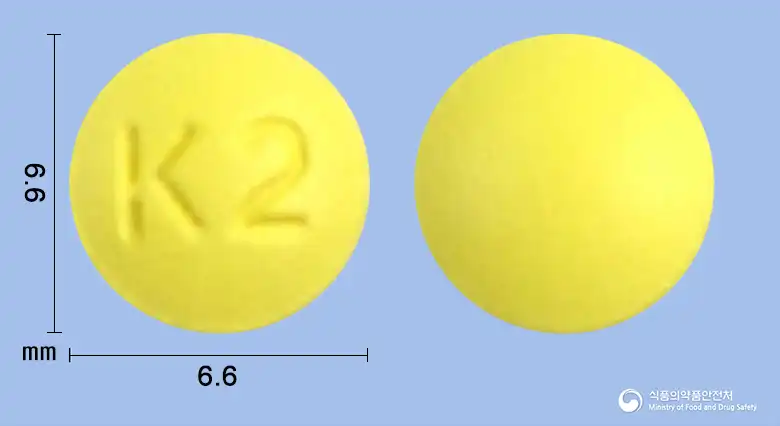
Pridinol Mesylate 2mg
Tablet · Prescription medication
Il Sung I.S. Co., Ltd.
Pridinol Mesylate 2mg
Prescription medication
Daewon Pharmaceutical Co., Ltd.
Pridinol Mesylate 2mg
Solution · Prescription medication
Hanol Bio Pharma Co., Ltd.
Pridinol Mesylate 2mg
Prescription medication
Hana Pharmaceutical Co., Ltd.
Pridinol Mesylate 2mg
Injections · Prescription medication
Genewon Science Co., Ltd.
Even with the same ingredient, the dose and directions can differ by strength and dosage form. Talk to a doctor or pharmacist before switching from a medication you are already taking.
No questions yet.
For anything that needs medical judgment, consult a doctor or pharmacist.
This drug information is based on data provided by the Korea Ministry of Food and Drug Safety.
Consult a doctor or pharmacist for accurate dosage, administration, and usage instructions.