
 한국어
 English
 日本語
 中文(简体)
 Viewing now
Sliban Tablet 1 mg (Lorazepam)
Lorazepam 1mg
Tablet · Prescription medication
Myungin Pharmaceutical Co., Ltd.
MFDS item code 198501816 · Approved 1985.11.20 · Insurance code 651901320
Treatment of neurosis and psychosomatic disorders (e.g., anxiety and tension); preanesthetic medication
This medication is used to relieve anxiety, tension, and depressive symptoms caused by neurosis or psychosomatic disorders. It may also be administered to regulate anxiety or tension before anesthesia. It is not necessary for mild anxiety due to everyday stress and should only be used when symptoms are severe or significantly impact the patient's daily life. This helps improve the patient's mental tension state.
Adults: Administer 1 ∼ 4 mg of lorazepam per day orally in 2 ∼ 3 divided doses. For neurosis and psychosomatic disorders, up to 10 mg per day may be administered. Adjust the dose appropriately according to symptoms.
This medication can cause severe drowsiness, respiratory distress, coma, or even death if taken with narcotics, so it must be used with great caution. Because there is a risk of abuse or overdose, the precise dosage must be followed as directed by a doctor, and the patient's condition should be regularly monitored. Patients with severe muscle weakness, significant respiratory problems, or certain glaucoma conditions should not take this medication, as it may worsen their symptoms. Children under 12 years of age, women who are pregnant or may become pregnant, and certain genetically lactose-intolerant patients should also avoid taking this medication. Patients with compromised heart, liver, or kidney function, the elderly, patients with depression, and those with alcohol dependence should be especially cautious when taking this medication and closely monitor for side effects. This medication can cause drowsiness and decreased concentration, so one should avoid driving or operating hazardous machinery. Taking it with other central nervous system depressants, narcotic analgesics, or alcohol can exacerbate side effects, so consultation with a doctor or pharmacist is essential. Long-term use requires regular testing such as liver function tests, and abrupt discontinuation can lead to withdrawal symptoms, so the dosage should be gradually reduced. It is safest for women who are pregnant or breastfeeding to avoid taking this medication, and if necessary, it should be taken only after consulting with a specialist. It is a principle that children should not take this medication since safety and efficacy have not been established. In case of overdose, one should immediately visit a medical institution for appropriate treatment, and this medication should be kept out of reach of children. This medication should not be transferred to other containers, and when used as an injection, it should not be administered in any manner other than as prescribed.
Psychological and physical drug dependence, seizure attacks, hallucinations, tremors, insomnia, anxiety, hallucinations, delusions, anxiety, agitation, depression, irritability, confusion, hallucinations, psychosis, behavioral disorders, drowsiness, dizziness, staggering, orthostatic dysregulation, heaviness of the head, headache, feeling of head pressure, tinnitus, insomnia, palpitations, gait disturbance, nystagmus, blurred vision, liver dysfunction, nausea, vomiting, diarrhea, constipation, loss of appetite, thirst, discomfort in the stomach, abdominal distension, epigastric pain, heartburn, respiratory depression, hypotension, edema, angioedema, dyspnea, rash, itching, fatigue, weakness, tongue twisting, changes in libido, urinary incontinence, delirium, confusion, amnesia, aggressive reactions, abnormal experiences, hyperkinesia, speech disorders, movement disorders, sensory deficits
Not everyone experiences these, and they can vary from person to person.
This medication must be stored in a tightly closed container to prevent air or moisture from entering, which helps maintain the drug's effectiveness for a longer duration.
Yellow round tablet
500 tablets/bottle
Even with the same ingredient, strength, dosage form and how it is taken can differ.
Viewing nowLorazepam 1mg
Tablet · Prescription medication
Myungin Pharmaceutical Co., Ltd.

Lorazepam 0.5mg
Tablet · Prescription medication
Il Dong Pharmaceutical Co., Ltd.
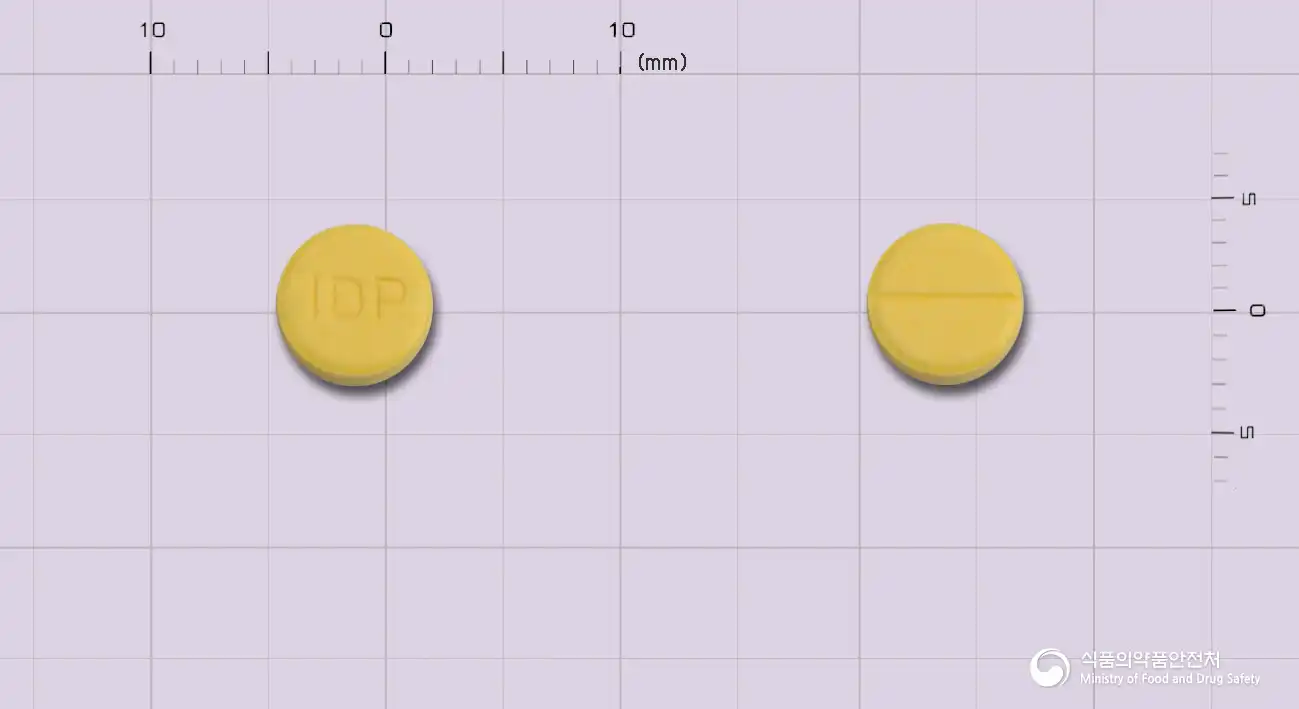
Lorazepam 1mg
Tablet · Prescription medication
IlDong Pharmaceutical Co., Ltd.
Lorazepam 4mg
Injections · Prescription medication
Ildong Pharmaceutical Co., Ltd.

Lorazepam 1mg
Tablet · Prescription medication
Hanin Pharmaceutical Co., Ltd.

Lorazepam 0.5mg
Tablet · Prescription medication
Hanin Pharmaceutical Co., Ltd.

Lorazepam 0.5mg
Tablet · Prescription medication
Myungin Pharmaceutical Co., Ltd.
Even with the same ingredient, the dose and directions can differ by strength and dosage form. Talk to a doctor or pharmacist before switching from a medication you are already taking.
No questions yet.
For anything that needs medical judgment, consult a doctor or pharmacist.
This drug information is based on data provided by the Korea Ministry of Food and Drug Safety.
Consult a doctor or pharmacist for accurate dosage, administration, and usage instructions.