
 한국어
 English
 日本語
 中文(简体)
 Viewing now
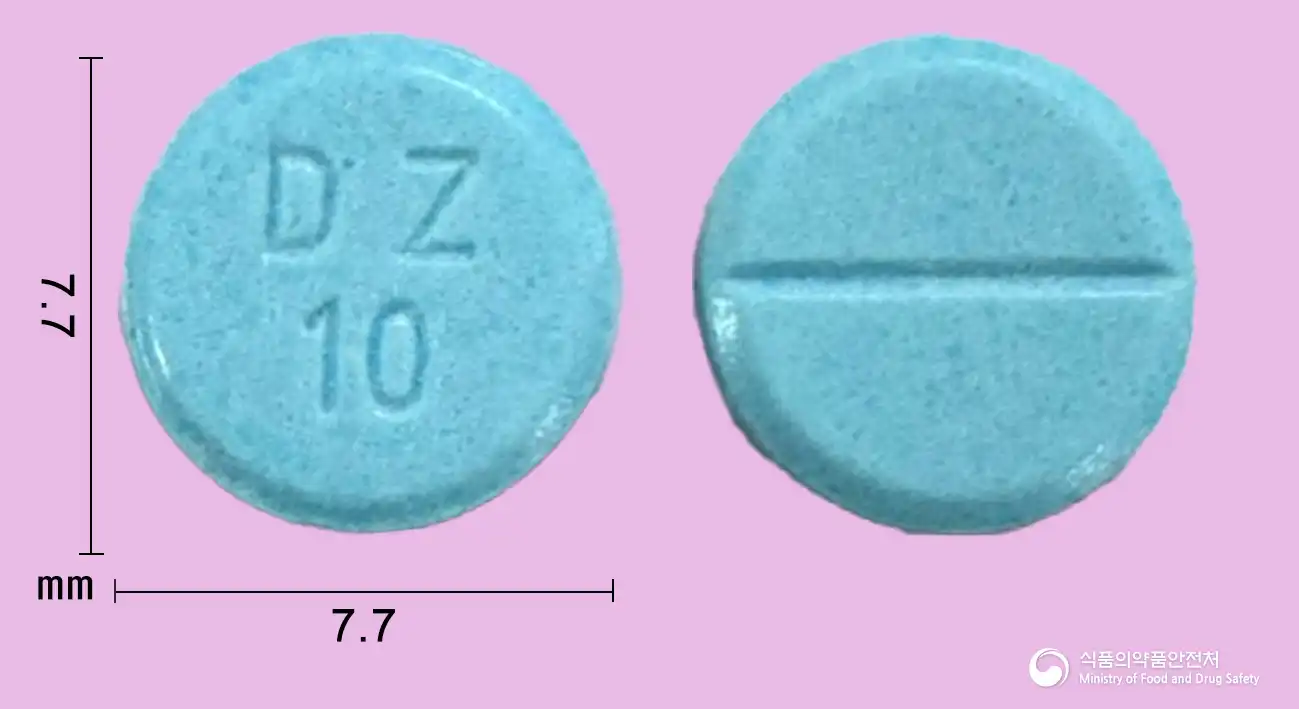
Myeongin Diazepam Tablet 10 mg
Diazepam 10mg
Tablet · Prescription medication
Myeongin Pharmaceutical Co., Ltd.
MFDS item code 198501813 · Approved 1985.09.10 · Insurance code 651900520
Relief of anxiety and tension, preanesthetic medication and alcohol withdrawal, adjunctive treatment of muscle spasms and absence seizures
This medication is used to alleviate anxiety and tension seen in neurosis, and to improve symptoms of anxiety, tension, and depression in psychosomatic disorders such as gastrointestinal or circulatory diseases and autonomic dysfunction. It also helps to stabilize patients before anesthesia and is effective in relieving alcohol withdrawal symptoms. Additionally, it is utilized as an adjunct for the treatment of epilepsy, such as skeletal muscle spasms or absence seizures. Overall, this medication is useful for improving various neurological and psychiatric symptoms.
○ Adults 1. As diazepam, administer 2-10㎎ per dose orally 2-4 times daily; for skeletal muscle spasms, administer 3-4 times daily. 2. Premedication: Administer 5-10㎎ of this drug orally once daily at bedtime or before surgery. 3. Alcohol withdrawal symptoms: Administer an initial dose of 10㎎ 3-4 times, then reduce the dose to 5㎎ per dose and administer 3-4 times daily until needed. 4. Elderly and debilitated patients: Administer an initial dose of 2-2.5㎎ 1-2 times daily and gradually increase the dose if needed. The lowest possible dose should be administered to elderly patients. 5. Patients with hepatic impairment: This drug should not be administered to patients with severe hepatic impairment. The lowest possible dose should be administered to patients with mild or moderate hepatic impairment.
○ Children Start treatment at the lowest effective dose and increase as needed, but keep the duration of administration to a minimum. Administer an initial dose of 1-2.5㎎ of this drug 3-4 times daily. The dosage range is 0.1-0.3㎎ per ㎏ of body weight per day, given orally in 3-4 divided doses. Do not administer to infants 6 months of age or younger.
This medication can cause severe drowsiness, respiratory depression, and decreased heart function when taken with alcohol or other central nervous system depressants, which can be very dangerous. Especially when used with narcotic analgesics, it can lead to deep sedation, severe respiratory depression, coma, or even death, so co-administration should be avoided or used very cautiously. It should never be administered to patients with acute glaucoma, severe myasthenia gravis, severe respiratory failure, infants under 6 months, patients with alcohol or drug dependence, or those with severe liver dysfunction. In patients with heart disease, liver or kidney dysfunction, brain injury, elderly patients, or those with depression, careful administration should be exercised due to the high risk of side effects. Long-term use of this medication can lead to dependence, and abrupt discontinuation can result in withdrawal symptoms such as anxiety, insomnia, and seizures, so it must be gradually reduced according to the physician's guidance. If symptoms such as drowsiness, dizziness, blurred vision, memory impairments, anxiety, or hallucinations occur during use, consult a healthcare professional immediately. Avoid driving or operating hazardous machinery while taking this medication and refrain from alcohol consumption. Moreover, this drug interacts with many other medications, so if taking other drugs, it is crucial to inform the doctor or pharmacist, especially with antidepressants, narcotic analgesics, antifungal agents, antibiotics, and contraceptives. Women who are pregnant or may become pregnant should not take this medication and breastfeeding should be avoided if possible. In case of overdose, severe central nervous system depression, respiratory depression, and coma may occur, requiring immediate emergency treatment. Elderly or debilitated patients may experience a stronger effect from this medication; therefore, treatment should begin at a lower dose. To use this medication safely, strictly follow the physician's instructions and regularly undergo liver function and blood tests, and report any adverse symptoms immediately.
Not everyone experiences these, and they can vary from person to person.
This medication should be stored in a tightly sealed container to prevent air from entering. It is best kept at room temperature, ideally between 1 to 30 degrees Celsius.
Blue round tablets
1000 tablets/bottle
Even with the same ingredient, strength, dosage form and how it is taken can differ.
Viewing nowDiazepam 10mg
Tablet · Prescription medication
Myeongin Pharmaceutical Co., Ltd.
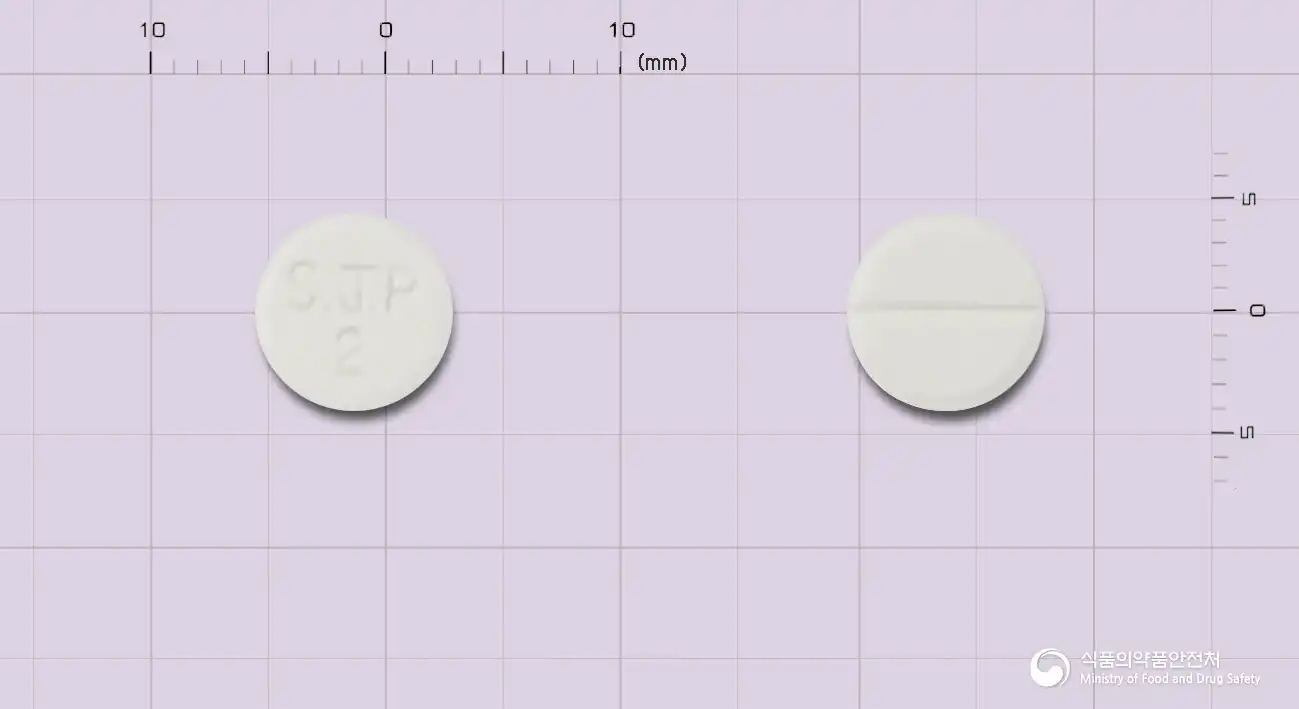
Diazepam 2mg
Tablet · Prescription medication
Samjin Pharmaceutical Co., Ltd.
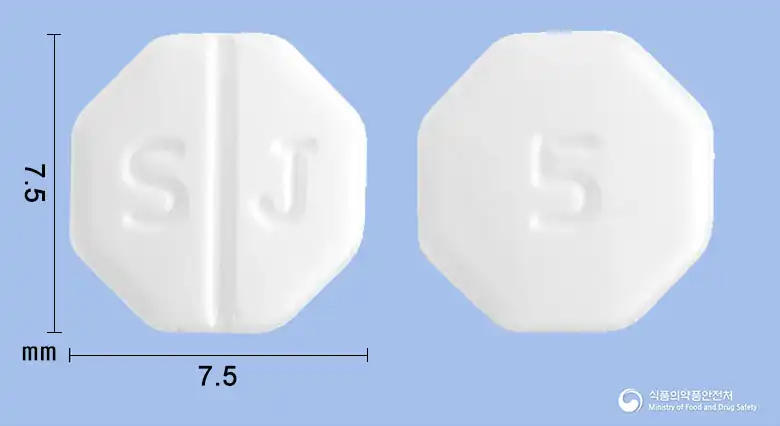
Diazepam 5mg
Tablet · Prescription medication
Samjin Pharmaceutical Co., Ltd.
Diazepam 5mg
Injections · Prescription medication
Dongwha Pharmaceutical Co., Ltd.
Diazepam 5mg
Injections · Prescription medication
Samjin Pharmaceutical Co., Ltd.
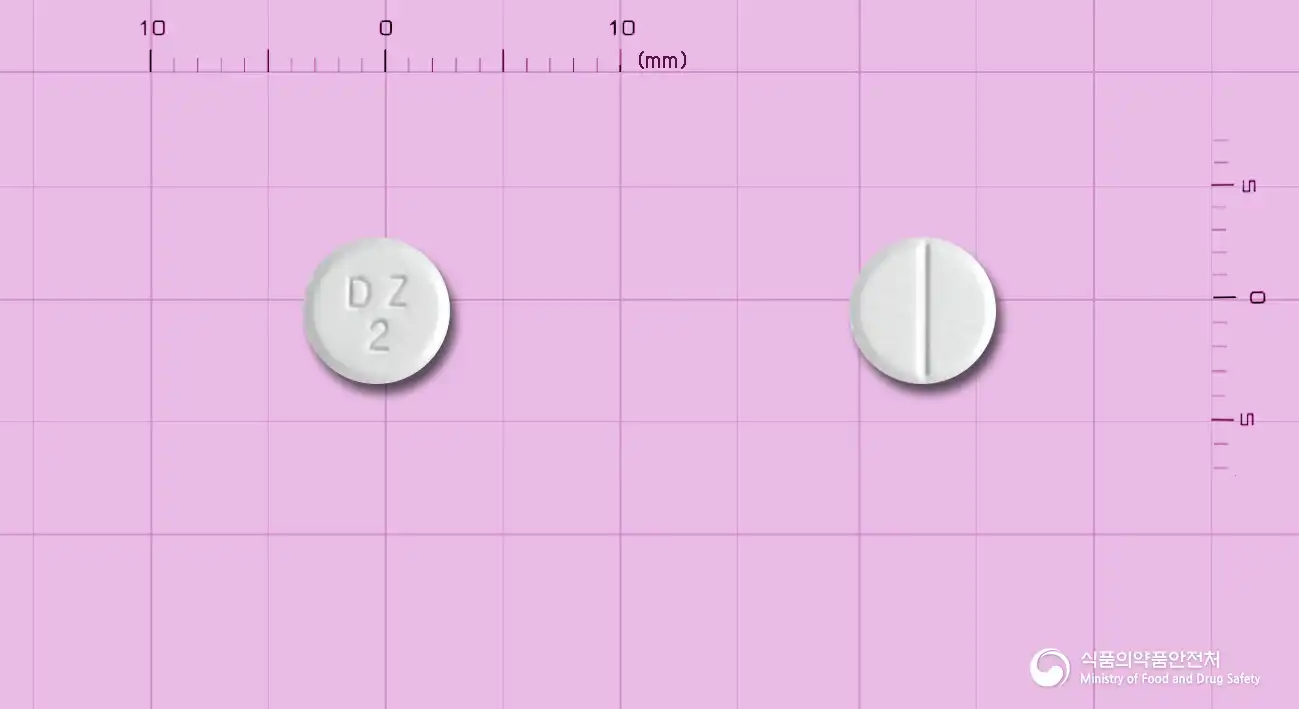
Diazepam 2mg
Tablet · Prescription medication
Myungin Pharmaceutical Co., Ltd.
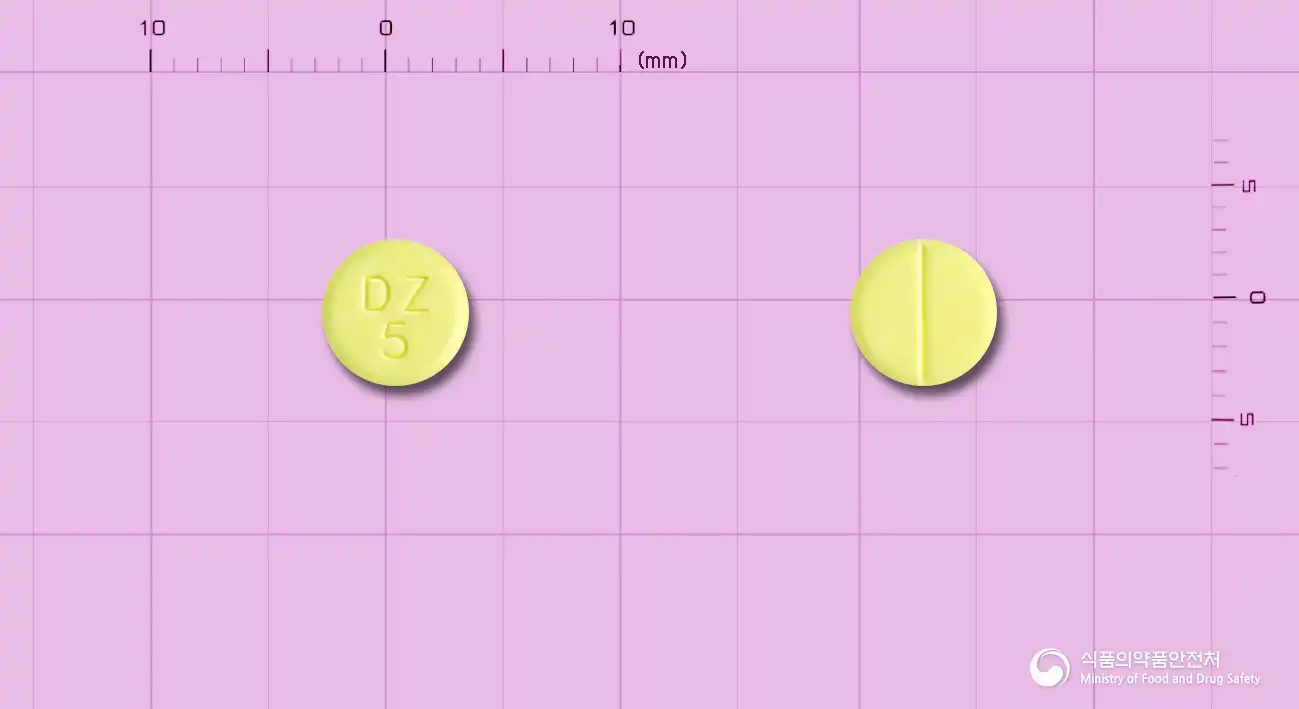
Diazepam 5mg
Tablet · Prescription medication
Myungin Pharmaceutical Co., Ltd.
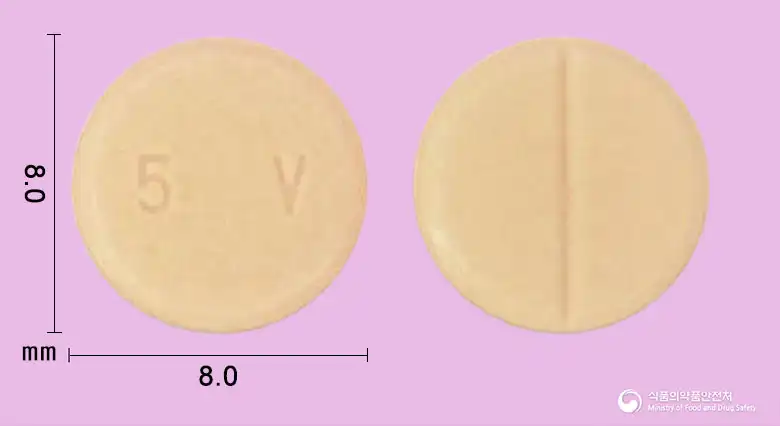
Diazepam 5mg
Tablet · Prescription medication
GP Therapeutics Korea Co., Ltd.
Even with the same ingredient, the dose and directions can differ by strength and dosage form. Talk to a doctor or pharmacist before switching from a medication you are already taking.
No questions yet.
For anything that needs medical judgment, consult a doctor or pharmacist.
This drug information is based on data provided by the Korea Ministry of Food and Drug Safety.
Consult a doctor or pharmacist for accurate dosage, administration, and usage instructions.