
 한국어
 English
 日本語
 中文(简体)
Summary
- Main use
- Treatment of edema (e.g., cardiac, hepatic, and renal edema) and hypertension
- Who takes it
- Adults
- Adult dose
- 1. Hypertension Administer 20 mg of xipamide orally once daily after breakfast. For mild cases, administer 10 mg. When administered in combination with other antihypertensive agents, the initial dose should not exceed 20 mg per day. 2. Edema Administer 40 mg of this medicine orally once daily after breakfast. Reduce the dose to 20 mg per day according to the patient's response. In severe cases, up to 60 ∼ 80 mg may be administered as a single dose temporarily.
Ingredients
- Manufacturer
- BuKwang Pharmaceutical Co., Ltd.
Efficacy & effects
Treatment of edema (e.g., cardiac, hepatic, and renal edema) and hypertension
- High blood pressure
- cardiac edema
- hepatic edema
- renal edema
- peripheral edema
View approved original textHide original text
This medication helps control high blood pressure. It is also used to improve peripheral edema caused by heart, liver, kidney problems or venous insufficiency.
How to take
Adult dose
1. Hypertension Administer 20 mg of xipamide orally once daily after breakfast. For mild cases, administer 10 mg. When administered in combination with other antihypertensive agents, the initial dose should not exceed 20 mg per day. 2. Edema Administer 40 mg of this medicine orally once daily after breakfast. Reduce the dose to 20 mg per day according to the patient's response. In severe cases, up to 60 ∼ 80 mg may be administered as a single dose temporarily.
Precautions
This medication should not be administered to patients with severe electrolyte imbalances. It should also not be used in patients with severely impaired liver function, especially those with hepatic coma. It is also not safe for patients with extremely poor kidney function, Addison's disease, or gout. Patients allergic to this medication or sulfonamide drugs should avoid taking it. Caution is advised when using this medication in patients with hyperuricemia or severe coronary arteriosclerosis or cerebral arteriosclerosis, as it may cause rapid diuresis, which increases the risk of blood concentration or thrombosis. Patients with prostatic enlargement may also experience urinary retention symptoms when taking this medication. The use of this medication may cause gastrointestinal symptoms such as vomiting, dry mouth, and occasionally abdominal pain, constipation, or diarrhea. Symptoms related to the mental and nervous system, such as headache, dizziness, fatigue, motor control disorders, drowsiness, and sometimes anxiety or fear, may also occur. Furthermore, hyperuricemia or gout may worsen, and there is a risk of worsening hyperlipidemia or diabetes. Care should be taken as sodium, magnesium, and chloride levels in the blood may decrease. There may be cardiovascular issues such as decreased heart function, orthostatic hypotension, and palpitations, and there is a risk of worsening kidney function or acute nephritis. Liver function abnormalities, jaundice, and rarely pancreatitis, cholecystitis, or cholelithiasis may also occur. Due to possible reductions in blood cell count or the occurrence of blood-related diseases, blood tests should be performed to monitor the condition. Skin rashes, itching, urticaria, and rare hypersensitivity to light may occur, along with muscle cramps or muscle tone abnormalities. If vision worsens, the patient should consult a physician immediately. Prolonged use may lead to low potassium levels, so potassium supplementation may be necessary. Especially elderly patients, those taking digitalis, patients experiencing vomiting or diarrhea, malnutrition, and patients with kidney and liver diseases need to be cautious. Hyponatremia may also occur and requires monitoring. Patients with diabetes or a tendency for gout should manage their blood sugar and uric acid levels closely, as this medication can exacerbate symptoms. There may be cross-reactivity with sulfonamide drugs, necessitating caution. This medication has many interactions with other drugs. It may reduce the effects of antidiabetic drugs and impair lithium excretion, increasing toxicity if taken together. When combined with some steroids, antibiotics, antihypertensives, cardiac glycosides, pain relievers, and others, side effects may increase or effectiveness may change. During pregnancy, reduced blood volume may affect the fetus, so it is advisable not to use it during the first three months of pregnancy. It is uncertain whether this medication is passed into breast milk, so if possible, it should be avoided or breastfeeding should be suspended. Finally, this medication is not recommended for children, as its safety and effectiveness in pediatric use have not been sufficiently established.
Side effects
- Vomiting
- dry mouth
- abdominal pain
- constipation
- diarrhea
- headache
- dizziness
- fatigue
- ataxia
- drowsiness
Show 35 moreCollapse
- anxiety
- fear
- hyperuricemia
- gout
- hyperlipidemia
- worsening diabetes
- hyponatremia
- hypomagnesemia
- hypochloremic alkalosis
- cardiac dysfunction
- orthostatic hypotension
- palpitations
- ECG changes
- elevated BUN
- elevated creatinine
- acute interstitial nephritis
- jaundice
- hemorrhagic pancreatitis
- acute cholecystitis
- cholelithiasis
- aplastic anemia
- leukopenia
- neutropenia
- agranulocytosis
- thrombocytopenia
- vasculitis
- thrombosis
- urinary retention
- rash
- skin itching
- urticaria
- photosensitivity reactions
- muscle cramps
- muscle tone
- vision deterioration
Not everyone experiences these, and they can vary from person to person.
Storage
This medication may be sensitive to air and moisture, so it should be stored in a tightly sealed container in a cool, dry place. Proper storage can help maintain the medication's effectiveness over time.
Appearance and packaging
Appearance
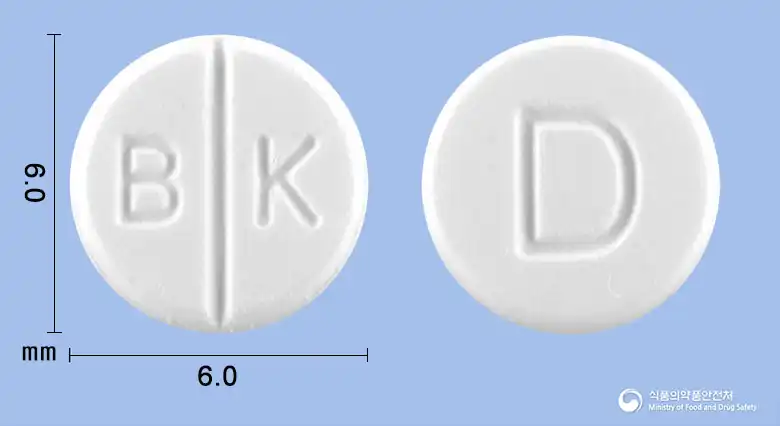
White round tablet
Package unit
30 tablets, 500 tablets/bottle
Questions about this medicine
No questions yet.
For anything that needs medical judgment, consult a doctor or pharmacist.