
 한국어
 English
 日本語
 中文(简体)
 Viewing now
Myeongin Lithium Carbonate Tablet 300mg
Lithium Carbonate 300mg
Tablet · Prescription medication
Myeongin Pharmaceutical Co., Ltd.
MFDS item code 198500638 · Notified 1985.04.17 · Insurance code 651900880
Treatment of mania and bipolar disorder and prevention of recurrence
This medication is used for the treatment and preventive maintenance therapy of mania and bipolar disorder. It helps patients maintain a stable mood and is effective in preventing relapse of symptoms. Regular use will greatly aid in alleviating symptoms.
Adults: 0.6-1.8g per day of lithium carbonate, administered orally in 3 divided doses. Dosage may be adjusted as appropriate according to age and symptoms.
This medication should be used in facilities capable of periodically testing blood lithium levels, as toxicity can occur with elevated blood levels. It may affect the heart, so patients suspected of having Brugada syndrome should administer it cautiously after consulting a cardiologist. It should not be administered to patients with organic brain disorders, cardiovascular diseases, kidney disorders, dehydration, fever, sweating, diarrhea, those under sodium intake restrictions, those taking certain diuretics and serotonin medications, pregnant women, and patients with Addison's disease. Patients with a history of heart disease or kidney disorders, older adults, liver disorders, and thyroid function abnormalities need careful review before administration. Caution is also needed for patients allergic to Yellow No. 4 (Tartrazine). Symptoms of lithium toxicity may include nausea, vomiting, diarrhea, muscle cramps, dizziness, and confusion; if these symptoms occur, discontinue use or adjust the dosage immediately. Adverse reactions may manifest in various body systems, including the central nervous system, musculoskeletal system, circulatory system, urinary system, liver, gastrointestinal tract, and skin, so medical consultation is necessary if any unusual symptoms arise. Dizziness or drowsiness may occur, so driving or operating dangerous machinery should be avoided while taking the medication. Serum lithium levels should be regularly monitored to adjust the dosage within a safe range, and special caution is required when used in conjunction with other CNS medications. Particularly, interaction with diuretics, anticonvulsants, antipsychotics, non-steroidal anti-inflammatory drugs, and serotonin-related medications should be noted. Women who are pregnant or capable of becoming pregnant should avoid taking this medication, and nursing mothers should also avoid it or stop breastfeeding. Safety in children has not been established, so it should only be used when necessary, and older adults may need to be cautious due to potential elevations in blood levels due to decreased kidney function. Store out of the reach of children, and avoid transferring the medication to other containers.
Nausea, vomiting, diarrhea, loss of appetite, dysphagia, tremor, muscle spasms, movement disorder, ataxia, lethargy, hypokinesia, drowsiness, dizziness, fever, sweating, speech disorder, confusion, headache, tinnitus, blurred vision, abnormal eye movements, nystagmus, hypertonia, hypotonia, hyporeflexia, agitation, delirium, altered consciousness, memory impairment, incontinence, convulsive seizures, abnormal EEG, arrhythmia, hypotension, abnormal ECG, leukocytosis, urinary retention, oliguria, dehydration, coma, confusion, abnormal EEG, dizziness, fever, headache, sensory disturbances, drowsiness, insomnia, speech disorder, forgetfulness, memory impairment, anxiety, urinary incontinence, scotoma, chills, tinnitus, somnolence, dysuria, convulsive seizures, hypokinesia, mood instability, confusion, coma, tremor, hypertonia, hypotonia, hyporeflexia, ataxia, muscle spasms, chorea-like athetosis, abnormal ECG, hypotension, tachycardia, arrhythmia, peripheral vascular disorder, Brugada syndrome, polyuria, dysuria, oliguria, frequent urination, proteinuria, diabetes, renal dysfunction, hepatic dysfunction, nausea, vomiting, polydipsia, loss of appetite, abdominal pain, gastrointestinal disorder, diarrhea, constipation, hypersalivation, leukocytosis, rash, pruritus, folliculitis, leg ulcers, hypesthesia, dryness and tapering of hair, drug reaction with eosinophilia and systemic symptoms (DRESS), decreased T3, decreased T4, decreased PBI, increased thyroid 131I uptake, increased TSH secretion response after TRH load, non-toxic goiter, myxedema, hyperthyroidism, primary hyperparathyroidism, parathyroid adenoma, hypercalcemia, blurred vision, baseline wave confusion, increased delta wave, reversible dulness, T wave inversion, weakness, fatigue, weight gain, weight loss, edema, scotoma, decreased libido, elevated blood glucose, dehydration
Not everyone experiences these, and they can vary from person to person.
This medication should be stored in a sealed container that does not allow air to enter, ideally at a temperature between 1 to 30 degrees Celsius. Storing it this way will help maintain its effectiveness for a longer time.
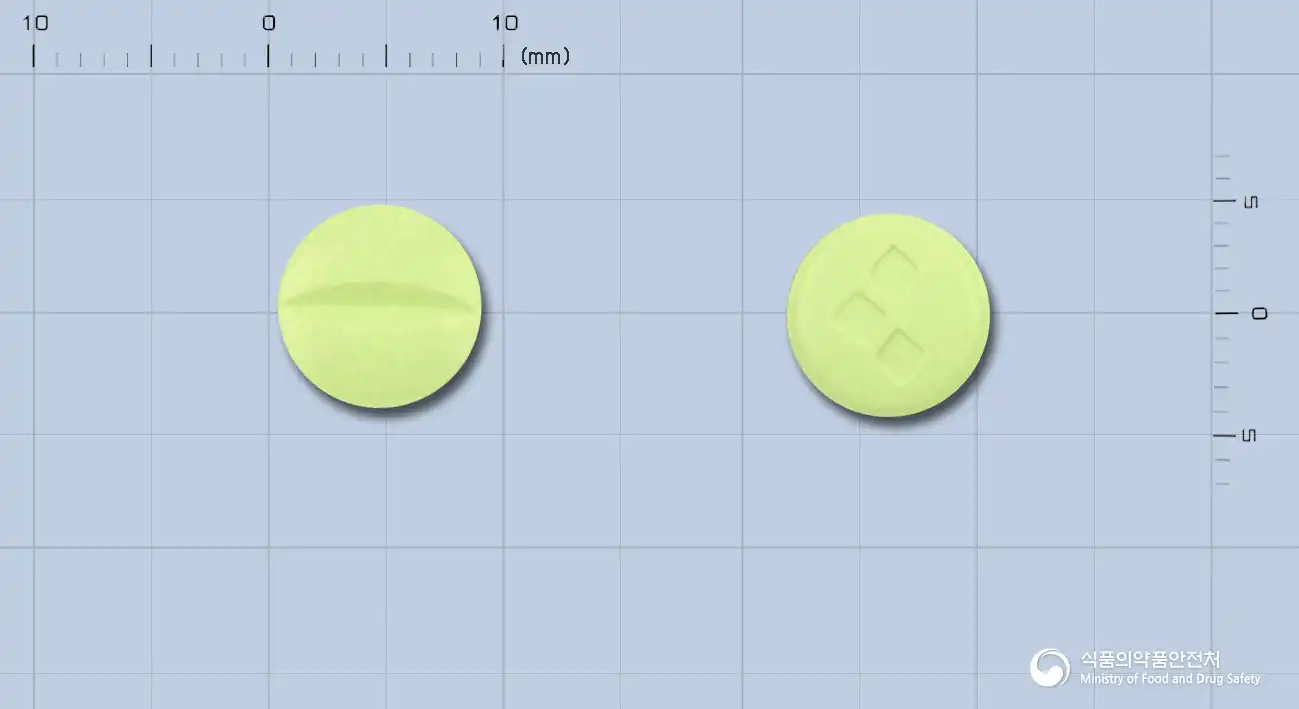
Light green round tablet
500 tablets/bottle
Even with the same ingredient, strength, dosage form and how it is taken can differ.
Viewing nowLithium Carbonate 300mg
Tablet · Prescription medication
Myeongin Pharmaceutical Co., Ltd.
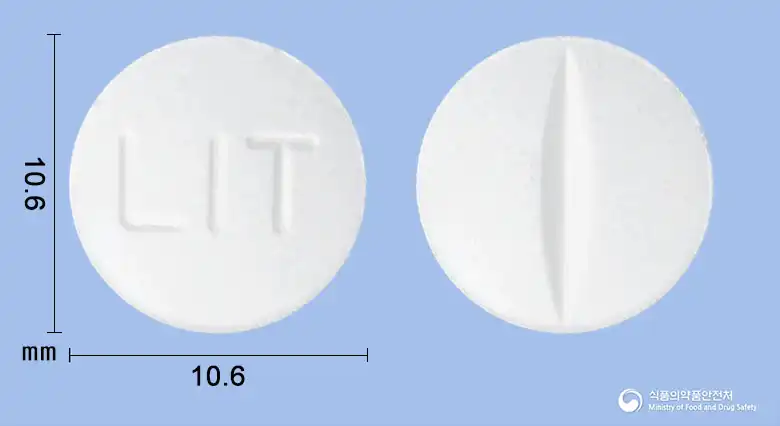
Lithium Carbonate 300mg
Tablet · Prescription medication
Bukwang Pharm Co., Ltd.
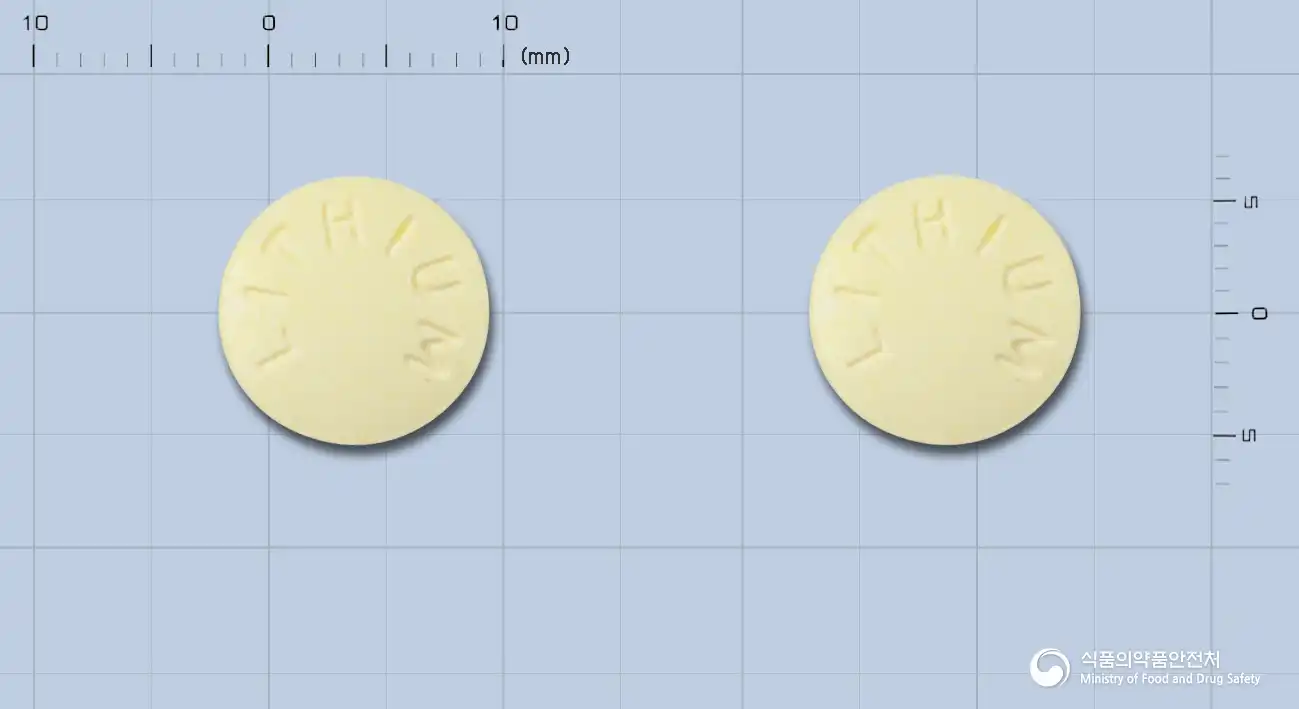
Lithium Carbonate 300mg
Tablet · Prescription medication
Hwanin Pharmaceutical Co., Ltd.
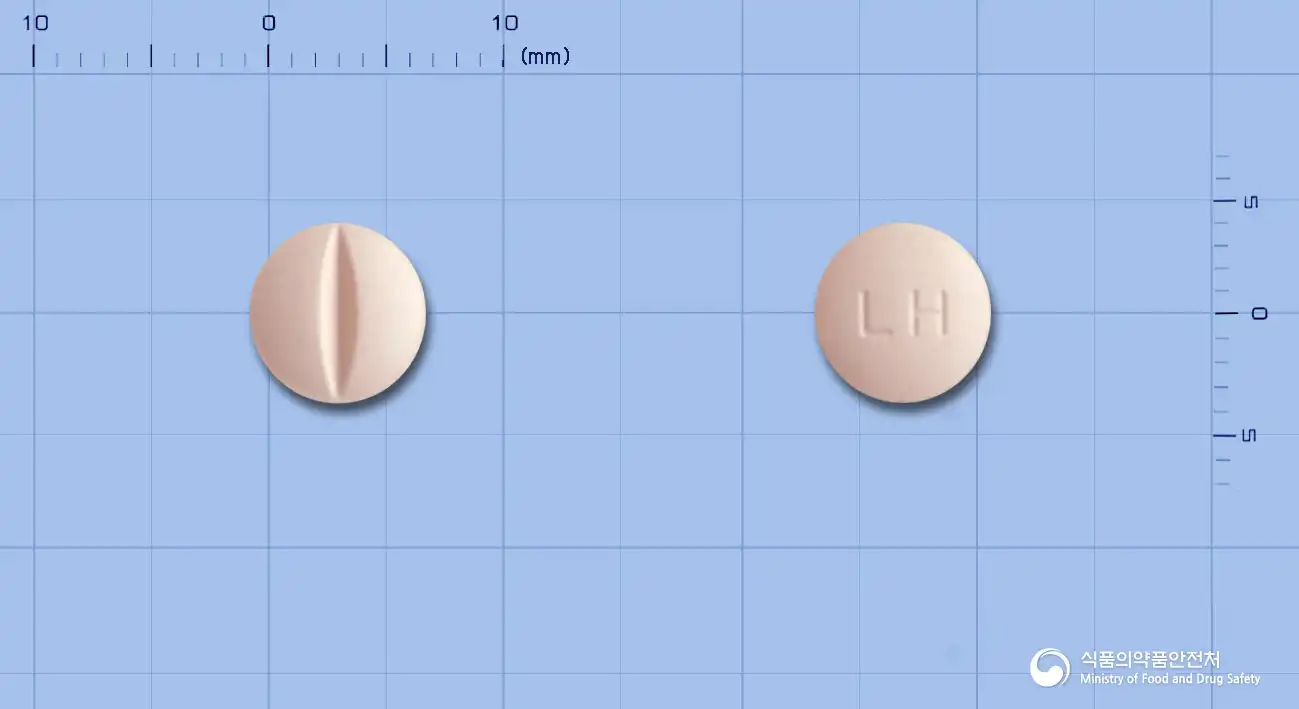
Lithium Carbonate 150mg
Tablet · Prescription medication
Myungin Pharmaceutical Co., Ltd.
Even with the same ingredient, the dose and directions can differ by strength and dosage form. Talk to a doctor or pharmacist before switching from a medication you are already taking.
No questions yet.
For anything that needs medical judgment, consult a doctor or pharmacist.
This drug information is based on data provided by the Korea Ministry of Food and Drug Safety.
Consult a doctor or pharmacist for accurate dosage, administration, and usage instructions.