
 한국어
 English
 日本語
 中文(简体)
 Viewing now
Carbamazepine Tablet (Carbamazepine)
Carbamazepine 200mg
Tablet · Prescription medication
Myeongin Pharmaceutical Co., Ltd.
MFDS item code 198500634 · Notified 1985.04.17 · Insurance code 651901860
Treatment of epilepsy, trigeminal neuralgia, and psychiatric disorders (including mania and agitation in schizophrenia)
This medication is used to treat various seizures of epilepsy, especially generalized tonic-clonic seizures, and the mental disorders associated with epilepsy. It is also effective in improving the manic state of severe trigeminal neuralgia, schizophrenia, and bipolar disorder. By addressing various neurological and psychiatric symptoms, it helps alleviate patients' symptoms and improve their quality of life.
1. Epilepsy Treatment should be initiated at a low dose and increased slowly until the optimal effect is achieved. The dose of this medicine should be adjusted to adequately control seizures in each individual patient. Determination of the blood concentration may help achieve the optimal dose. The blood concentration of carbamazepine effective for epilepsy is known to be 4-12 μg/mL (17-50 micromoles/L). Adults: The initial dose of carbamazepine is 200-400㎎ per day, administered orally in 1-2 divided doses, and increased slowly until the optimal effect is achieved (600㎎ per day). The dose may be increased to 1200㎎ per day depending on symptoms. 2. Trigeminal neuralgia Adults: The initial dose of this medicine is 200-400㎎ per day, administered in divided doses up to 600 mg per day. The dose may be increased to 800mg per day depending on symptoms. 3. Mania, manic states in bipolar disorder, and agitation in schizophrenia Adults: The initial dose of this medicine is 200-400㎎ per day, administered in 1-2 divided doses, and increased slowly until the optimal effect is achieved (600㎎ per day). The dose may be increased to 1200㎎ per day depending on symptoms. Dosage may be adjusted as appropriate according to age and symptoms.
Children: 100-600㎎ per day in divided doses, according to age and symptoms.
This medication may cause mental health issues such as suicidal thoughts, suicidal behavior, or depression during use, so patients or caregivers should consult a physician immediately if these symptoms arise. This medication can cause severe allergic reactions on the skin, particularly at a higher risk for Asian patients, so it is recommended to test for specific genes before administering. During pregnancy, this medication may cause fetal malformations or growth disorders, so women who are pregnant or planning to become pregnant must consult their physician and use effective contraception. This medication should be used cautiously in patients with certain conditions, such as heart disease, liver or kidney diseases, and blood disorders, and patients must inform their doctor before taking it. At the initial dose, side effects like dizziness, drowsiness, nausea, and skin rash may commonly occur, and if these symptoms are severe, you should consult with your healthcare provider. This medication may interact with other drugs, so if you are taking other medications, you must inform your physician or pharmacist, especially if you are a woman taking contraceptives, as this medication may reduce contraceptive effectiveness, and non-hormonal contraceptive methods should be used. During treatment, regular blood tests and liver function tests should be conducted, and if unusual symptoms occur, they should be reported to medical personnel immediately. Discontinuing this medication abruptly may worsen seizures, so it should be gradually reduced according to the physician's instructions. Caution is needed when driving or operating machinery as drowsiness or dizziness may occur. In cases of overdose, severe issues can occur in the central nervous system and cardiovascular system, so strict adherence to prescribed dosages is necessary, and if abnormal symptoms present, immediate emergency treatment should be sought. This medication should be kept out of reach of children and stored in its original container to maintain its quality.
Suicidal thoughts, suicidal behavior, depression, abnormal changes in mood and behavior, Stevens-Johnson syndrome, toxic epidermal necrolysis, leukopenia, thrombocytopenia, eosinophilia, leukocytosis, lymphadenopathy, agranulocytosis, aplastic anemia, hypocytosis, pure red cell aplasia, anemia, megaloblastic anemia, reticulocytosis, hemolytic anemia, fever, rash, vasculitis, lymphangiectasis, arthralgia, hepatic splenomegaly, abnormal liver function test results, cholestatic syndrome, vascular edema, hypogammaglobulinemia, anaphylactic reaction, edema, fluid retention, weight gain, hyponatremia, somnolence, vomiting, headache, confusional state, neurological disorders, galactorrhea, gynecomastia, folic acid deficiency, decreased appetite, acute intermittent porphyria, mixed porphyria, delayed cutaneous porphyria, visual hallucinations, auditory hallucinations, depression, aggressive behavior, anxiety, restlessness, confusional state, activation of psychosis, ataxia, dizziness, drowsiness, diplopia, headache, control disorder, tremor, fixed postures incapacity, dystonia, facial spasms, nystagmus, oral-facial movement disorders, ocular movement disorders, speech disorders, chorea, peripheral neuropathy, sensory disturbances, incomplete paralysis, taste disturbances, neuroleptic malignant syndrome, cholecystic muscle cramps, aseptic meningitis, control disorder, lens opacity, conjunctivitis, increased intraocular pressure, hearing impairment, hyperacusis, hearing loss, abnormal auditory perception, electrocardiogram disorders, bradycardia, arrhythmia, syncope, exacerbation of coronary artery disease, congestive heart failure, sequelae, lymphangiectasia, myocardial infarction, hypertension, hypotension, circulatory collapse, embolism, thrombotic venous inflammation, PIE syndrome, fever, dyspnea, pneumonia, vomiting, nausea, thirst, constipation, diarrhea, abdominal pain, pancreatitis, glossitis, stomatitis, cholestatic hepatitis, hepatocellular hepatitis, mixed hepatitis, jaundice, severe hepatitis, granulomatous hepatitis, liver failure, urticaria, allergic dermatitis, exfoliative dermatitis, erythema multiforme, systemic lupus erythematosus symptoms, pruritus, Stevens-Johnson syndrome, toxic epidermal necrolysis, photodermatitis, erythema nodosum, abnormal skin pigmentation, purpura, acne, hyperhidrosis, hair loss, hirsutism, muscle weakness, osteomalacia, osteoporosis, arthralgia, myalgia, muscle cramps, interstitial nephritis, renal failure, renal dysfunction, urinary retention, frequent urination, sexual dysfunction, erectile dysfunction, sperm morphology abnormalities, fatigue, reactivation of herpesvirus 6 infection, bone marrow failure, sedation, memory impairment, colitis, drug rash accompanied by eosinophilia and systemic syndrome, acute generalized pustular dermatitis, lichen planus, nail shedding, fractures, decreased bone density, falls, blistering rash, pustular rash, mucosal rashes, sleep disorders, oral edema
Not everyone experiences these, and they can vary from person to person.
Store this medication in a tightly closed container to keep out air and moisture. Additionally, keep it in a cool, dry place to maintain its efficacy.
White round tablet
30 tablets/bottle, 200 tablets/bottle
Even with the same ingredient, strength, dosage form and how it is taken can differ.
Viewing nowCarbamazepine 200mg
Tablet · Prescription medication
Myeongin Pharmaceutical Co., Ltd.

Carbamazepine 200mg
Tablet · Prescription medication
Myungin Pharmaceutical Co., Ltd.

Carbamazepine 200mg
Tablet · Prescription medication
Hanin Pharmaceutical Co., Ltd.

Carbamazepine 200mg
Tablet · Prescription medication
Myungmoon Pharmaceutical Co., Ltd.
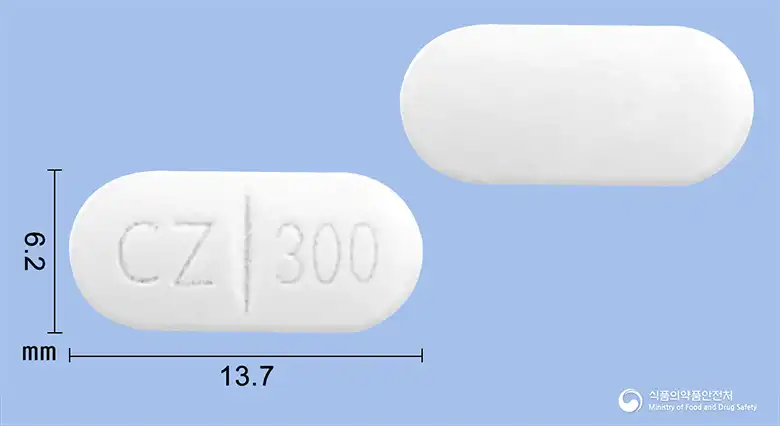
Carbamazepine 300mg
Tablet · Prescription medication
Myeongin Pharmaceutical Co., Ltd.

Carbamazepine 300mg
Tablet · Prescription medication
Bukhwang Pharm Co., Ltd.
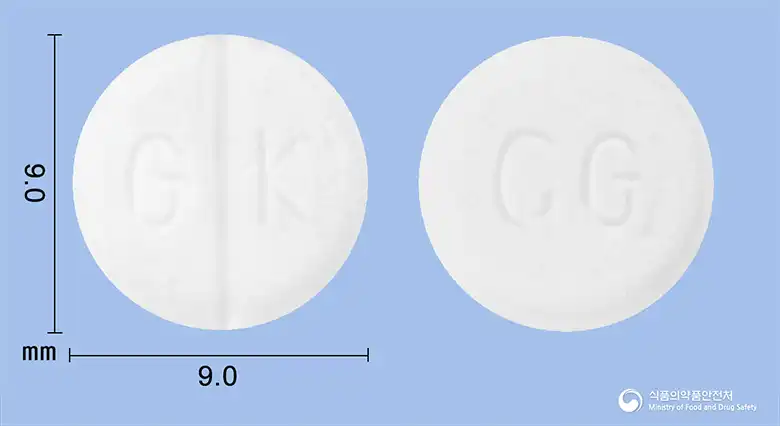
Carbamazepine 200mg
Tablet · Prescription medication
Novartis Korea Ltd.
Carbamazepine 2g
Syrup · Prescription medication
Korea Novartis Co., Ltd.
Even with the same ingredient, the dose and directions can differ by strength and dosage form. Talk to a doctor or pharmacist before switching from a medication you are already taking.
No questions yet.
For anything that needs medical judgment, consult a doctor or pharmacist.
This drug information is based on data provided by the Korea Ministry of Food and Drug Safety.
Consult a doctor or pharmacist for accurate dosage, administration, and usage instructions.