
 한국어
한국어 English
 日本語
日本語 中文(简体)
 Viewing nowCombination
Spirizide Tablet (Spironolactone, Hydrochlorothiazide)
Spironolactone 25mg · Hydrochlorothiazide 25mg
Tablet · Prescription medication · Combination
Myongin Pharmaceutical Co., Ltd.
MFDS item code 198500633 · Notified 1985.09.06
Improvement of congestive heart failure (edema, hypokalemia), cirrhosis, and nephrotic syndrome edema, effect on essential hypertension control
This medication is effective for symptoms of edema due to congestive heart failure or sodium retention, and is used particularly in patients who have insufficient response to or are unsuitable for existing treatments. It is also used for edema and ascites due to liver cirrhosis, in conjunction with rest and restrictions on fluid and sodium intake, as a maintenance therapy. It can be helpful for patients with persistent edema due to nephrotic syndrome, applicable when other diuretics or treatments are inadequate. It can be effectively used in patients with essential hypertension when existing treatments are insufficient or when hypokalemia occurs due to diuretics. Thus, this drug is used for the treatment of edema symptoms and hypertension from various causes.
For edema treatment, adults should orally take 100mg of spironolactone and hydrochlorothiazide each, once or divided. Depending on the response to the initial dose, each can be increased to 25-200mg. For essential hypertension treatment, adults should orally take 50-100mg of spironolactone and hydrochlorothiazide each, once or divided. Adjustments should be made according to age and symptoms.
The daily maintenance dose for children is 1.65-3.3mg per kg of body weight.
This medication is a compound diuretic containing spironolactone and hydrochlorothiazide as active ingredients, primarily used for the treatment of hypertension and edema. This medication must be used for specific conditions, and unnecessary use should be avoided. It is particularly important to follow the physician's instructions, as this medication may not be suitable for the initial treatment of hypertension or edema. Taking this medication together with drugs or foods high in potassium can dangerously increase blood potassium levels, so these should not be used concomitantly. Additionally, caution is necessary when taken with ACE inhibitors or indomethacin, as the risk of hyperkalemia can increase. Patients with poor liver function should use this medication cautiously, as serious side effects such as hepatic coma may occur. Patients taking lithium should avoid using this medication concurrently, as it may interfere with lithium excretion and increase toxicity. As this medication contains thiazide-like diuretic components, patients with a history of allergies or asthma may experience hypersensitivity reactions. Furthermore, this medication may exacerbate systemic lupus erythematosus (SLE), so caution is advised. This medication should not be administered to the following patients: anuric patients with no urine output, patients with acute renal failure or severe renal impairment, patients with hyperkalemia, patients with acute or severe liver failure, patients on other potassium-sparing diuretics, patients allergic to sulfonamide medications, and patients with lactose intolerance or genetic lactose-related issues. Patients allergic to yellow dye or with a history of non-melanoma skin cancer should use this medication cautiously, and it is recommended to limit sun exposure and regularly monitor skin conditions to reduce the risk of skin cancer. Possible side effects include fatigue, hypotension, gastrointestinal issues (nausea, vomiting, diarrhea), blood disorders, allergic reactions, electrolyte imbalance, muscle cramps, headaches, renal function abnormalities, skin rashes, etc. During treatment with this medication, electrolyte levels in the blood should be regularly monitored to ensure there are no abnormalities. Especially, this medication can interact with blood pressure medications or other diuretics, so it is important to consult a physician or pharmacist when taking it with other medications. Women who are pregnant or breastfeeding should carefully consider the potential effects on the fetus and newborn, and it is advisable to avoid its use if possible. The safety and efficacy in children have not been fully established, so this medication is not used in children except in special cases. In case of overdose, emergency measures such as inducing vomiting or gastric lavage are required, and in severe cases, electrolyte imbalances or worsening renal function may occur, necessitating immediate medical attention. It is very important to carry out regular health checks and blood tests while taking this medication to detect and manage side effects or abnormal reactions early.
Hives, severe swelling (edema), chest tightness, difficulty breathing, cold sweat, pallor, severe rash with high fever, blisters, mucosal pain in the mouth/eyes, difficulty or shortness of breath, asthma attacks, respiratory distress with cough and fever, yellowing of the skin or eyes (jaundice), severe fatigue throughout the body, sudden and severe headaches, thunderclap headache, seizures, confusion, visual disturbances, paralysis, urination
Not everyone experiences these, and they can vary from person to person.
This medication should be stored in a tightly closed container to prevent air and moisture from entering. Proper storage will help maintain the medication's effectiveness for a longer period.
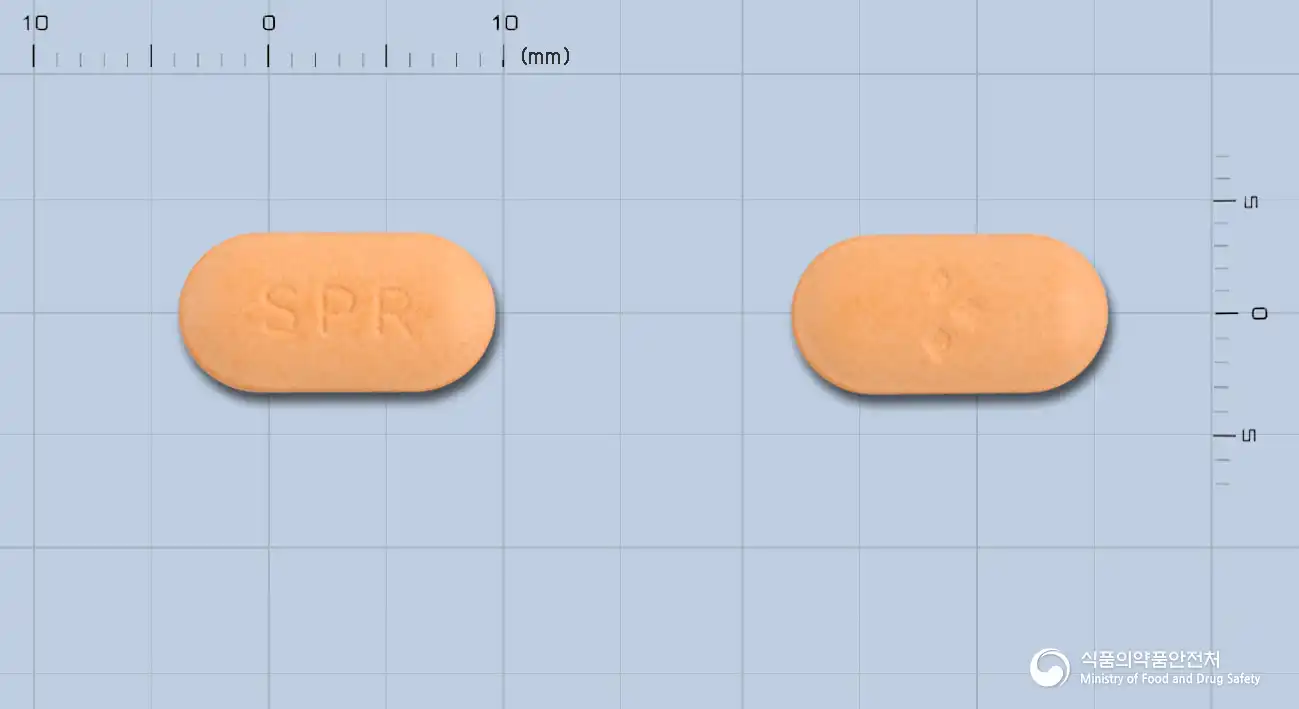
Orange rectangular film-coated tablet
30 tablets/bottle, 200 tablets/bottle
Even with the same ingredient, strength, dosage form and how it is taken can differ.
Viewing nowCombinationSpironolactone 25mg · Hydrochlorothiazide 25mg
Tablet · Prescription medication · Combination
Myongin Pharmaceutical Co., Ltd.
Spironolactone 25mg · Hydrochlorothiazide 25mg
Tablet · Prescription medication · Combination
Austin Pharmaceuticals Co., Ltd.
Even with the same ingredient, the dose and directions can differ by strength and dosage form. Talk to a doctor or pharmacist before switching from a medication you are already taking.
No questions yet.
For anything that needs medical judgment, consult a doctor or pharmacist.
This drug information is based on data provided by the Korea Ministry of Food and Drug Safety.
Consult a doctor or pharmacist for accurate dosage, administration, and usage instructions.