
 한국어
 English
 日本語
 中文(简体)
Summary
- Main use
- Treatment of schizophrenia; prevention and treatment of perioperative vomiting; relief of Ménière’s symptoms (dizziness and tinnitus)
- Who takes it
- Adults
- Adult dose
- ○ Adults: Administer 6~24 mg of perphenazine orally each day in 3 divided doses. Adjust the dose as appropriate according to symptoms.
Ingredients
- Manufacturer
- Myungjin Pharmaceuticals Co., Ltd.
Efficacy & effects
Treatment of schizophrenia; prevention and treatment of perioperative vomiting; relief of Ménière’s symptoms (dizziness and tinnitus)
- Schizophrenia
- vomiting before and after surgery
- dizziness caused by Ménière's syndrome
- tinnitus
View approved original textHide original text
This medication is used to treat conditions affecting mental health, such as schizophrenia, and is also used to prevent vomiting before and after surgery. Additionally, it helps alleviate dizziness and tinnitus caused by Ménière's disease. It is effective in improving these various symptoms, thus contributing to the enhancement of the patient's quality of life.
How to take
Adult dose
○ Adults: Administer 6~24 mg of perphenazine orally each day in 3 divided doses. Adjust the dose as appropriate according to symptoms.
Precautions
This medication may increase mortality risk when used in elderly dementia patients, so caution is advised. It should be used with increased vigilance, particularly in patients at risk for cerebrovascular diseases, and extra caution is needed in cases with stroke risk factors. There is also a risk of venous thrombosis, so it is essential to assess and take preventive measures for thromboembolism risk factors before and during the use of this medication. In the case of ampule injections, there is a risk of glass fragments being present, so careful handling during cutting is necessary, and even more caution is warranted for children and elderly patients. It should not be administered to patients in a comatose state, those on central nervous system depressants, patients with specific allergies, acute alcohol intoxication, liver dysfunction, children under 14 years old, pregnant women, and nursing mothers. Special care should also be taken when administering to patients with certain diseases or conditions such as renal impairment, skin diseases, cardiovascular diseases, asthma, epilepsy, or elderly patients, and their conditions should be closely monitored. This medication can cause various side effects, including hypotension, arrhythmias, blood disorders, gastrointestinal disturbances, hepatic disorders, neuroleptic malignant syndrome, extrapyramidal symptoms, tardive dyskinesia, visual disturbances, endocrine abnormalities, and neurological adverse reactions, so if any unusual symptoms appear, immediate consultation with medical personnel is necessary. Regular blood tests should be performed for liver, kidney function, and blood count during prolonged use, and caution should be taken as drowsiness or decreased concentration may occur; driving or operating dangerous machinery should be avoided. Sudden discontinuation may cause withdrawal symptoms, so the dosage should be reduced gradually, and because there are many interactions with other medications, it is essential to consult with a specialist when using it alongside other drugs. It is safest for women who are pregnant or may become pregnant, as well as nursing mothers, to avoid using this medication, and it should not be given to children. Elderly patients should be carefully monitored due to the potential for orthostatic hypotension and mobility issues during administration. Injectable forms should only be used when oral administration is not feasible and should be switched to oral forms as soon as possible. In the case of overdose, central nervous system depression, hypotension, and extrapyramidal symptoms can occur, necessitating immediate treatment at a medical facility. Store out of reach of children, be cautious of skin hypersensitivity when handling the drug, and avoid exposure to sunlight.
Side effects
- Increased mortality rate
- cerebrovascular disease
- venous thrombosis
- orthostatic hypotension
- hypotension
- tachycardia
- arrhythmia
- exacerbation of heart disease
- abnormal electrocardiogram
- sudden death
Show 98 moreCollapse
- thromboembolism
- leukocytosis
- leukopenia
- eosinophilia
- hemolytic anemia
- pancytopenia
- agranulocytosis
- neutropenia
- thrombocytopenic purpura
- increased appetite
- decreased appetite
- thirst
- nausea
- vomiting
- constipation
- bowel paralysis
- liver dysfunction
- cholestasis
- jaundice
- motor paralysis
- severe muscle rigidity
- dysphagia
- sweating
- malignant neuroleptic syndrome
- acute dystonia
- torticollis
- trismus
- Parkinsonian rigidity
- tremor
- akinesia
- inability to sit cross-legged
- delayed dyskinesia
- miosis
- mydriasis
- increased intraocular pressure
- blurred vision
- corneal opacity
- lens opacity
- retinal pigment deposition
- corneal pigment deposition
- hyperprolactinemia
- gynecomastia in women
- galactorrhea
- menstrual irregularities
- false positive pregnancy test
- erectile dysfunction
- inability to ejaculate
- changes in libido
- hyperglycemia
- hypoglycemia
- diabetes
- weight gain
- weight loss
- sleep disturbances
- dizziness
- headache
- agitation
- anxiety
- excitement
- seizures
- paradoxical reactions
- cerebral edema
- abnormal cerebrospinal fluid
- photosensitivity
- erythema
- dermatitis
- itching
- urticaria
- eczema
- anaphylactic reaction
- laryngeal edema
- angioedema
- exfoliative dermatitis
- contact dermatitis
- sweating
- urinary retention
- urinary incontinence
- anuria
- frequent urination
- polyuria
- skin pigmentation
- symptoms of systemic lupus erythematosus
- nasal congestion
- increased protein-bound iodine
- parotitis
- hyperpyrexia
- polyphagia
- fatigue
- edema
- drowsiness
- stupor
- central nervous system depression
- agitation
- emotional instability
- spasms
- intestinal obstruction
- electrocardiogram changes
- arrhythmia
Not everyone experiences these, and they can vary from person to person.
Storage
This medication should be stored in a tightly sealed container that can block light, at a temperature between 1 to 30 degrees Celsius. Proper storage helps maintain the medication's efficacy over time.
Appearance and packaging
Appearance
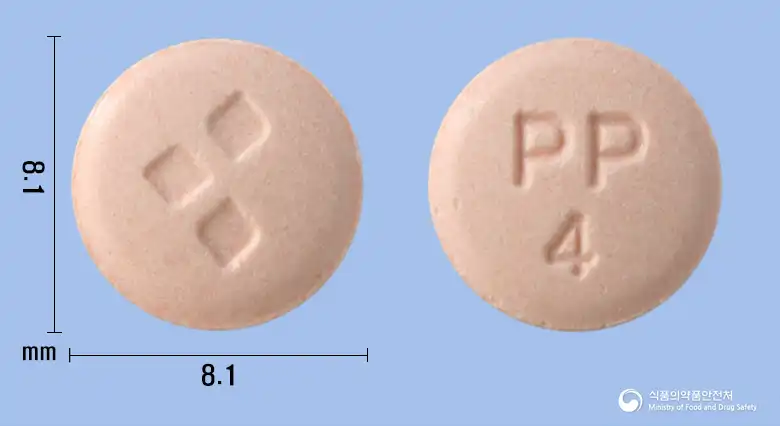
Pink round tablet
Package unit
1000 tablets/bottle
Questions about this medicine
No questions yet.
For anything that needs medical judgment, consult a doctor or pharmacist.