
 한국어
 English
 日本語
 中文(简体)
Summary
- Main use
- Treatment of schizophrenia
- Who takes it
- Adults
- Adult dose
- Adults: Administer an initial dose of 1-3㎎ of pimozide orally once daily. Gradually increase the dose to 4-6㎎ daily according to symptoms, and divide into 2-3 doses if necessary. The maintenance dose is 6㎎ or less, and the maximum daily dose is 9㎎. When administered once daily, morning administration is preferred. Adjust the dose as appropriate according to age and symptoms.
Ingredients
- Manufacturer
- Myungjin Pharmaceuticals Co., Ltd.
Efficacy & effects
Treatment of schizophrenia
- Schizophrenia
View approved original textHide original text
This medication is used to treat symptoms of schizophrenia, also known as psychosis.
How to take
Adult dose
Adults: Administer an initial dose of 1-3㎎ of pimozide orally once daily. Gradually increase the dose to 4-6㎎ daily according to symptoms, and divide into 2-3 doses if necessary. The maintenance dose is 6㎎ or less, and the maximum daily dose is 9㎎. When administered once daily, morning administration is preferred. Adjust the dose as appropriate according to age and symptoms.
Precautions
This medication should not be taken in doses exceeding 20mg per day, as there is a rare risk of sudden death. The prescribed dosage must be strictly adhered to. In elderly dementia patients, the use of this medication may increase mortality, so it should be administered with caution. Dementia patients taking this medication may have an elevated risk of cerebrovascular diseases, requiring special attention if there are cardiovascular disease risk factors such as stroke. Due to the risk of venous thromboembolism, thrombotic risk factors should be assessed and preventive measures taken before and during the use of this medication. This medication should not be administered to patients with congenital cardiac conduction abnormalities or arrhythmias, endogenous depression, Parkinson's syndrome, or epilepsy. Patients with hypersensitivity to this medication or its ingredients, or those on certain antibiotics, antidepressants, or antiviral medications should also avoid using it. Patients with specific genetic metabolic disorders, such as lactose intolerance, should not be given this medication. Caution should be exercised in patients with impaired liver or kidney function, heart disease, a history of epilepsy, pregnant women, or nursing mothers. This medication can cause various side effects, including cardiac rhythm disturbances, thromboembolism, neuroleptic malignant syndrome, hyponatremia, and Parkinson's-like symptoms, so if any abnormal symptoms occur, consult a physician immediately. Drowsiness and dizziness may occur during use, so avoid driving or operating hazardous machinery. This medication may interact with other drugs, particularly those that affect heart rhythm or liver metabolism, so consult a physician or pharmacist when taking them together. Women who are pregnant or may become pregnant should only take this medication if necessary, as it may affect the fetus, and nursing mothers are advised to discontinue breastfeeding while taking it. Elderly patients have a higher risk of side effects, so treatment should start at a lower dose and be monitored carefully. Overdose may result in severe cardiac abnormalities or consciousness disturbances, requiring immediate emergency treatment and observation for a period after discontinuation. Sudden discontinuation may lead to withdrawal symptoms, so dosage should be gradually reduced as per the physician's instructions. This medication should be kept out of reach of children and should not be transferred to other containers for safety.
Side effects
QT interval prolongation, risk of fatal arrhythmia, increased risk of cerebrovascular disease, venous thrombosis, abnormal electrocardiogram, sudden death, thromboembolism, motor paralysis, severe muscle rigidity, dysphagia, tachycardia, changes in blood pressure, sweating, fever, leukocytosis, elevated serum CPK, myoglobinuria, reduced kidney function, high fever, altered consciousness, dyspnea, circulatory collapse, dehydration symptoms, acute renal failure, hyponatremia, altered consciousness, seizures, Parkinsonism, tremors, muscle spasms, stiffness, inability to sit still, abnormal movements, drowsiness, insomnia, anxiety, restlessness, agitation, irritation, hallucinations, delusions, decreased attention, epileptic seizures, elevated ALT, elevated AST, control disturbances, rash, itching, nausea, vomiting, loss of appetite, discomfort in the upper abdomen, constipation, abdominal pain, diarrhea, urination disorders, increased urination, thirst, sweating, headache, fatigue, sexual arousal, dizziness, unsteadiness, facial edema, drowsiness, dizziness, unsteadiness, fatigue, leukopenia, neutropenia, agranulocytosis, fever, symptoms of infection, severe extrapyramidal symptoms, hypertension, shock-like symptoms, coma
Not everyone experiences these, and they can vary from person to person.
Storage
This medication should be stored in a tightly sealed container to avoid exposure to air or moisture. It is important to maintain the storage temperature at room temperature between 1 to 30 degrees Celsius. This ensures the medication's effectiveness is preserved safely.
Appearance and packaging
Appearance
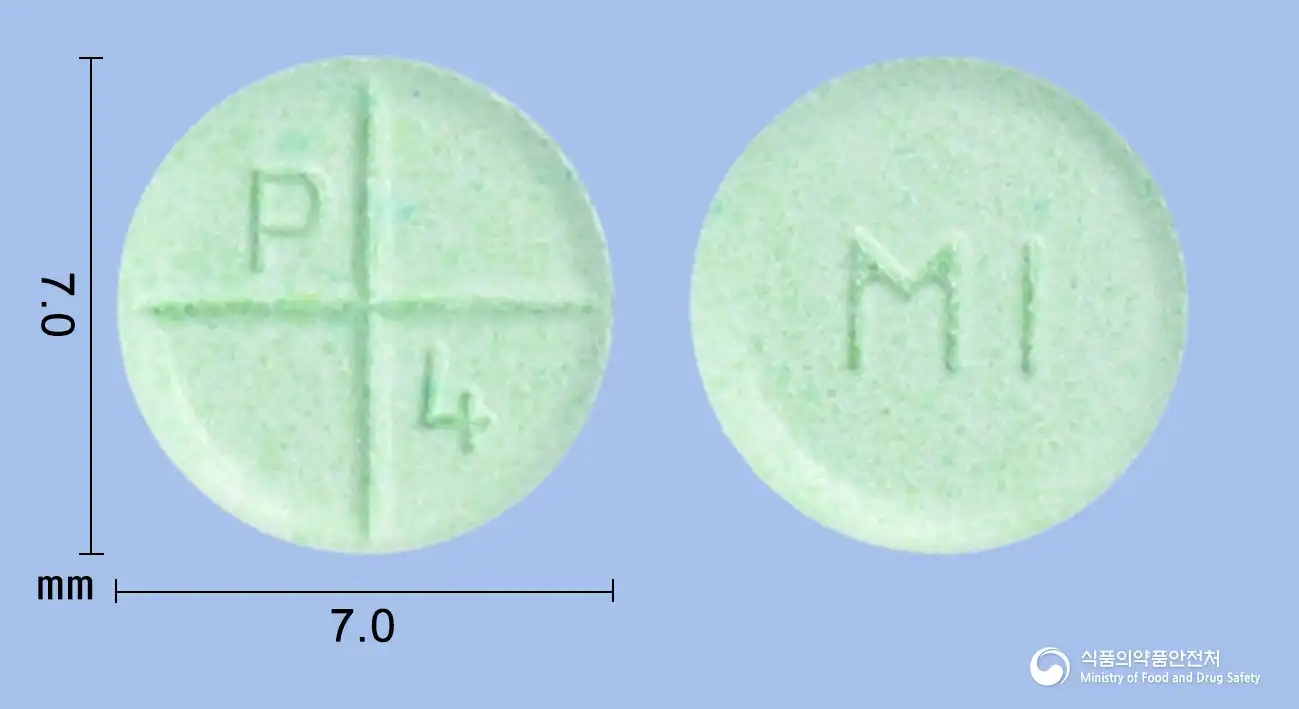
Pale green circular tablet.
Package unit
30 tablets/bottle, 100 tablets/bottle
Questions about this medicine
No questions yet.
For anything that needs medical judgment, consult a doctor or pharmacist.