
 한국어
 English
 日本語
 中文(简体)
 Viewing now
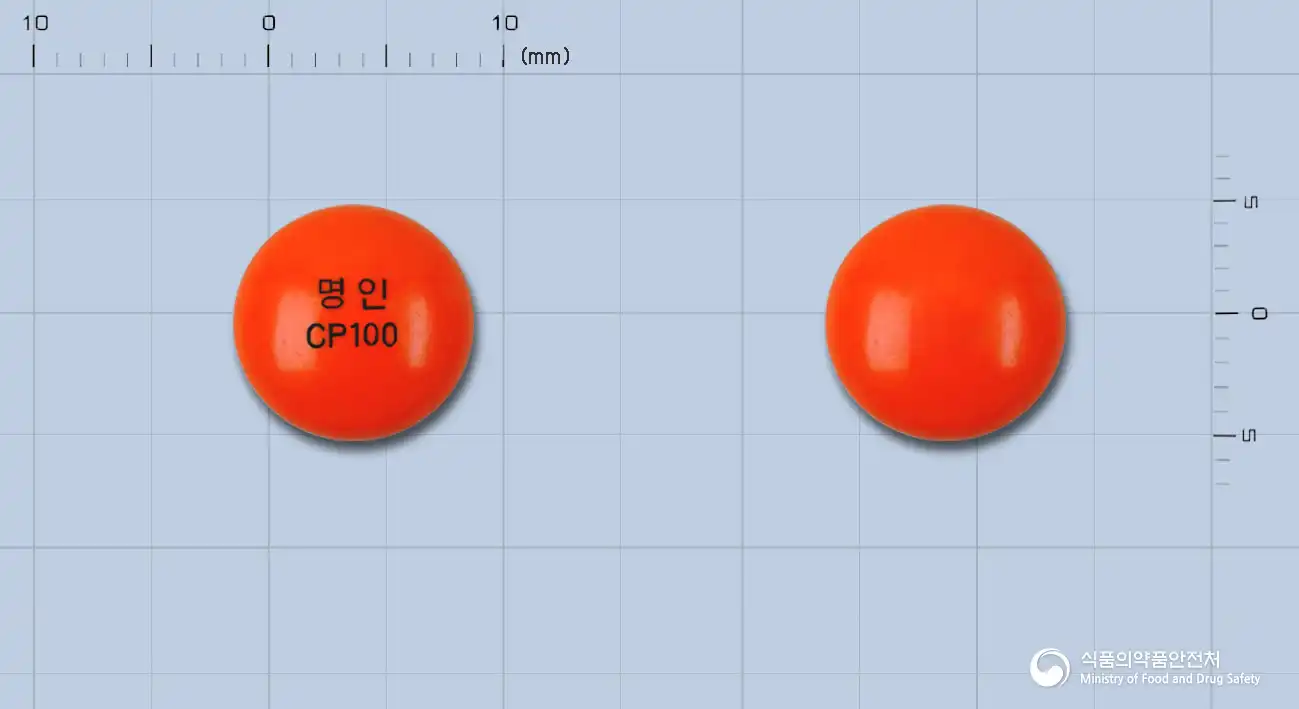
Myungjin Chlorpromazine Hydrochloride 100 mg
Chlorpromazine Hydrochloride 100mg
Prescription medication
Myungjin Pharmaceuticals Co., Ltd.
MFDS item code 198500616 · Notified 1985.04.17 · Insurance code 651900760
Treatment of psychiatric disorders (including psychosis and mania); artificial hibernation; relief of nausea, vomiting, and hiccups
This medicine is used to treat schizophrenia, other psychoses, and mania. It is also effective for symptoms such as nausea and vomiting, and hiccups. It can assist in artificial sleep. It is used to alleviate anxiety, tension, and agitation symptoms caused by psychotic disorders. Overall, it is a drug that helps improve psychiatric symptoms and certain physical symptoms.
(Oral: tablets) 1. Adults: Administer 30㎎-100㎎ of chlorpromazine hydrochloride daily, or 50-450㎎ daily in divided oral doses for psychiatric conditions (up to 1g may be administered). Adjust the dose as appropriate according to age and symptoms. (Injection) Adults: Slowly administer 10-50㎎ of chlorpromazine hydrochloride per dose by intramuscular or intravenous injection. Adjust the dose as appropriate according to age and symptoms.
Children: Administer 0.5㎎ per ㎏ of body weight daily in 3-4 doses.
This medicine may increase mortality in elderly patients, so caution is required. It should not be used in patients who are in a comatose state, have highly unstable circulation, are taking strong central nervous system depressants, or are acutely intoxicated with alcohol. It should also not be used in individuals who are allergic to this drug or similar drugs, infants under 1 year, patients with Reye’s syndrome, and those receiving epinephrine. Caution should be exercised in patients with brain injuries, liver, kidney, or blood disorders, cardiovascular diseases, or skin diseases. Caution is also needed in individuals with asthma or lung diseases, seizure disorders, Parkinson's disease, glaucoma, certain tumors, those in hot environments, the elderly, patients with depression, children, and those with poor nutritional status. This medication contains specific dyes, so individuals allergic to these ingredients should be administered with caution. Side effects may include low blood pressure, cardiac anomalies, changes in blood cell counts, digestive disturbances, liver function abnormalities, and severe neurological adverse symptoms; any unusual symptoms should be reported to a doctor immediately. In particular, neuroleptic malignant syndrome, extrapyramidal symptoms, movement disorders, visual disturbances, endocrine abnormalities, and psychiatric neurological adverse symptoms may occur, requiring careful observation. Regular liver function and blood tests should be conducted during long-term use, and patients should avoid driving or operating dangerous machinery if drowsiness or decreased concentration occurs. Abrupt discontinuation of this medication may lead to withdrawal symptoms; therefore, it is important to gradually taper the dosage. Additionally, there are many drug interactions, which may require dose adjustments or contraindications based on concomitant medications. Pregnant or breastfeeding women are advised not to use this medication, especially during late pregnancy, as it may cause serious side effects in newborns. Children and the elderly are at a higher risk of side effects and should be used with increased caution. In case of overdose, central nervous system depression, low blood pressure, cardiac anomalies may occur; symptomatic treatment is required since there is no specific antidote. Those handling this drug should avoid skin exposure and wash hands and faces frequently to prevent hypersensitivity reactions.
Orthostatic hypotension, hypotension, tachycardia, palpitations, arrhythmia, exacerbation of heart disease, leukocytosis, leukopenia, eosinophilia, aplastic anemia, hemolytic anemia, pancytopenia, agranulocytosis, thrombocytopenic purpura, nausea, vomiting, diarrhea, coated tongue, constipation, intestinal paralysis, loss of appetite, abdominal distension, liver dysfunction, cholestasis, jaundice, motor paralysis, severe muscle rigidity, dysphagia, sweating, fever, increase in white blood cells, elevated serum CPK, myoglobinuria, decreased kidney function, high fever, altered consciousness, dyspnea, circulatory collapse, symptoms of dehydration, acute kidney failure, acute muscle rigidity, oculomotor seizures, torticollis, trismus, Parkinsonian rigidity, tremors, loss of movement, inability to sit cross-legged, gait disturbance, pinpoint pupils, dilated pupils, elevated intraocular pressure, blurred vision, corneal opacity, lens opacity, retinal pigmented deposits, corneal pigmentation, hyperprolactinemia, gynecomastia in women, milk secretion, menstrual irregularities, false positive pregnancy test, erectile dysfunction, inability to ejaculate, changes in libido, hyperglycemia, hypoglycemia, diabetes, weight gain, weight loss, sleep disturbances, insomnia, drowsiness, agitation, anxiety, seizures, confusion, excitement, paradoxical symptoms, tension states, hallucinations, auditory hallucinations, cerebral edema, cerebrospinal fluid abnormalities, restlessness, dizziness, headache, heaviness in the head, impulsive symptoms, photosensitivity, itching, urticaria, rash, asthma, anaphylactic reactions, angioedema, laryngeal edema, exfoliative dermatitis, contact dermatitis, thirst, weakness, fatigue, lethargy, sweating, excessive saliva secretion, nasal congestion, urinary retention, incontinence, anuria, frequency of urination, edema, skin pigmentation, systemic lupus erythematosus-like symptoms, stupor, coma, central nervous system depression, agitation, emotional instability, convulsions, intestinal obstruction, electrocardiogram changes, respiratory depression
Not everyone experiences these, and they can vary from person to person.
This medication may be sensitive to light; therefore, it should be stored in a container that is blocked from light. It is also important to keep it in a sealed container to prevent air ingress.
Orange round coated tablet
1000 tablets/bottle
Even with the same ingredient, strength, dosage form and how it is taken can differ.
Viewing nowChlorpromazine Hydrochloride 100mg
Prescription medication
Myungjin Pharmaceuticals Co., Ltd.
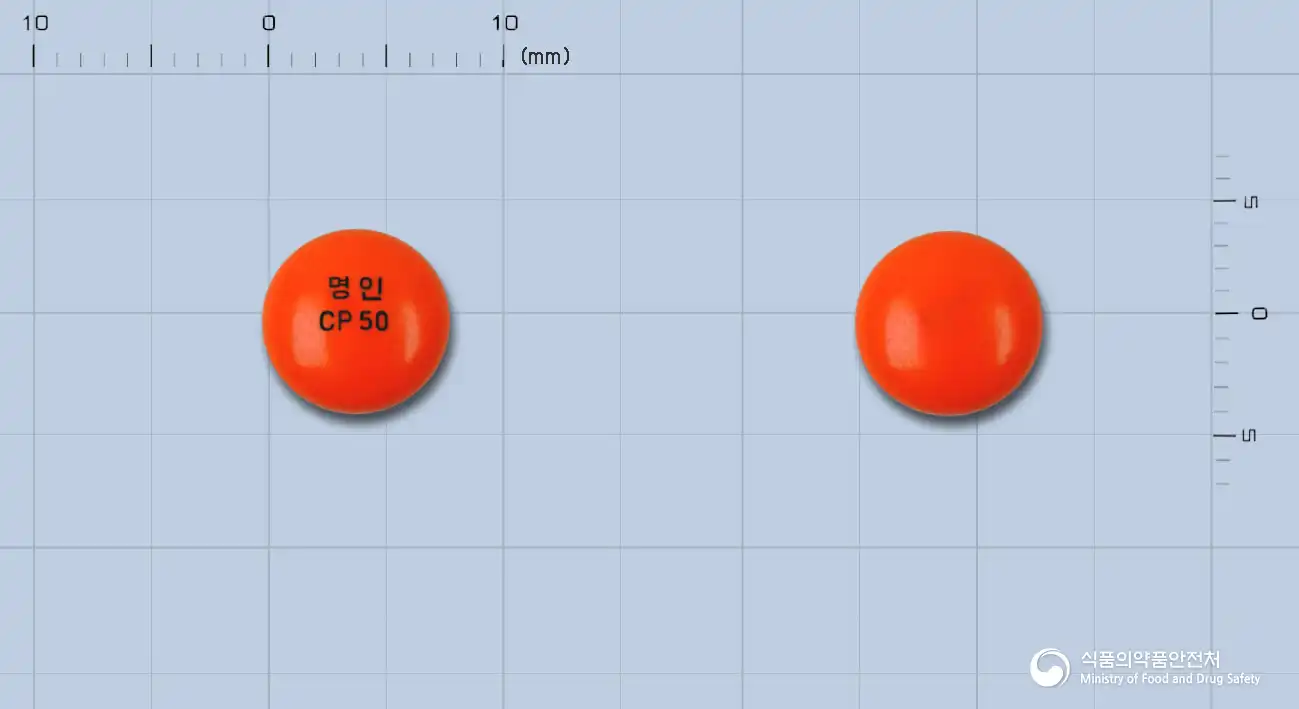
Chlorpromazine Hydrochloride 50mg
Prescription medication
Myongin Pharmaceutical Co., Ltd.
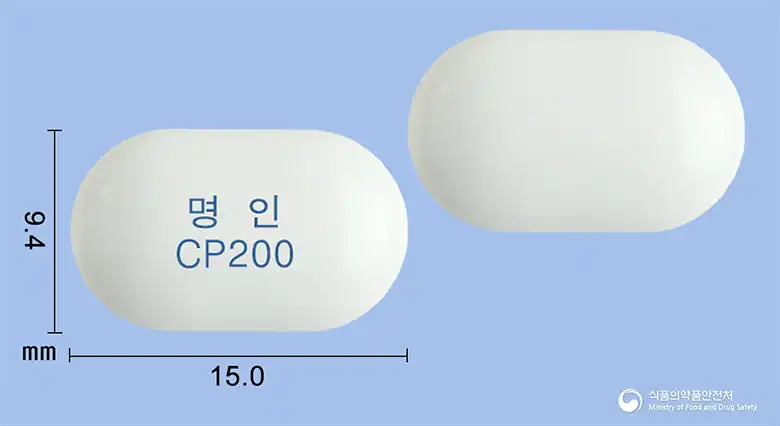
Chlorpromazine Hydrochloride 200mg
Prescription medication
Myungin Pharmaceutical Co., Ltd.
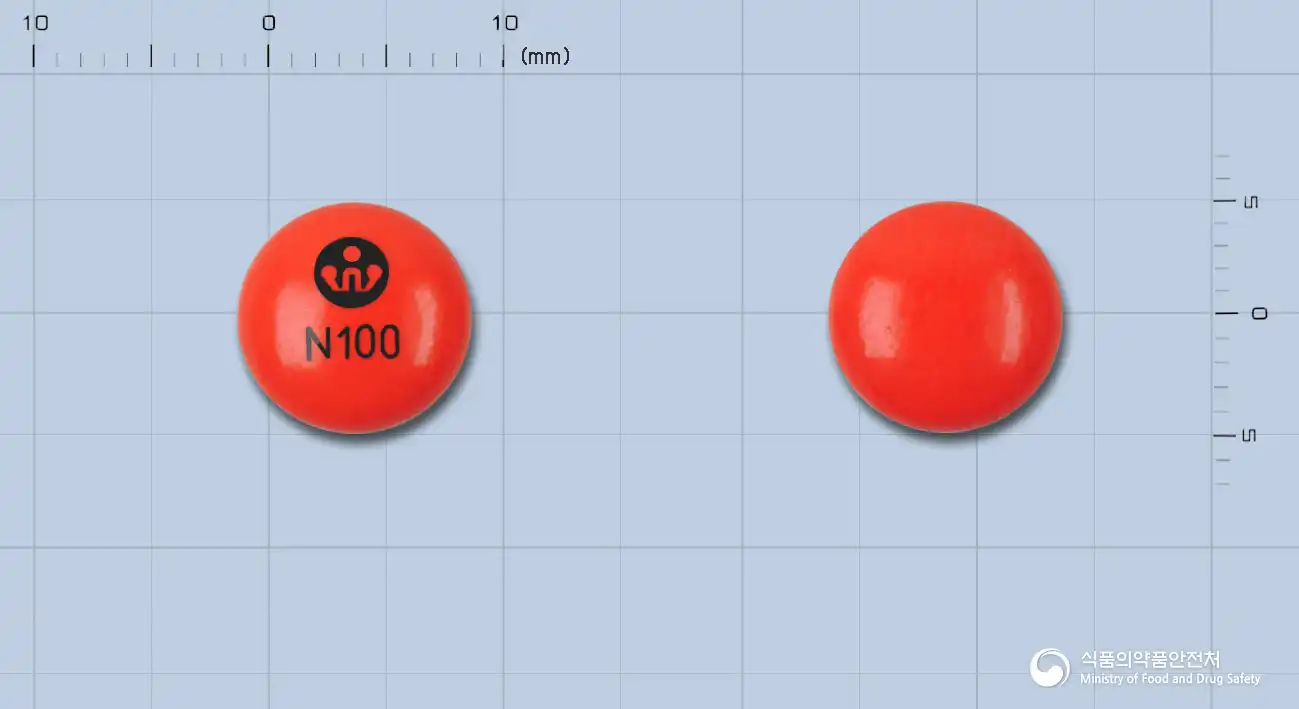
Chlorpromazine Hydrochloride 100mg
Prescription medication
Hwanin Pharmaceutical Co., Ltd.
Even with the same ingredient, the dose and directions can differ by strength and dosage form. Talk to a doctor or pharmacist before switching from a medication you are already taking.
No questions yet.
For anything that needs medical judgment, consult a doctor or pharmacist.
This drug information is based on data provided by the Korea Ministry of Food and Drug Safety.
Consult a doctor or pharmacist for accurate dosage, administration, and usage instructions.