
 한국어
한국어 English
 日本語
日本語 中文(简体)
Dosage form image
Viewing nowTranexamic Acid Injection 500 mg
Tranexamic Acid 100mg
Prescription medication
Jeil Pharmaceutical Co., Ltd.
MFDS item code 198500370 · Notified 1985.01.04 · Insurance code 650500951
Improvement of bleeding tendency due to systemic and local fibrinolytic activity.
This medication is used to manage various bleeding tendencies resulting from systemic or local fibrinolytic activity. For instance, it is applicable in cases where there is a high risk of systemic bleeding, such as leukemia, aplastic anemia, purpura, and cancer, and in local bleeding situations such as pulmonary hemorrhage, genital bleeding, renal bleeding, or abnormal bleeding during and after prostate surgery. It helps effectively control symptoms of bleeding and stabilizes the patient's condition.
As tranexamic acid, administer 250-500 mg once or twice daily via intravenous or intramuscular injection. For bleeding during or after surgery, administer as needed 500-1000 mg intravenously or 500-2500 mg via slow intravenous infusion. Adjust dose according to age and symptoms.
This medication should be used cautiously when cutting the container for ampoule injection, as glass fragments may mix in, particularly when administered to children or the elderly. This medication should not be used in certain patients. For example, patients undergoing thrombin therapy, those with a history of thromboembolism, patients allergic to this medication or its components, and in cases of epidural or spinal administration. Caution is needed when administering to patients with thrombosis or at risk of thrombosis, patients who are bedridden for long periods post-surgery, patients with reduced kidney function, and those with specific blood coagulation disorders. Rarely, shock or allergic reactions may occur when this medication is administered, so patients should be closely monitored. If abnormal symptoms arise, administration should be stopped immediately and appropriate treatment must be given. Temporary visual disturbances or gastrointestinal symptoms, drowsiness, and headaches may occur as side effects, so if these symptoms worsen, it is advisable to consult a physician. There have been cases of seizures during administration in cardiovascular surgery, so care is needed, and if administered incorrectly epidurally or intrathecally, serious side effects may occur. When combined with other medications, the risk of thrombosis may increase, so it is essential to follow the physician's instructions, especially when used with medications related to blood coagulation. Caution is warranted when administering to pregnant women, as it can cross the placenta, and during breastfeeding, it has been reported to be passed through breast milk, but it is known not to have a significant effect on the infant. Elderly patients may have reduced body function, so special attention is required, such as adjusting the dosage. In cases of overdose, symptoms such as nausea, vomiting, and hypotension may occur, and in such cases, adequate hydration and support of kidney function is needed. This medication should be administered slowly via intravenous injection; if administered too quickly, symptoms such as nausea, chest discomfort, palpitations, and dizziness may occur. Finally, other injectable medications or hemostatic agents that may interact with this medication should be discussed with a professional before combined use.
Not everyone experiences these, and they can vary from person to person.
This medication should be stored in a sealed container to prevent air and moisture from entering. This helps maintain the drug's efficacy over time and prevents deterioration.
An ampoule containing a colorless clear liquid.
10 ampoules/box [(5 milliliters/ampoule)]
Even with the same ingredient, strength, dosage form and how it is taken can differ.
Tranexamic Acid 100mg
Prescription medication
Jeil Pharmaceutical Co., Ltd.
Tranexamic Acid 50mg
Prescription medication
Jeil Pharmaceutical Co., Ltd.
Tranexamic Acid 500mg
Injections · Prescription medication
Shinpoong Pharmaceutical Co., Ltd.
Tranexamic Acid 100mg
Prescription medication
Korea Union Pharma Co., Ltd.
Tranexamic Acid 50mg
Prescription medication
Korea Union Pharmaceutical Co., Ltd.
Tranexamic Acid 250mg
Hard capsule · Prescription medication
Genupharm Co., Ltd.
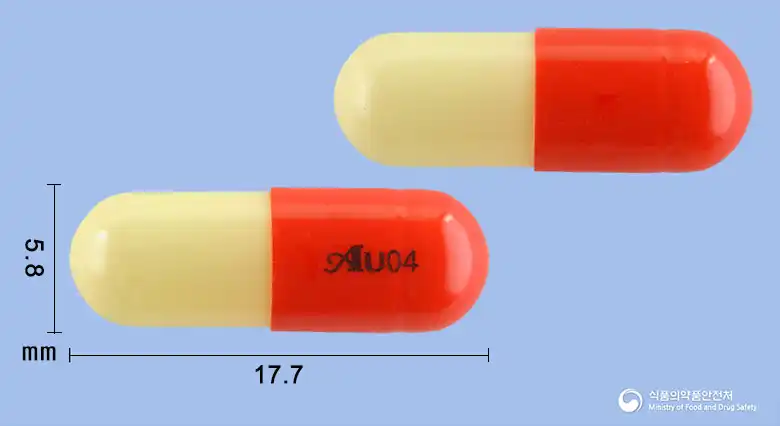
Tranexamic Acid 250mg
Hard capsule · Prescription medication
Austin Pharmaceutical Co., Ltd.
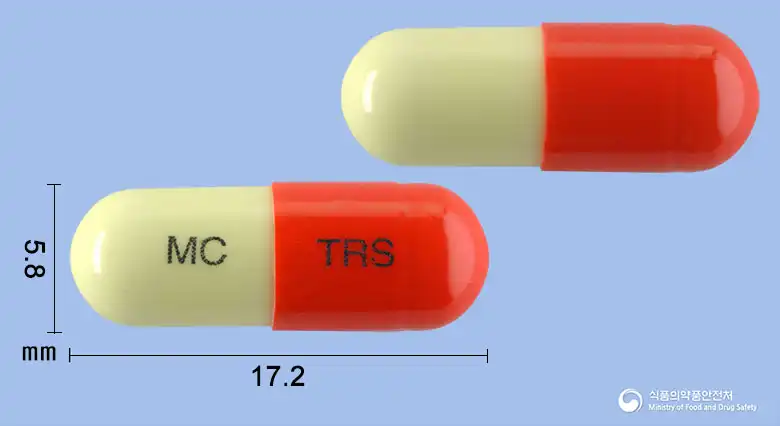
Tranexamic Acid 250mg
Hard capsule · Prescription medication
Macnulty Pharmaceutical Co., Ltd.
Even with the same ingredient, the dose and directions can differ by strength and dosage form. Talk to a doctor or pharmacist before switching from a medication you are already taking.
No questions yet.
For anything that needs medical judgment, consult a doctor or pharmacist.
This drug information is based on data provided by the Korea Ministry of Food and Drug Safety.
Consult a doctor or pharmacist for accurate dosage, administration, and usage instructions.