
 한국어
한국어 English
 日本語
日本語 中文(简体)
Dosage form image
Viewing nowTranexamic Acid Injection 250 mg
Tranexamic Acid 50mg
Prescription medication
Jeil Pharmaceutical Co., Ltd.
MFDS item code 198500369 · Notified 1985.01.04 · Insurance code 650500941
Improvement of bleeding tendency due to systemic and local fibrinolysis enhancement.
This medication is used to improve bleeding tendencies associated with systemic or local fibrinolysis enhancement. Systemic bleeding includes various causes such as leukemia, aplastic anemia, purpura, cancer, and abnormal bleeding during or after surgery. It is also effective for local bleeding situations such as pulmonary hemorrhage, genital bleeding, renal bleeding, and abnormal bleeding during or after prostate surgery. This medication is used to alleviate these bleeding symptoms to assist the patient's recovery.
As tranexamic acid, 250–500 mg per day divided into 1–2 intravenous or intramuscular injections. For bleeding during or after surgery, administer 500–1,000 mg intravenously or 500–2,500 mg via intravenous infusion as needed. Adjust dosage according to age and symptoms.
Care should be taken to avoid glass fragments when using the ampoule. Special caution is needed when children or the elderly use it. This medication should not be used in patients receiving thrombin, patients with thromboembolism, and patients with allergies to this medication or its components. Also, it should not be administered via intrathecal injection. Use with caution in patients with thrombosis or at risk of thrombosis, patients with bleeding disorders, patients who are bedridden after surgery, patients with impaired renal function, and specific blood coagulation disorders. When using this medication, it is important to monitor for rare occurrences of shock or allergic reactions, and if any abnormal symptoms appear, stop the administration immediately and seek appropriate treatment. Temporary visual disturbances, gastrointestinal symptoms, drowsiness, headache, etc. may occur. Caution is necessary as seizures have been reported during administration of this medication during cardiovascular surgery. There may also be serious side effects due to incorrect administration routes, so it must be administered correctly. Using this medication in combination with other drugs that can promote thrombosis may be risky, especially caution is needed when used together with anticoagulant medications or hormonal contraceptives. Patients using contraceptives are recommended to use non-hormonal alternative methods. During pregnancy, as this medication can cross the placenta, it should be used with caution, and while breastfeeding, although a small amount may pass into breast milk, it is expected to have little effect on the infant. Elderly patients may have decreased bodily functions, so it should be used with caution, such as reducing dosage. In case of overdose, symptoms like nausea, vomiting, and low blood pressure may occur, so it is important to stay hydrated and maintain kidney function. When administering, it should be injected slowly intravenously, as rapid injection may cause nausea, arrhythmias, low blood pressure, etc. This medication may undergo changes when mixed with certain other injections, so consult with a specialist before using together.
Not everyone experiences these, and they can vary from person to person.
Store this medication in a sealed container to prevent exposure to air or moisture. This will help maintain the drug's efficacy for a longer period.
An ampoule containing a colorless, clear solution.
50 ampoules/box [5 milliliters/ampoule], 10 ampoules/box [5 milliliters/ampoule]
Even with the same ingredient, strength, dosage form and how it is taken can differ.
Tranexamic Acid 50mg
Prescription medication
Jeil Pharmaceutical Co., Ltd.
Tranexamic Acid 100mg
Prescription medication
Jeil Pharmaceutical Co., Ltd.
Tranexamic Acid 500mg
Injections · Prescription medication
Shinpoong Pharmaceutical Co., Ltd.
Tranexamic Acid 100mg
Prescription medication
Korea Union Pharma Co., Ltd.
Tranexamic Acid 50mg
Prescription medication
Korea Union Pharmaceutical Co., Ltd.
Tranexamic Acid 250mg
Hard capsule · Prescription medication
Genupharm Co., Ltd.
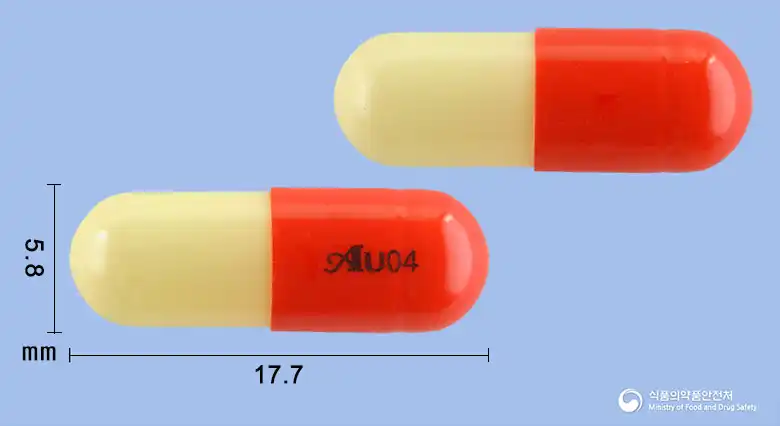
Tranexamic Acid 250mg
Hard capsule · Prescription medication
Austin Pharmaceutical Co., Ltd.
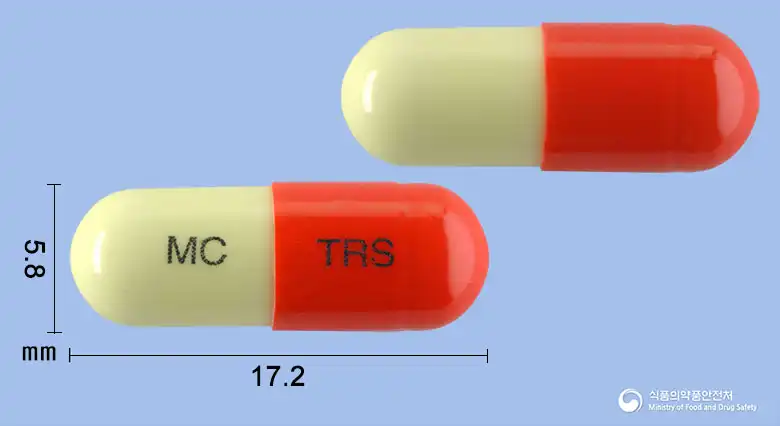
Tranexamic Acid 250mg
Hard capsule · Prescription medication
Macnulty Pharmaceutical Co., Ltd.
Even with the same ingredient, the dose and directions can differ by strength and dosage form. Talk to a doctor or pharmacist before switching from a medication you are already taking.
No questions yet.
For anything that needs medical judgment, consult a doctor or pharmacist.
This drug information is based on data provided by the Korea Ministry of Food and Drug Safety.
Consult a doctor or pharmacist for accurate dosage, administration, and usage instructions.