
 한국어
 English
 日本語
 中文(简体)
Dosage form image
Viewing nowJeil Warfarin Tablets (Warfarin Sodium)
Warfarin Sodium 5mg
Tablet · Prescription medication
Jeil Pharmaceutical Co., Ltd.
MFDS item code 198500306 · Notified 1985.05.28
This product's status changed to Approval withdrawn on 2024.07.04. It may no longer be sold, so consult a doctor or pharmacist before taking it.
Prevention and treatment of thrombosis and embolism, treatment of embolic atrial fibrillation, and adjunctive treatment of coronary artery occlusion
This medication is used for the prevention and treatment of venous thrombosis and pulmonary embolism. It is also effective as an adjunct in the treatment of embolic atrial fibrillation and coronary artery occlusion. These conditions help prevent blood clot formation in the bloodstream and improve circulation. Therefore, it is widely used for the treatment of various cardiovascular diseases related to thrombosis.
The dose varies among individuals according to PT/INR and specific genotypes of the CYP2C9 and VKORC1 genes (see 4. General Precautions under Precautions for Use). The usual initial dose is 2~5 mg per day as warfarin sodium, and the maintenance dose is 2~10 mg per day. A lower dose is recommended for elderly or debilitated patients.
This medication helps thin the blood to promote better blood flow. However, it should not be used by patients with active bleeding or those at high risk of bleeding, patients with severe liver or kidney disease, patients with severe hypertension, or pregnant women. Additionally, elderly or frail patients, patients with diabetes, and those with a history of gastrointestinal disease should use this medication with extra caution, and patients at high risk of bleeding need careful observation. During the use of this medication, symptoms of bleeding or unusual reactions may occur, so if you experience a nosebleed, hematuria, bruising, or vomiting blood, you should consult a healthcare professional immediately. This medication can also affect the liver or kidneys, so regular blood tests and liver function tests should be conducted, especially monitoring the blood coagulation levels. As this medication interacts with many other drugs, it is essential to inform the healthcare professional if you are taking other medications, as there is an increased risk of bleeding when taken with certain antifungal agents or non-steroidal anti-inflammatory drugs. It is safest for women who are pregnant or may become pregnant not to take this medication, and caution should be exercised in nursing mothers as it may affect the baby. In the event of an overdose, there may be severe bleeding, so if symptoms occur, seek medical attention immediately, and treatment such as vitamin K may be required. Finally, during the use of this medication, it is advisable to avoid activities that may result in falls or injuries.
Not everyone experiences these, and they can vary from person to person.
This medication may be sensitive to light, so it should be stored in an opaque container that does not allow light in. Additionally, it should be kept in a sealed container to prevent exposure to air and moisture to maintain its efficacy for a longer period.
This product is a colored tablet.
100 tablets/bottle
Even with the same ingredient, strength, dosage form and how it is taken can differ.
Warfarin Sodium 5mg
Tablet · Prescription medication
Jeil Pharmaceutical Co., Ltd.
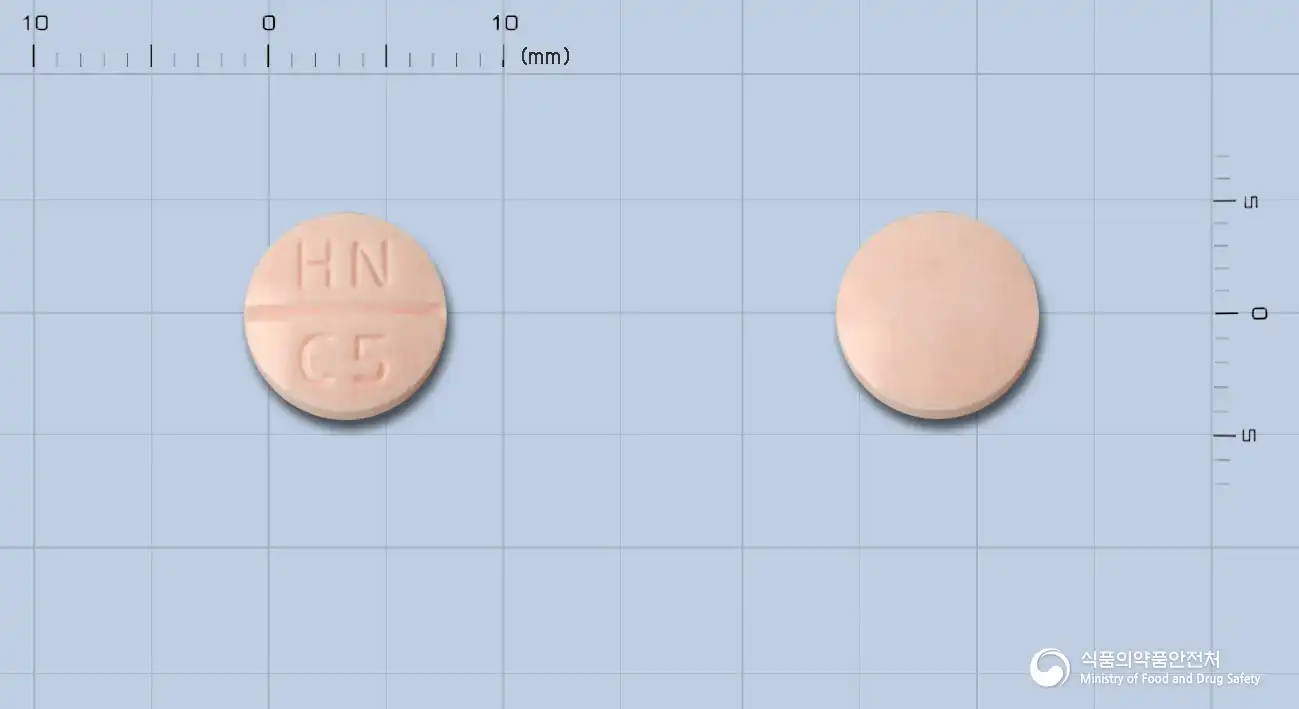
Warfarin Sodium 5mg
Tablet · Prescription medication
Hana Pharmaceutical Co., Ltd.
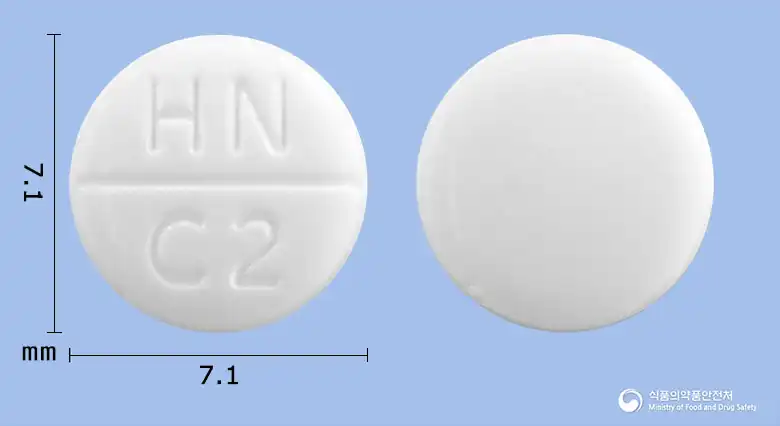
Warfarin Sodium 2mg
Tablet · Prescription medication
Hana Pharmaceutical Co., Ltd.
Even with the same ingredient, the dose and directions can differ by strength and dosage form. Talk to a doctor or pharmacist before switching from a medication you are already taking.
No questions yet.
For anything that needs medical judgment, consult a doctor or pharmacist.
This drug information is based on data provided by the Korea Ministry of Food and Drug Safety.
Consult a doctor or pharmacist for accurate dosage, administration, and usage instructions.