
 한국어
한국어 English
 日本語
日本語 中文(简体)
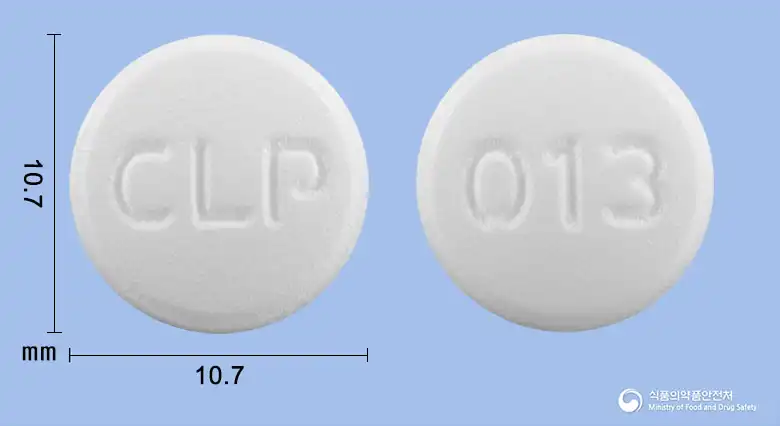 Viewing now
Glucanil Tablets (Metformin Hydrochloride)
Metformin Hydrochloride 500mg
Tablet · Prescription medication
(Celltrion Pharmaceuticals)
MFDS item code 198500241 · Notified 1985.08.31 · Insurance code 693900350
Improvement of type 2 diabetes (blood sugar control)
This medication is used in the treatment of type 2 diabetes patients whose blood sugar control is insufficient with diet and exercise therapy, especially in overweight individuals. In adults, it can be used alone or in combination with other oral hypoglycemic agents or insulin to help control blood sugar levels. It is also safe for use in children aged 10 and older, either as monotherapy or in combination with insulin. This medication effectively supports diabetes management by improving blood sugar control.
The dosing regimen should be individualized based on the drug's efficacy and tolerability, and it should not exceed the recommended maximum daily dose. This medication should be started at a low dose to reduce gastrointestinal side effects and ascertain the minimum effective dose necessary for adequate blood sugar control, with administration of 500 mg 2 to 3 times daily with meals. The dose may be increased gradually by 500 mg each week, up to 20
This medication can be used in children aged 10 years and older. The general starting dose is 500 mg once daily taken during or after meals. Blood sugar levels should be measured after one week to adjust the dosage.
This medication helps in controlling blood sugar and is primarily used in patients with type 2 diabetes. Caution should be exercised as serious side effects such as severe lactic acidosis or hypoglycemia may occur during treatment. Lactic acidosis, although rare, can be a life-threatening condition characterized by abnormally high levels of lactic acid in the blood and decreased blood acidity. Patients with moderate to severe renal impairment or acute kidney injury should not take this medication. Additionally, patients with acute myocardial infarction, heart failure, serious infections, or dehydration should avoid its use. This medication should be temporarily discontinued before and after tests involving iodinated contrast media, and it should only be restarted once renal function is confirmed as normal. Patients who have had an allergic reaction to this medication or similar medications should not take it, and it is also not indicated for patients with type 1 diabetes or a history of ketoacidosis. The medication should be stopped within 48 hours prior to surgery and may be resumed once kidney function is confirmed as normal post-surgery. Side effects may include gastrointestinal disturbances, metallic taste, rash, anemia, liver function abnormalities, and hypoglycemia, with gastrointestinal symptoms being particularly common during the initial treatment phase. These symptoms usually dissipate over time; however, if they become severe, medical advice should be sought. Regular monitoring of kidney function is necessary, and the medication should be discontinued if there is a deterioration in renal function. Excessive alcohol consumption should be avoided as it may increase the risk of lactic acidosis. Periodic checks on blood sugar control should be performed, and in cases of sudden health changes, infections, or surgeries, medication adjustments may be necessary in consultation with a healthcare professional. This medication may interact with other drugs, so it is essential to inform healthcare providers of any other medications being taken, especially hypoglycemic agents, diuretics, antihypertensives, and certain antibiotics. During pregnancy, the effects on the fetus have not been fully elucidated; therefore, women who are pregnant or planning to become pregnant should consult a doctor before use. If breastfeeding, caution is advised as this medication may be excreted in breast milk and could potentially affect the newborn, requiring a careful decision on whether to continue breastfeeding or discontinue the medication. Elderly patients may have a higher likelihood of decreased renal function, therefore appropriate dose adjustments and regular kidney function tests are necessary. In case of overdose, hypoglycemia is not typically induced; however, accumulation of the medication in the body may occur, warranting immediate medical treatment, and dialysis may be helpful. This medication can assist in controlling blood sugar levels without weight gain, and it is important to maintain a consistent diet and exercise routine while taking it. Lastly, this medication should be kept out of reach of children, and it is advisable not to transfer it to another container.
Lactic acidosis (associated with acute renal failure, cardiopulmonary disease, sepsis), severe allergic reactions (such as rash), liver dysfunction (liver function abnormalities), hypoglycemia, acute renal failure, elevated blood pressure and severe edema, severe neurological symptoms, respiratory issues
Gastrointestinal symptoms (diarrhea, nausea, vomiting, abdominal distension, loss of appetite, dyspepsia, constipation, abdominal pain), metallic taste, rash, anemia, leukopenia, thrombocytopenia, vitamin B12 deficiency, liver function abnormalities, hypoglycemia, delayed hypoglycemia
Not everyone experiences these, and they can vary from person to person.
This medication should be stored in a tightly sealed container to prevent exposure to air and moisture. The recommended storage temperature is room temperature between 1 degree and 30 degrees Celsius. This ensures the medication's efficacy and safety are maintained for an extended period.
White round film-coated tablet
500 tablets/bottle
Even with the same ingredient, strength, dosage form and how it is taken can differ.
Viewing nowMetformin Hydrochloride 500mg
Tablet · Prescription medication
(Celltrion Pharmaceuticals)
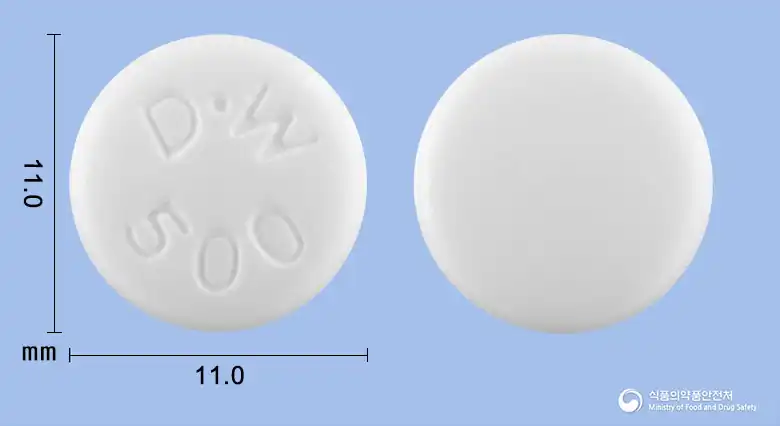
Metformin Hydrochloride 500mg
Tablet · Prescription medication
(Daewoong Pharmaceutical)
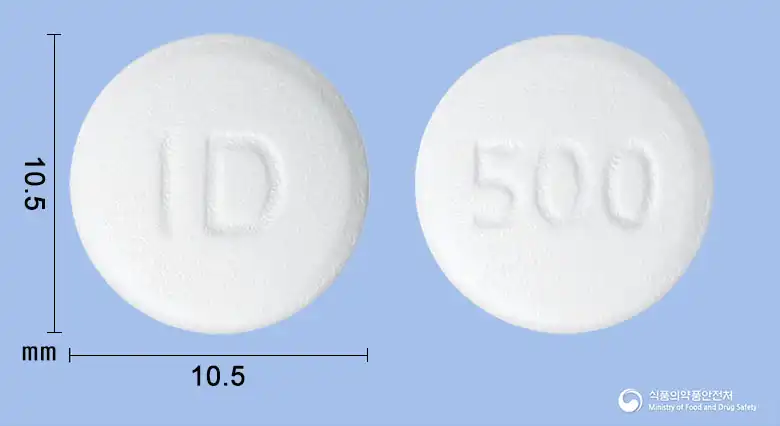
Metformin Hydrochloride 500mg
Tablet · Prescription medication
(Ildong Pharmaceutical Co., Ltd.)
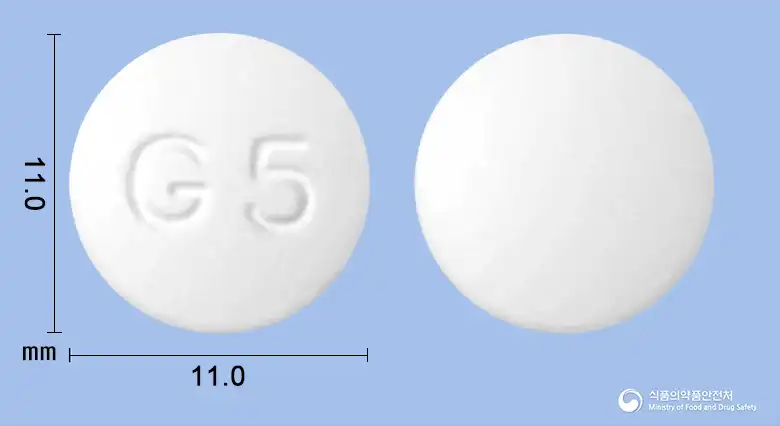
Metformin Hydrochloride 500mg
Tablet · Prescription medication
(Ilseong IS Co., Ltd.)
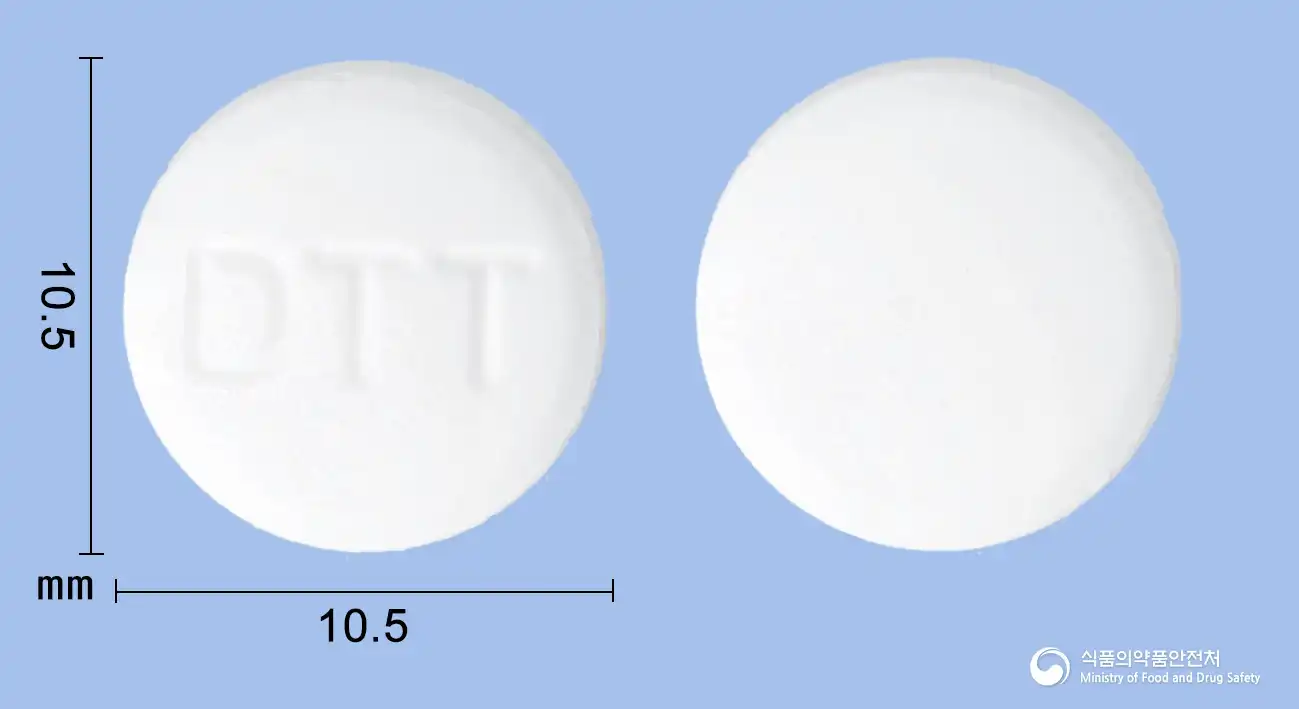
Metformin Hydrochloride 500mg
Tablet · Prescription medication
(Kyungdong Pharmaceutical Co., Ltd.)
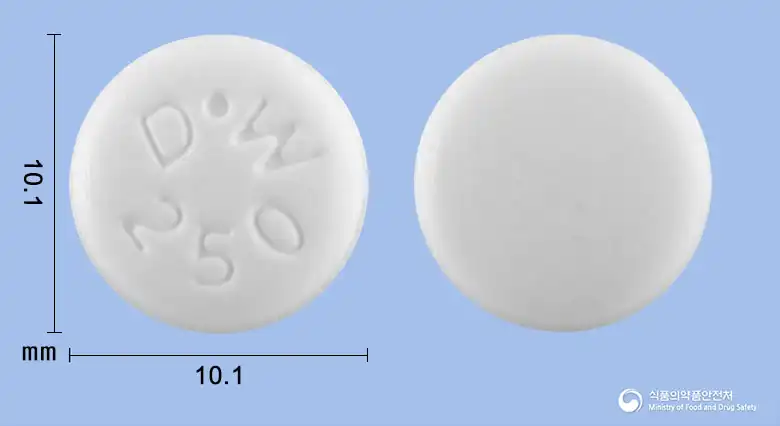
Metformin Hydrochloride 250mg
Tablet · Prescription medication
(Daewoong Pharmaceutical)

Metformin Hydrochloride 500mg
Tablet · Prescription medication
(Youngpoong Pharmaceutical Co., Ltd.)
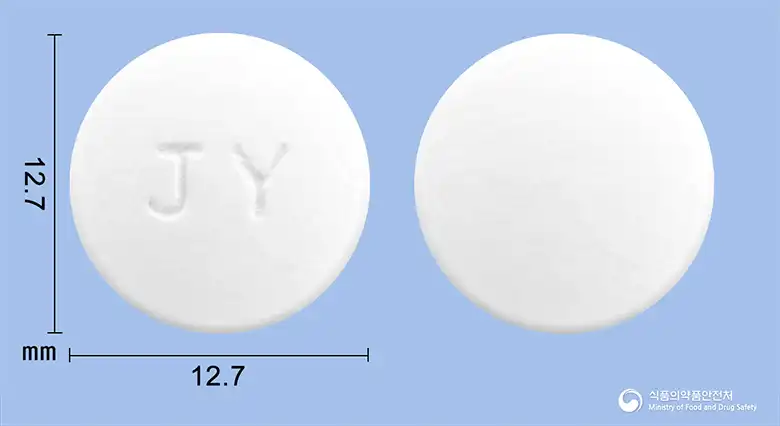
Metformin Hydrochloride 500mg
Tablet · Prescription medication
(Jinyang Pharmaceutical Co., Ltd.)
Even with the same ingredient, the dose and directions can differ by strength and dosage form. Talk to a doctor or pharmacist before switching from a medication you are already taking.
No questions yet.
For anything that needs medical judgment, consult a doctor or pharmacist.
This drug information is based on data provided by the Korea Ministry of Food and Drug Safety.
Consult a doctor or pharmacist for accurate dosage, administration, and usage instructions.