
 한국어
한국어 English
 日本語
日本語 中文(简体)
 Viewing nowCombination
Hyundai Tenoretic Tablet
Atenolol 50mg · Chlorthalidone 12.5mg
Tablet · Prescription medication · Combination
Hyundai Pharmaceutical Co., Ltd.
MFDS item code 198301004 · Notified 1983.05.16 · Insurance code 642001340
Effect on blood pressure control and prevention of cardiovascular complications
This medication is used for hypertension, which is a typical blood pressure-related condition.
In adults, 1 tablet is taken orally once daily. For patients with renal impairment, the dosage should be reduced or the dosing interval increased. Adjust the atenolol dosage according to creatinine clearance (mL/min/1.73㎡). When creatinine clearance is 15-35, the dosage is 50 mg once daily; when it is less than 15, administer 50 mg every other day. The dosage may be adjusted as appropriate based on age and symptoms.
This medication should not be used in patients with allergies to specific components or sulfonamide drugs. Patients with bradycardia or cardiac conduction disorders, those in cardiogenic shock or with hypotension should not take this medication. Patients with severe metabolic acidosis or severe peripheral arterial circulation disorders, as well as those with syndrome of inappropriate antidiuretic hormone secretion, should also be cautious. Furthermore, patients with pheochromocytoma or poorly controlled heart failure, patients who do not produce urine at all, and pregnant or breastfeeding women should not take this medication. For patients clearly diagnosed with heart failure, the administration of this medication is not recommended, and it should be used with caution even when symptoms are controlled. Patients with asthma or obstructive airway diseases should consult a physician before taking this medication, as it may induce bronchospasms. Patients with severely impaired liver or kidney function and those with electrolyte imbalances should also be cautious. During treatment, blood potassium levels may decrease; therefore, patients with heart disease or those taking specific medications require regular monitoring. Additionally, patients at risk of diabetes should periodically check their blood sugar levels. This medication may rarely cause a significantly slow heart rate and can mask the symptoms of hyperthyroidism. Patients with heart disease should not abruptly stop taking this medication, and patients with a history of allergies should be cautious as serious hypersensitivity reactions may occur. This medication can interact with other drugs, especially antiarrhythmics, anesthetics, lithium, calcium channel blockers, clonidine, digitalis, adrenaline, anti-inflammatory analgesics, and hypoglycemic agents, so it must be taken under physician guidance. Pregnant or breastfeeding women are advised not to take this medication as it may be harmful to the fetus or baby, and in unavoidable cases, breastfeeding should be discontinued. Safety in children has not been established; therefore, its use is not advisable. In case of overdose, symptoms such as decreased heart rate, hypotension, acute heart failure, and bronchospasms may occur, and immediate medical intervention is necessary.
Includes hypersensitivity reactions such as urticaria, angioedema, bradycardia, severe edema, bronchospasm (asthma attack), confusion, headache (potential serious neurological symptoms), altered consciousness, visual disturbances
Not everyone experiences these, and they can vary from person to person.
This medication is sensitive to light, so it should be stored in a container that can block light. Additionally, it is important to store the medication at a normal temperature that is neither too hot nor too cold.
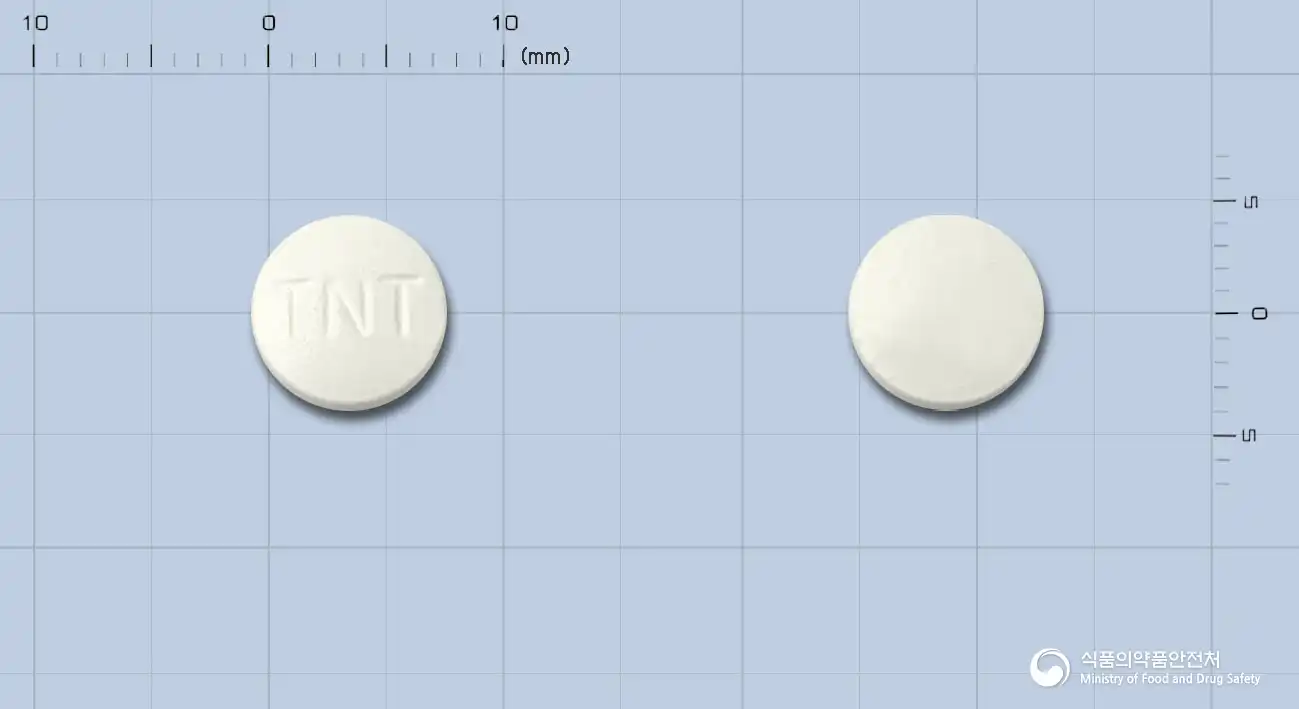
Almost white, biconvex, round film-coated tablet
30 tablets/bottle, 100 tablets/bottle
Even with the same ingredient, strength, dosage form and how it is taken can differ.
Viewing nowCombinationAtenolol 50mg · Chlorthalidone 12.5mg
Tablet · Prescription medication · Combination
Hyundai Pharmaceutical Co., Ltd.
Atenolol · Chlorthalidone
Prescription medication · Combination
Celix Co., Ltd.
Atenolol · Chlorthalidone
Prescription medication · Combination
Youngpoong Pharmaceutical Co., Ltd.
Atenolol 50mg · Chlorthalidone 12.5mg
Tablet · Prescription medication · Combination
Shinil Pharmaceutical Co., Ltd.
Atenolol · Chlorthalidone
Prescription medication · Combination
Korea Hutech Pharmaceutical Co., Ltd.
Atenolol · Chlorthalidone
Prescription medication · Combination
HanKook Pabis Pharmaceutical Co., Ltd.
Even with the same ingredient, the dose and directions can differ by strength and dosage form. Talk to a doctor or pharmacist before switching from a medication you are already taking.
No questions yet.
For anything that needs medical judgment, consult a doctor or pharmacist.
This drug information is based on data provided by the Korea Ministry of Food and Drug Safety.
Consult a doctor or pharmacist for accurate dosage, administration, and usage instructions.