
 한국어
 English
 日本語
 中文(简体)
Summary
- Main use
- Treatment of bone marrow depletion due to aplastic anemia and myelofibrosis
- Who takes it
- Adults
- Adult dose
- The recommended dose is usually 1 ~ 5 mg of oxymetholone per kg of body weight per day orally in adults. The usual effective dose is 1 ~ 2 mg per kg of body weight per day. Adjust the dose appropriately according to symptoms.
Ingredients
- Manufacturer
- Celltrion Pharmaceutical Co., Ltd.
Efficacy & effects
Treatment of bone marrow depletion due to aplastic anemia and myelofibrosis
- Aplastic anemia
- depletion of the bone marrow due to myelofibrosis
View approved original textHide original text
This medication is used to improve the functional impairment or depletion of the bone marrow caused by aplastic anemia and myelofibrosis. It primarily helps in the treatment of conditions where blood cells are not properly produced in the bone marrow. Therefore, this drug is effective in restoring blood-generating function and alleviating symptoms related to anemia.
How to take
Adult dose
The recommended dose is usually 1 ~ 5 mg of oxymetholone per kg of body weight per day orally in adults. The usual effective dose is 1 ~ 2 mg per kg of body weight per day. Adjust the dose appropriately according to symptoms.
Precautions
This medication can cause serious issues in the liver, so caution should be exercised, especially in patients with liver diseases. Blood may accumulate in the liver leading to cysts or liver cell tumors, and in severe cases, there is a risk of liver failure or intra-abdominal bleeding. Additionally, this drug can alter blood lipid levels, increasing the risk of atherosclerosis and coronary artery disease. Patients with androgen-dependent tumors or suspected conditions, patients with poor liver function, pregnant women or women who may become pregnant, patients with kidney disease, women with hypercalcemia breast cancer, and individuals allergic to this medication should avoid using it. Also, patients with lactose intolerance or specific genetic metabolic disorders should not be administered this medication. Caution should be exercised when used in patients with prostate enlargement, elderly patients with heart or kidney conditions, diabetic patients, and children. This medication can cause various side effects including abnormal liver function, menstrual disturbances, penis and breast-related abnormalities, allergic reactions, gastrointestinal disturbances, central nervous system symptoms, skin rashes, hair loss, etc. In particular, prolonged use can lead to liver tumors or peliosis hepatis, so regular liver function tests should be conducted, and immediate action should be taken if any abnormal signs appear. Furthermore, it can affect blood coagulation, increasing the risk of bleeding, so when used with anticoagulants, dose adjustment and careful monitoring are required. Pregnant or breastfeeding women should not use this medication, and particularly due to the risk of virilization of female fetuses, women who may become pregnant should avoid taking it. When administered to children, careful observation is needed as it may lead to premature closure of growth plates or precocious puberty. Elderly patients should be used cautiously as fluid retention and hypercalcemia can easily occur. This drug can affect liver function, blood tests, blood sugar, and glucose tolerance tests, so regular clinical examinations are needed. Finally, cases of liver tumors and peliosis hepatis have been reported in patients who used this drug in large doses over extended periods, necessitating extra caution.
Side effects
- Liver cirrhosis
- liver failure
- abdominal hemorrhage
- hepatocellular tumor
- cholestatic jaundice
- liver necrosis
- elevated AST
- elevated ALT
- delayed BSP excretion
- menstrual irregularities
Show 47 moreCollapse
- clitoral enlargement
- increased leukorrhea
- breast engorgement
- nipple hypersensitivity
- facial seborrhea
- penile enlargement
- impotence
- chronic penile erection
- decreased sperm
- decreased semen
- gynecomastia
- testicular atrophy
- bladder irritation
- epididymitis
- erectile dysfunction
- oligospermia
- increased libido
- decreased libido
- hypersensitivity symptoms
- nausea
- vomiting
- constipation
- diarrhea
- headache
- dizziness
- excitement
- insomnia
- thirst
- heaviness in the head
- rash
- acne
- pigmentation
- male-pattern hirsutism
- alopecia
- hair loss
- iron deficiency anemia
- bleeding
- hoarseness
- chills
- edema
- facial flushing
- fatigue
- myalgia
- shoulder stiffness
- oral numbness
- serum electrolyte retention
- impaired glucose tolerance
Not everyone experiences these, and they can vary from person to person.
Storage
This medication should be kept in a tightly closed container to prevent exposure to air or moisture and should be stored at a safe temperature between 1 degree and 30 degrees Celsius. Proper storage will help maintain the medication's efficacy for a longer duration.
Appearance and packaging
Appearance
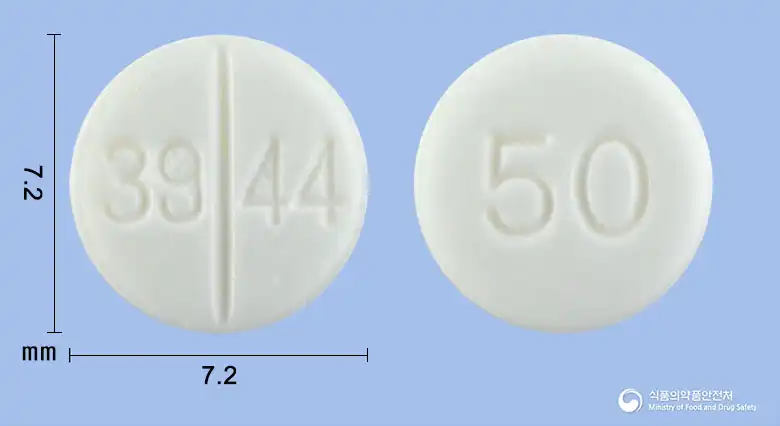
White to off-white round tablets
Package unit
100 tablets/bottle
Questions about this medicine
No questions yet.
For anything that needs medical judgment, consult a doctor or pharmacist.