
 한국어
 English
 日本語
 中文(简体)
 Viewing now
Operil 50 Sustained-Release Tablets (Orphenadrine Citrate 50 mg)
Orphenadrine Citrate 50mg
Tablet · Prescription medication
SaeHan Pharmaceutical Co., Ltd.
MFDS item code 198200707 · Approved 1982.05.07 · Insurance code 651300230
Adjunctive relief of acute musculoskeletal pain
This medication helps alleviate acute pain arising from musculoskeletal disorders when used alongside rest and physical therapy. It serves as an adjunctive treatment to control symptoms during severe pain, reducing discomfort for the patient. By using it in conjunction with these therapies, the effectiveness in pain relief can be enhanced.
(Oral: extended-release tablets) Adults: Administer 100 mg of orphenadrine citrate orally per dose, 2 times daily (morning and evening). Adjust the dose as appropriate according to age and symptoms. (Injection) Adults: Administer 60 mg of orphenadrine citrate per dose by intravenous or intramuscular injection. Doses may be repeated every 12 hours. Adjust the dose as appropriate according to age and symptoms.
This medication should not be used in patients with glaucoma. Patients with obstruction in the pylorus or duodenum should not take this medication. It should also not be administered to patients with stenosing peptic ulcers. Patients with prostatic hypertrophy or bladder neck obstruction are advised against using this medication. Patients suffering from esophageal spasm or megaesophagus should avoid this medication. It should not be given to patients with myasthenia gravis. Patients who have allergic reactions to this medication should avoid its use. Lactating women should not take this medication. Since this medication contains lactose, it should not be administered to patients with lactose intolerance or related genetic disorders. Patients with tachycardia or heart function issues should exercise caution when using this medication. Patients with megacolon or acute pulmonary edema should also use this medication with caution. This medication may first present symptoms of dry mouth due to its anticholinergic effects. Other symptoms may include increased heart rate, difficulty urinating, and blurred vision. Side effects such as headaches, dizziness, nausea, constipation, and drowsiness may also occur. Itching or allergic reactions, and rarely skin rashes, may develop. Very rarely, blood disorders or severe allergic reactions have been reported. Long-term use of this medication necessitates regular blood tests and evaluations of liver and kidney function for safety. Patients should avoid hazardous machinery or driving due to potential headaches or dizziness. Caution is required when this medication is taken alongside other drugs due to possible interactions. Particularly with certain antidepressants, antipsychotics, and Parkinson's disease treatments, the risk of side effects may be increased. The safety of this medication during pregnancy has not been established, thus medical judgment is required for its use. Lactating women are recommended not to take this medication. Safety and efficacy of this medication have not been confirmed in children, hence it is not prescribed for pediatric use. In the elderly, confusion may occasionally occur, so it is advisable to reduce the dosage of this medication.
Not everyone experiences these, and they can vary from person to person.
This medication should be stored in a tightly closed container to protect it from air and light. Additionally, it is best kept at room temperature between 1°C and 30°C.
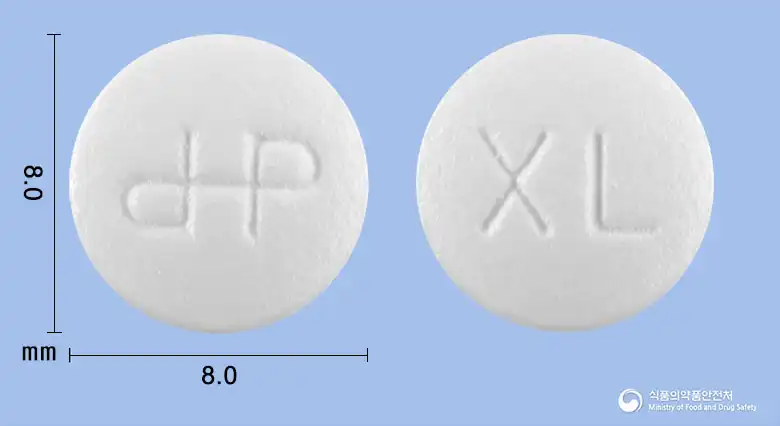
White to off-white sustained-release round tablets
30 tablets/bottle, 250 tablets/bottle
Even with the same ingredient, strength, dosage form and how it is taken can differ.
Viewing nowOrphenadrine Citrate 50mg
Tablet · Prescription medication
SaeHan Pharmaceutical Co., Ltd.

Orphenadrine Citrate 50mg
Tablet · Prescription medication
Allico Pharmaceutical Co., Ltd.
Orphenadrine Citrate 50mg
Tablet · Prescription medication
Daehwa Pharmaceutical Co., Ltd.
Even with the same ingredient, the dose and directions can differ by strength and dosage form. Talk to a doctor or pharmacist before switching from a medication you are already taking.
No questions yet.
For anything that needs medical judgment, consult a doctor or pharmacist.
This drug information is based on data provided by the Korea Ministry of Food and Drug Safety.
Consult a doctor or pharmacist for accurate dosage, administration, and usage instructions.