
 한국어
 English
 日本語
 中文(简体)
 Viewing now
Trittico 25 mg (Trazodone Hydrochloride)
Trazodone Hydrochloride 25mg
Tablet · Prescription medication
International Pharmaceutical Co., Ltd.
MFDS item code 198200118 · Notified 1982.09.14 · Insurance code 643702360
Improvement of symptoms of depression
This medication is used to treat depression.
The initial dose is 150 mg of trazodone hydrochloride orally per day, increasing by 50 mg every 3 to 4 days. Outpatients are not to exceed 400 mg per day, and inpatients (with severe depression) should not exceed 600 mg per day. Begin at a low dose and gradually increase following clinical response and intolerance. If drowsiness occurs, the majority of the dose can be taken at bedtime, and the dosage should be decreased.
This medication is primarily used as an antidepressant for the treatment of depression. Using this medication can increase the risk of suicidal thoughts or behaviors, especially in young people aged 18 to 24, so physicians should carefully assess the necessity and risks of treatment. This medication is not approved for use in children and adolescents, and should not be administered to children under 18 years of age. During treatment, patients should be closely monitored for abnormal behavioral changes such as suicidal thoughts or actions, aggression, or anger, and family members or caregivers should also closely observe the patient and consult a doctor immediately if any unusual signs occur. This medication may induce prolonged erections in approximately one-third of patients; in such cases, the use of the medication should be discontinued immediately and a doctor should be consulted. It should not be used by individuals with a known allergy to this drug or its components, certain heart diseases, alcohol abuse, or those taking certain medications. In particular, serious side effects may occur when used in conjunction with other psychiatric medications called MAO inhibitors, so nothing should be taken within 14 days before or after stopping an MAO inhibitor. Patients with heart disease, glaucoma, epilepsy, bipolar disorder, or liver or kidney dysfunction should use this medication with caution and regularly check their condition with a physician's guidance. This medication may cause drowsiness or decreased concentration, so driving or operating hazardous machinery should be avoided. Additionally, this medication can cause various side effects, including reduced blood cell count, allergic reactions, changes in blood pressure, dyspepsia, or liver function abnormalities, so if any adverse symptoms occur, medical advice should be sought immediately. Abrupt discontinuation of this medication may lead to withdrawal symptoms such as headaches, fatigue, anxiety, and sleep disturbances, so tapering off should be done gradually as directed by a physician. When taking this medication in conjunction with others, the risk of side effects may increase due to interactions, so all current medications should be reported to a physician with care. Women who are pregnant or breastfeeding should have thorough consultations with their physician when using this medication, and it is advisable to avoid use during breastfeeding or discontinue breastfeeding if possible. Elderly patients may have decreased bodily functions, so they should be careful and may need to reduce their dosage. Overdose of this medication can result in drowsiness, vomiting, heart irregularities, seizures, etc., so in case of an overdose, immediate medical attention should be sought. Finally, it is safe to keep this medication out of reach of children and not to transfer it to another container.
Not everyone experiences these, and they can vary from person to person.
This medication should be stored at room temperature in a tightly sealed container to prevent air from entering. Storing it this way can help maintain the drug's efficacy over time.
A blue round film-coated tablet.
30 tablets/bottle, 100 tablets/bottle, 500 tablets/bottle
Even with the same ingredient, strength, dosage form and how it is taken can differ.
Viewing nowTrazodone Hydrochloride 25mg
Tablet · Prescription medication
International Pharmaceutical Co., Ltd.

Trazodone Hydrochloride 50mg
Tablet · Prescription medication
International Pharmaceutical Co., Ltd.

Trazodone Hydrochloride 25mg
Hard capsule · Prescription medication
Hwanin Pharmaceutical Co., Ltd.
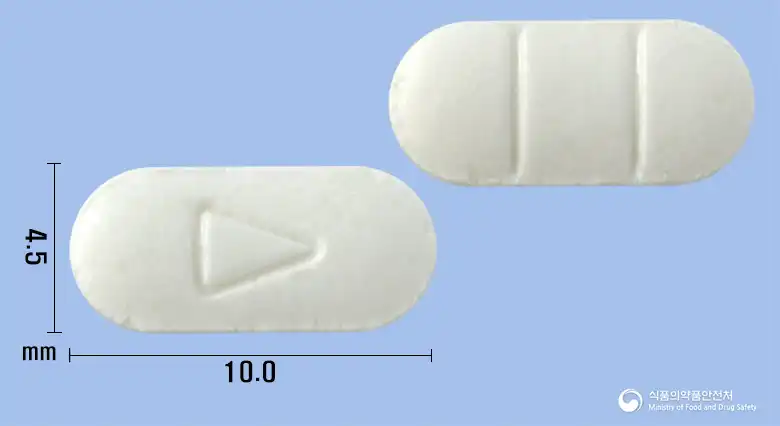
Trazodone Hydrochloride 75mg
Tablet · Prescription medication
Kukje Pharmaceutical Co., Ltd.

Trazodone Hydrochloride 25mg
Hard capsule · Prescription medication
Myung In Pharmaceutical Co., Ltd.
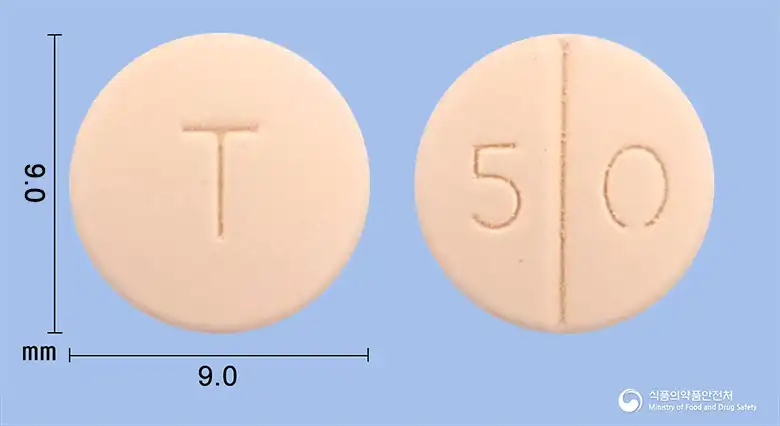
Trazodone Hydrochloride 50mg
Tablet · Prescription medication
Myeongin Pharmaceutical Co., Ltd.
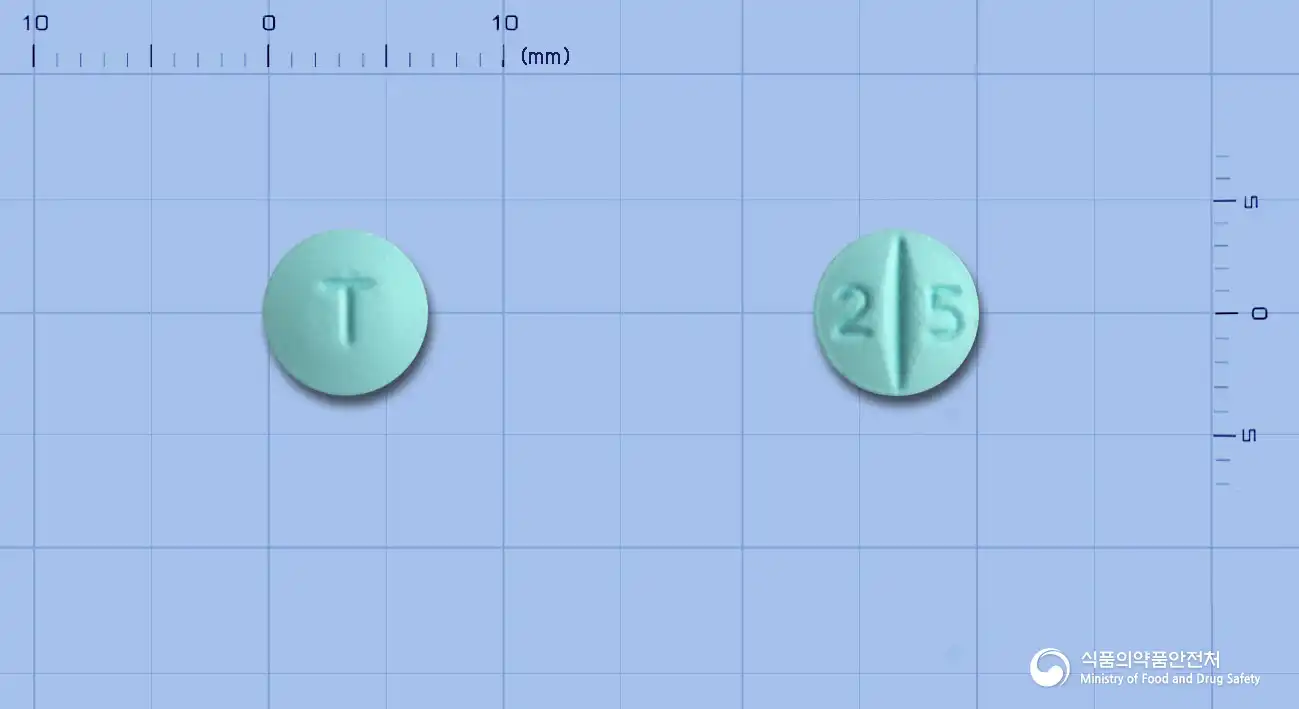
Trazodone Hydrochloride 25mg
Tablet · Prescription medication
Myeong In Pharmaceutical Co., Ltd.
Even with the same ingredient, the dose and directions can differ by strength and dosage form. Talk to a doctor or pharmacist before switching from a medication you are already taking.
No questions yet.
For anything that needs medical judgment, consult a doctor or pharmacist.
This drug information is based on data provided by the Korea Ministry of Food and Drug Safety.
Consult a doctor or pharmacist for accurate dosage, administration, and usage instructions.