
 한국어
 English
 日本語
 中文(简体)
 Viewing now
Centil Tablet 5 mg (Clobazam)
Clobazam 5mg
Tablet · Prescription medication
HanDoc Co., Ltd.
MFDS item code 198100711 · Approved 1981.02.12 · Insurance code 652100530
Adjunctive treatment of epilepsy; relief of anxiety and tension (e.g., sleep disorders)
This medication helps alleviate anxiety and tension in patients. It is particularly effective for anxiety and tension arising from various conditions such as psychosomatic disorders, autonomic nerve disorders, sleep disturbances, and organic disorders. Additionally, it is used as an adjunctive therapy for patients with epilepsy who are not adequately controlled with monotherapy. Overall, it is used to improve anxiety and tension states and assist in the treatment of epilepsy.
The dose and duration of treatment should be adjusted according to the indication, severity of the disease, and the patient's clinical symptoms; use the lowest possible dose. * Adults 1) The initial dose is 10mg of clobazam per dose, administered orally twice daily (morning and evening). If necessary, administer 30mg/day; once symptoms improve, administer a maintenance dose of 10‐20mg/day. If sleep disturbance is the predominant symptom, administer 20mg 1‐2 hours before bedtime. 2) Adjunctive treatment of epilepsy: The initial dose is 20‐30mg/day. If necessary, up to 60mg/day may be administered. Once symptoms improve, administer the maintenance dose. The dose may be reduced as symptoms improve. After long-term treatment with this medicine, treatment must not be stopped abruptly; the dose should be reduced gradually under medical supervision. Otherwise, withdrawal symptoms may occur.
Children (3 years and older), older adults, and debilitated patients: Administer 1/2 of the adult dose. Adjust the dose as appropriate according to age and symptoms. Because children and older adults may have increased susceptibility and response to adverse reactions, treatment should be started at a low dose and the dose increased gradually under close observation.
This medication should not be taken with alcohol during treatment, as its sedative effect may be enhanced, leading to increased side effects. Caution is required when used with narcotics, as it may cause severe sedation, respiratory depression, coma, and even death; therefore, it should only be used if absolutely necessary at the minimum dose and for a short duration. This medication may cause memory impairment, particularly difficulty in forming new memories, with a higher risk associated with higher doses. Prolonged use or abrupt discontinuation may lead to withdrawal symptoms or worsening of symptoms, so it is advisable to gradually reduce the dosage when discontinuing treatment. During pregnancy, it should only be used if absolutely necessary due to risks to the fetus, and it is advisable not to use it during early pregnancy and breastfeeding. Individuals with alcohol or drug dependency, severe respiratory or liver dysfunction, or certain genetic conditions should not use this medication. Severe allergic reactions affecting the skin may occur, so skin condition should be monitored closely during the first 8 weeks of treatment. Caution is necessary in cases of muscle weakness, and there may be a risk of respiratory depression with high-dose administration, necessitating regular assessment of respiratory function in patients with weak respiratory capacity. This medication may cause drowsiness, dizziness, muscle weakness, and other side effects, so caution is advised when driving or operating machinery. Taking this medication with other central nervous system depressants or specific medications may enhance its effects; therefore, it is necessary to consult with a physician. Pregnant or breastfeeding women should avoid using this medication, as it can cross the placenta or be transmitted through breast milk, potentially affecting the newborn. Use in children should be restricted to those aged 3 years and older, and children aged 6 months to 3 years should not use it except in special cases. Elderly individuals may be more sensitive to the side effects of this medication, so a reduced dosage is recommended. In cases of overdose, serious symptoms such as decreased consciousness, respiratory depression, and coma may occur, necessitating immediate emergency treatment.
Sedation, drowsiness, blunted emotions, dizziness, fine tremors of the fingers, delayed reaction time, ataxia, confusion, headache, muscle weakness, altered consciousness, speech disturbances, instability in walking and other motor functions, decreased libido, amnesia, inappropriate behavior, restlessness, anxiety, neuroticism, acute anxious state, anxiety, suicidal tendencies, muscle cramps, sleep onset and maintenance disorders, aggression, delusions, anger, nightmares, hallucinations, psychosis, depression, tolerance, dependence, diplopia, eye twitching, respiratory depression, dry mouth, constipation, decreased appetite, nausea, rash, urticaria, Stevens-Johnson syndrome, toxic epidermal necrolysis, weight gain, urinary retention, hypothermia
Not everyone experiences these, and they can vary from person to person.
This medication should be stored in a tightly sealed container to protect it from air and moisture, avoiding direct sunlight and keeping it at room temperature. Following these storage guidelines will help maintain the efficacy of the medication for a long time.
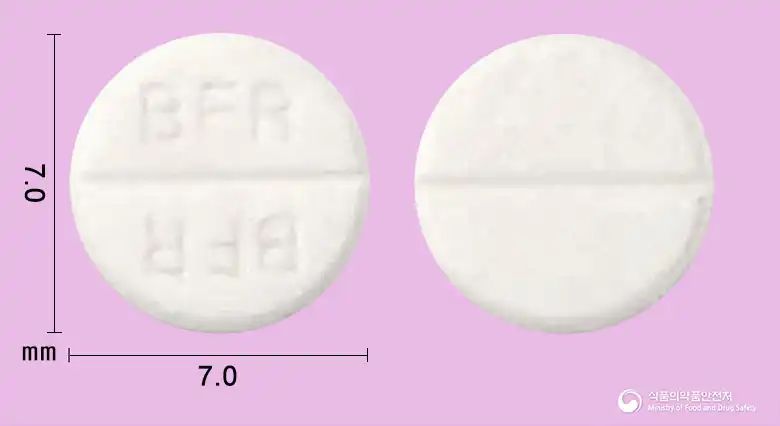
White round tablet
10 tablets, PTP packaging x10
Even with the same ingredient, strength, dosage form and how it is taken can differ.
Even with the same ingredient, the dose and directions can differ by strength and dosage form. Talk to a doctor or pharmacist before switching from a medication you are already taking.
No questions yet.
For anything that needs medical judgment, consult a doctor or pharmacist.
This drug information is based on data provided by the Korea Ministry of Food and Drug Safety.
Consult a doctor or pharmacist for accurate dosage, administration, and usage instructions.