
 한국어
 English
 日本語
 中文(简体)
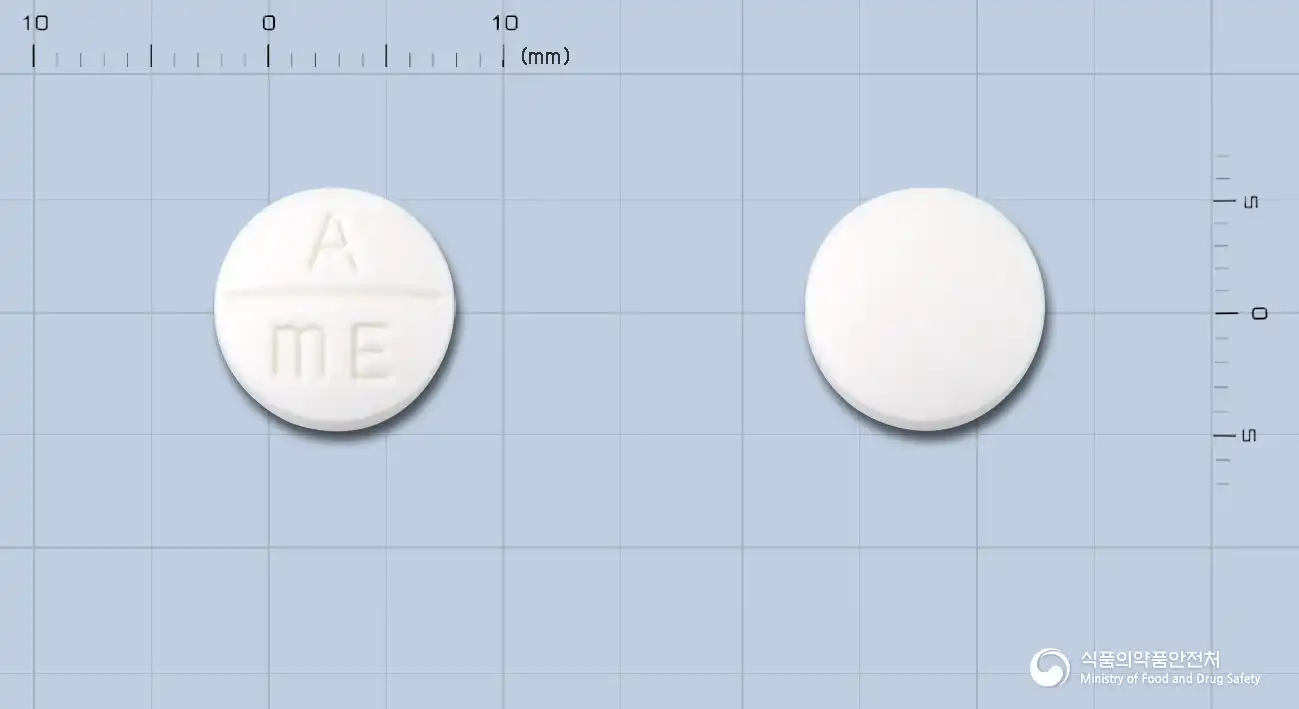
Summary
- Main use
- Treatment of tachyarrhythmia, hypertension, and angina
- Who takes it
- Adults
- Adult dose
- 1. Hypertension 1) Initial dose: Adults should take 100㎎ of metoprolol tartrate orally once daily in the morning or in 2 divided doses in the morning and evening. 2) Maintenance dose: Administer 100-200㎎ daily once in the morning or in 2 divided doses in the morning and evening. If necessary, the dose may be increased to 400㎎ daily. It may be used in combination with another diuretic or antihypertensive. 2. Angina: Administer 50-100㎎ of this medicine per dose, 2-3 times daily. 3. Tachyarrhythmia: Initially, administer 50㎎ of this medicine per dose, 2 times daily. If necessary, the dose may be increased to 300㎎ daily and given in 2-3 divided doses. Adjust the dose as appropriate according to age and symptoms.
Ingredients
- Manufacturer
- Yuhan Corporation
Efficacy & effects
Treatment of tachyarrhythmia, hypertension, and angina
- Hypertension
- angina pectoris
- tachyarrhythmia
- arrhythmia with loss of function
View approved original textHide original text
This medication is used to treat hypertension, angina pectoris, and particularly tachyarrhythmias such as arrhythmias with loss of function.
How to take
Adult dose
1. Hypertension 1) Initial dose: Adults should take 100㎎ of metoprolol tartrate orally once daily in the morning or in 2 divided doses in the morning and evening. 2) Maintenance dose: Administer 100-200㎎ daily once in the morning or in 2 divided doses in the morning and evening. If necessary, the dose may be increased to 400㎎ daily. It may be used in combination with another diuretic or antihypertensive. 2. Angina: Administer 50-100㎎ of this medicine per dose, 2-3 times daily. 3. Tachyarrhythmia: Initially, administer 50㎎ of this medicine per dose, 2 times daily. If necessary, the dose may be increased to 300㎎ daily and given in 2-3 divided doses. Adjust the dose as appropriate according to age and symptoms.
Precautions
This medication should not be used in patients with certain conditions. For example, it is contraindicated in patients with very slow heart rates or conduction problems, severe hypotension, heart failure, and in pregnant or potentially pregnant women. Caution is needed when administering this medication to patients with asthma, diabetes with poor blood sugar control, impaired liver or kidney function, peripheral circulation disorders, children, and the elderly. During treatment, allergic reactions such as itching or rash may occur, and if these symptoms arise, the medication should be discontinued immediately. Additionally, cardiovascular issues such as slowed heart rate or low blood pressure, as well as shortness of breath or asthma symptoms, may occur, so monitoring is essential. Neurological symptoms such as dizziness, headache, insomnia, and depression may also arise, so it is advisable to avoid driving or operating dangerous machinery. This medication can interact with other drugs, so it is crucial to consult with a physician or pharmacist when taken in combination with antihypertensives, antidiabetics, antidepressants, etc. It is safest for pregnant or breastfeeding women to avoid this medication, and particularly for women who may become pregnant to consult with healthcare providers before use. Children and the elderly may be more sensitive to the side effects of this medication, so starting with a lower dose and closely monitoring their condition is recommended. In cases of overdose, symptoms such as arrhythmias, low blood pressure, difficulty breathing, and consciousness disorders may appear, requiring immediate medical attention for appropriate treatment. The prescribed methods and dosages should be strictly followed, and care must be taken not to arbitrarily discontinue or alter the dose.
Side effects
- Rash
- itching
- bradycardia
- atrioventricular block
- congestive heart failure
- hypotension
- palpitations
- peripheral circulatory disorder
- cardiac dysfunction
- cardiogenic shock
Show 43 moreCollapse
- asthma-like attacks
- shortness of breath
- nasal congestion
- dizziness
- headache
- insomnia
- drowsiness
- depression
- nightmares
- hallucinations
- nausea
- vomiting
- abdominal pain
- loss of appetite
- constipation
- diarrhea
- heartburn
- dry mouth
- abdominal distension
- decreased tear production
- blurred vision
- conjunctivitis
- liver dysfunction
- jaundice
- hepatitis
- psoriasis
- psoriasiform rash
- thrombocytopenia
- malaise
- edema
- fatigue
- chest tightness
- tinnitus
- decreased libido
- hair loss
- sweating
- increased triglycerides
- Peyronie's disease
- weight gain
- hypoglycemia
- hypokalemia
- cyanosis
- altered consciousness
Not everyone experiences these, and they can vary from person to person.
Storage
This medication is sensitive to air and moisture, so it should be stored in a tightly closed container. It is advisable to maintain a room temperature between 1 degree and 30 degrees Celsius. This helps preserve the medication's efficacy and safety.
Appearance and packaging
Appearance
White, round tablets.
Package unit
30 tablets/bottle
Questions about this medicine
No questions yet.
For anything that needs medical judgment, consult a doctor or pharmacist.