
 한국어
 English
 日本語
 中文(简体)
Dosage form image
Viewing nowEpilan Tablets (Sodium Valproate)
Sodium Valproate 200mg
Prescription medication
Samjin Pharmaceutical Co., Ltd.
MFDS item code 198000301 · Notified 1980.10.08 · Insurance code 647801720
This product's status changed to Approval withdrawn on 2025.11.13. It may no longer be sold, so consult a doctor or pharmacist before taking it.
Prevention and treatment of epilepsy (absence and partial seizures, etc.) and associated personality and behavioral disorders
This medication is used to prevent and treat various forms of epilepsy, such as absence seizures (petit mal seizures), partial seizures (focal seizures), psychomotor seizures, and mixed seizures. It is also effective in preventing and treating personality and behavior disorders associated with epilepsy. It can help control the patient’s seizures and alleviate symptoms, so you can take it with confidence.
Adults: Administer 400-1200㎎ of sodium valproate daily orally in 2-3 divided doses. Adjust the dose as appropriate according to age and symptoms.
This medication should not be used in pregnant women except in special cases. Women of childbearing potential should strictly adhere to a pregnancy prevention program before taking this medication. Care should be taken when using this medication along with hormonal contraceptives containing estrogen, as it may lower the blood concentration of this medication. During the use of this medication, mental health conditions such as suicidal thoughts or actions and depression should be carefully monitored. Patients with liver or pancreatic dysfunction should not take this medication, and if symptoms of liver damage or pancreatitis appear, medical personnel should be notified immediately. Special care should be taken when administering this medication alone to children under the age of 3, and concomitant use with salicylate derivatives should be avoided. Regular liver function tests are required while taking this medication, particularly periodic testing is crucial during the first 6 months. Blood tests are also necessary, and extra caution should be exercised if there is thrombocytopenia or a tendency for bleeding. Do not suddenly stop taking the medication, and any dosage adjustments should be discussed with medical personnel. This medication has many drug interactions, so if you are taking any other medications, you must inform medical personnel. Care should also be taken when taking it with alcohol or other central nervous system depressants, as it can exacerbate drowsiness or central nervous system suppression symptoms. Women who are planning a pregnancy or who may become pregnant should consult with medical personnel before taking this medication and should use effective contraceptive methods. Breastfeeding women should also consult with medical personnel before deciding to take this medication, as it may affect the infant. Special attention is required when administering this medication to children and the elderly, and dosage adjustments and monitoring of conditions are essential. In case of overdose, symptoms such as coma, sedation, and myasthenia may occur, so if suspected, immediate emergency treatment should be sought. Follow the method of administration exactly as directed by the physician, and for extended-release formulations, do not crush or chew, but take them whole. Keep this medication out of the reach of children, and it is safer not to transfer it to another container.
Changes in liver function test results, serious liver damage, increased frequency of seizures, altered consciousness, drowsiness, coma, cognitive impairment, symptoms of dementia, Parkinson's disease, postural tremor, drowsiness, sedative effects, tremors, ataxia, headache, confusion, convulsions, delirium, hallucinations, dizziness, insomnia, anxiety, visual disturbances, nystagmus, double vision, inability to maintain fixed posture, spots in front of the eyes, speech disorders, sensory changes, excessive salivation, coma, hyperammonemia, consciousness disorder, suicidal impulses, suicidal behavior, depression, abnormal mood and behavior changes, increased appetite, abnormal weight gain, abdominal pain, loss of appetite, discomfort in the stomach area, constipation, stomatitis, nausea, abdominal pain, vomiting, diarrhea, pancreatitis, irregular menstruation, secondary amenorrhea, polycystic ovary syndrome, breast enlargement, galactorrhea, hyperandrogenemia, thyroid dysfunction, hair loss, hair discoloration, curly hair, skin rash, erythema multiforme, Stevens-Johnson syndrome, toxic epidermal necrolysis, erythematous rash, myasthenia, decreased fibrinogen, decreased coagulation factor VIII, prolonged bleeding time, hyperglycinemia, anemia, macrocytosis, pancytopenia, leukopenia, thrombocytopenia, hemolytic anemia, megaloblastic anemia, granulocytopenia, eosinophilia, reduced platelet aggregation, lymphocytopenia, neutropenia, petechiae, contusions, hematoma formation, true bleeding, bone marrow failure, hearing loss, tinnitus, interstitial nephritis, nocturnal enuresis, Fanconi syndrome, hyperinsulinemia, decreased IGFBP-I, hypothermia, hyponatremia, syndrome of inappropriate antidiuretic hormone secretion, allergic reactions, angioedema, DRESS syndrome, erythema nodosum, vasculitis, allergic reactions, brain atrophy, dementia, hematuria, thirst, fatigue, epistaxis, generalized or localized edema, weight loss, weight gain, lupus-like syndrome, confusion, sedation, coma, myasthenia, decreased reflexes, areflexia, hypotension, miosis, cardiovascular diseases, respiratory diseases, cerebral edema, metabolic acidosis, hypokalemia, hypernatremia
Not everyone experiences these, and they can vary from person to person.
This medication should be stored in a tightly closed container that blocks light and prevents air from entering. It is also important to store it at a cool temperature below 30 degrees Celsius.
Yellow enteric-coated tablets
100 tablets/bottle, 30 tablets/bottle
Even with the same ingredient, strength, dosage form and how it is taken can differ.
Sodium Valproate 200mg
Prescription medication
Samjin Pharmaceutical Co., Ltd.
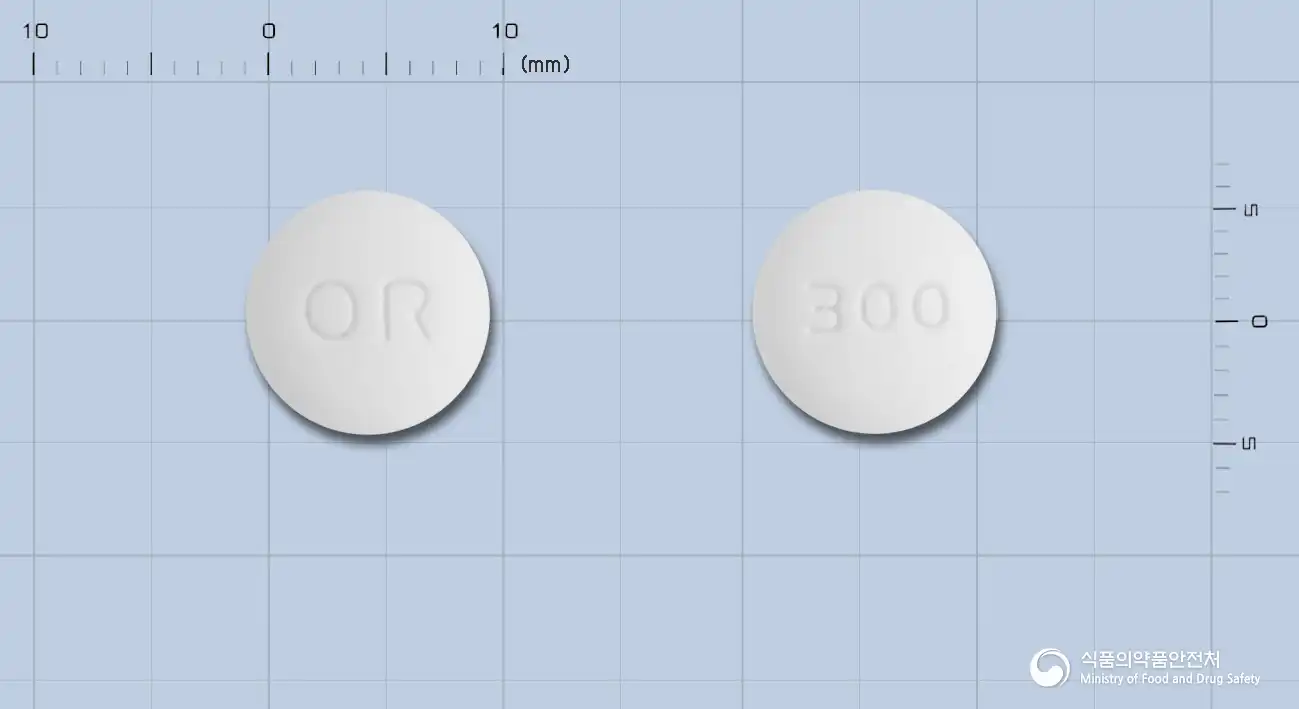
Sodium Valproate 300mg
Tablet · Prescription medication
BooKwang Pharmaceuticals Co., Ltd.
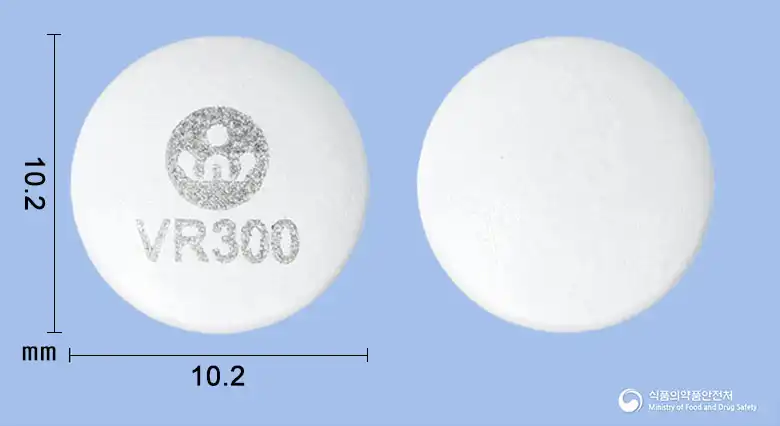
Sodium Valproate 300mg
Tablet · Prescription medication
Hwa In Pharmaceutical Co., Ltd.
Sodium Valproate 400mg
Injections · Prescription medication
Samjin Pharmaceutical Co., Ltd.
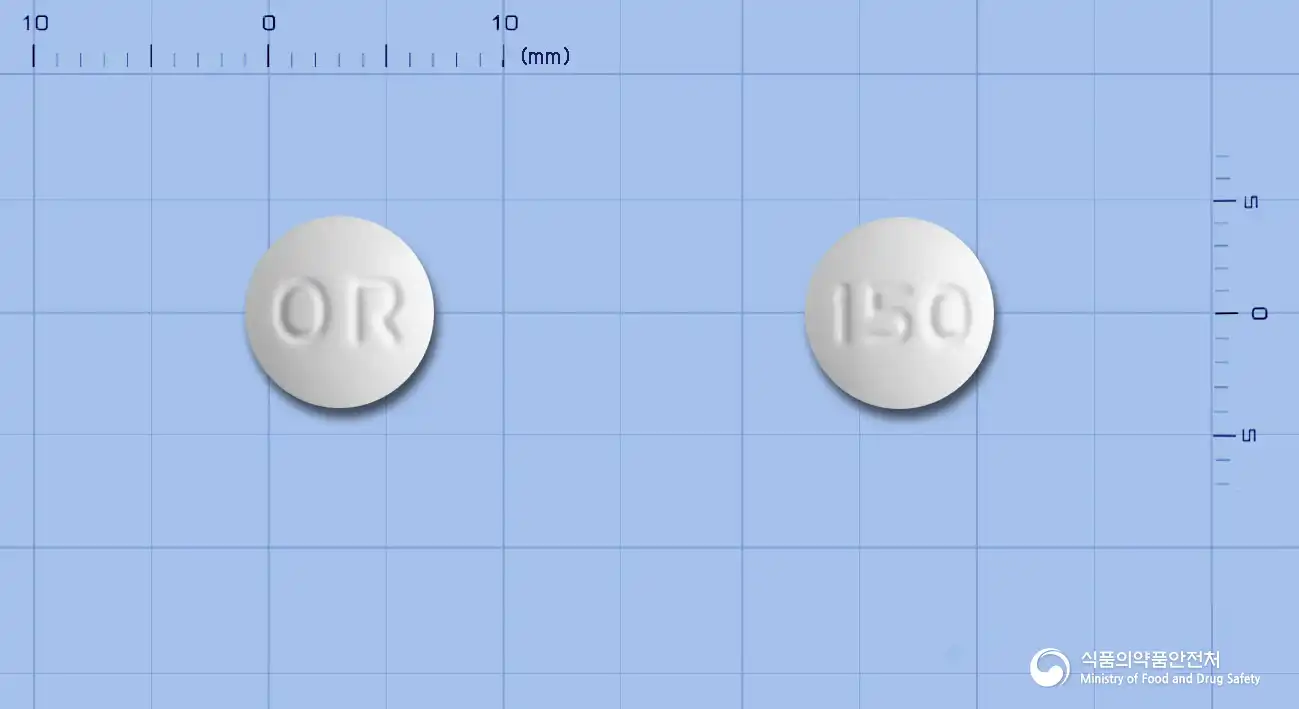
Sodium Valproate 150mg
Tablet · Prescription medication
Bukwang Pharmaceuticals Co., Ltd.
Sodium Valproate 100mg
Injections · Prescription medication
BooKwang Pharmaceutical Co., Ltd.
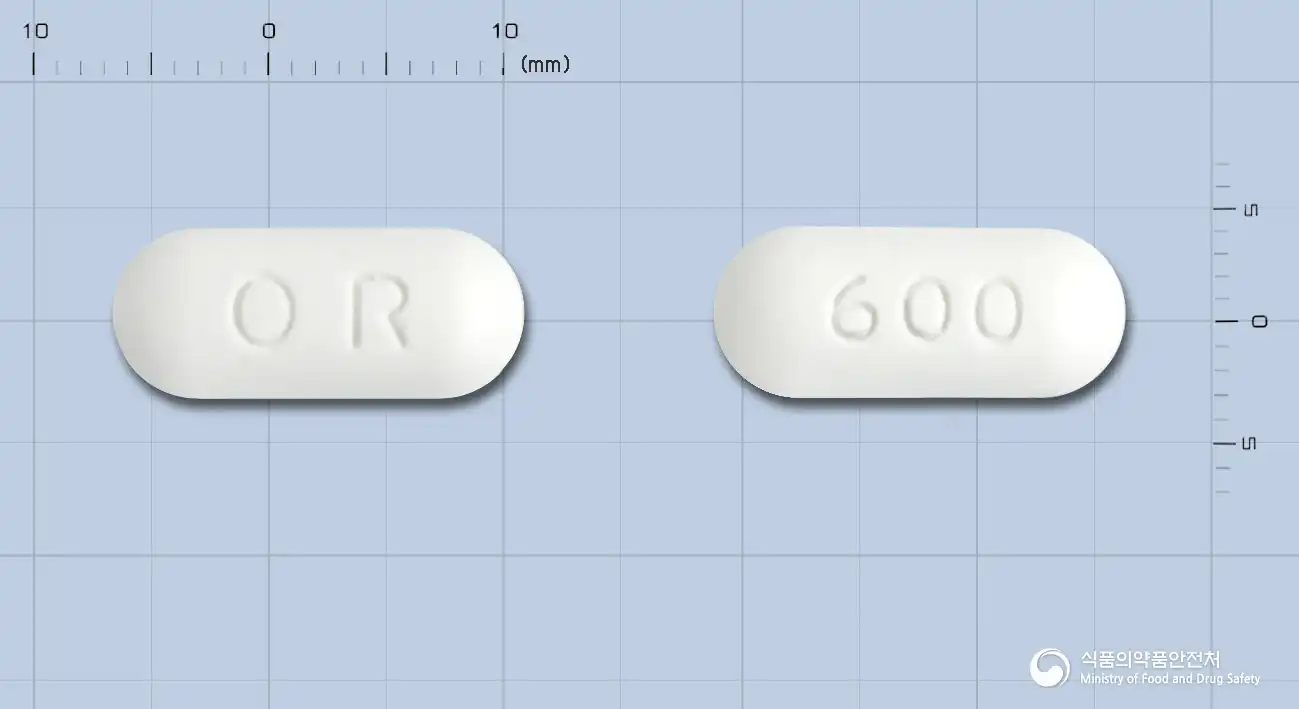
Sodium Valproate 600mg
Tablet · Prescription medication
Bukwang Pharmaceutical Co., Ltd.
Sodium Valproate 6000mg
Prescription medication
Bukwang Pharmaceutical Co., Ltd.
Even with the same ingredient, the dose and directions can differ by strength and dosage form. Talk to a doctor or pharmacist before switching from a medication you are already taking.
No questions yet.
For anything that needs medical judgment, consult a doctor or pharmacist.
This drug information is based on data provided by the Korea Ministry of Food and Drug Safety.
Consult a doctor or pharmacist for accurate dosage, administration, and usage instructions.