
 한국어
 English
 日本語
 中文(简体)
 Viewing now
Trental Sustained Release Tablets 400 (Pentoxifylline)
Pentoxifylline 400mg
Tablet · Prescription medication
Handok Co., Ltd.
MFDS item code 198000206 · Approved 1980.11.08 · Insurance code 652101370
Improvement of peripheral arterial circulation disorders, cerebral circulatory disorders, and ocular blood flow disorders
This medication is used to improve symptoms of cerebral atherosclerosis caused by disorders in blood circulation of the brain, such as ischemia, post-stroke sequelae, dizziness, headaches, and forgetfulness. It also acts effectively on symptoms caused by ocular blood flow disorders and peripheral arterial circulation disorders such as intermittent claudication, pain at rest, diabetic vascular disease, atrophy, and vascular neuropathy. Overall, it facilitates blood circulation to improve symptoms of various vascular-related diseases.
(Oral: tablets) Adults: Administer 400㎎ of pentoxifylline per dose orally 2-3 times daily after meals with a small amount of liquid. Adjust the dose as appropriate according to age and symptoms. (Injection) 1. Intravenous injection: Administer 100㎎ of pentoxifylline daily to adults by slow intravenous injection over at least 5 minutes with the patient lying down, or by intra-arterial injection if needed. To assess the individual patient's response, it is preferable to initially administer 50㎎ diluted with saline for injection to a total volume of 10㎖. 2. Intravenous infusion: Initially, mix 100㎎ daily with 250-500㎖ of infusion solution (such as saline for injection or 5% fructose injection) and infuse intravenously over 90-180 minutes. Starting the following day, increase the daily dose by 50㎎ each day until it reaches 300㎎. For severe circulatory disorders, administer twice daily. 3. Intra-arterial injection: Using a motor-driven syringe, mix 100-300㎎ daily with 20-50㎖ of saline for injection and inject slowly at a rate of 10㎎/min. 4. Tablets 100-200㎎ may be administered as adjunctive therapy to intravenous injection or infusion. After symptoms improve, treatment may be continued by oral administration. Adjust the dose as appropriate according to age and symptoms.
This medication should not be used in patients with hypersensitivity to methylxanthine drugs, or those with acute myocardial infarction, massive bleeding, or extensive retinal hemorrhage. It is also advisable not to administer this drug to patients currently taking ketorolac. Use with caution in patients with severe arrhythmias, hypotension, coronary artery disease, significant renal impairment, or hepatic dysfunction. Special attention is needed for patients with a tendency to bleed or those taking anticoagulants, platelet aggregation inhibitors, diabetic medications, ciprofloxacin, or theophylline. This medication can cause various side effects including elevated liver enzyme levels, decreased blood pressure, heart arrhythmias, respiratory symptoms, decreased blood cell counts, neurological abnormalities, gastrointestinal distress, skin rashes, bleeding, immune reactions, biliary abnormalities, and psychiatric symptoms. Higher doses may cause gastrointestinal discomfort, nausea, vomiting, diarrhea, and arrhythmias. It should only be administered to patients with confirmed cerebral atherosclerosis after diagnosis, with regular checks of blood pressure and fundus artery conditions. Regular monitoring of blood pressure is necessary for hypertensive patients receiving this medication. This drug may increase the risk of bleeding when used with anticoagulants and platelet aggregation inhibitors, so dosage adjustments and observation for bleeding symptoms are important. Additionally, blood sugar levels should be monitored closely when used with diabetic medications as the blood sugar-lowering effect may be enhanced. Attention should also be given to blood pressure variations when used with antihypertensive medications. It is safest to avoid use in pregnant women or those who may become pregnant, as well as nursing women. There is no experience with use in children, so it is recommended not to administer to pediatrics. Caution should be exercised in elderly patients who may have impaired body function and careful monitoring is necessary. In case of overdose, since there is no specific antidote, measures such as gastric lavage or activated charcoal should be taken to prevent further absorption of the medication. Keep this medication out of the reach of children, and avoid transferring it to other containers to maintain quality and prevent accidents.
Not everyone experiences these, and they can vary from person to person.
This medication should be stored in a tightly sealed container to protect it from air and light exposure. It is also recommended to store it at room temperature, neither too hot nor too cold. Since light can alter the effectiveness of the medication, it should be stored in a dark place away from direct sunlight.
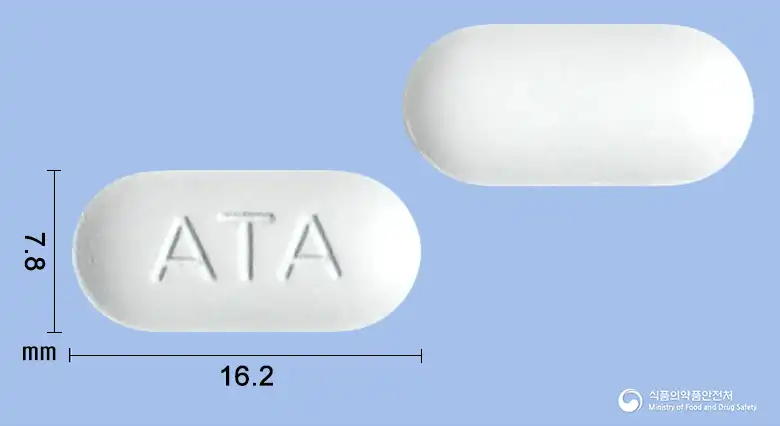
Oblong white sustained-release film-coated tablets. (For export: oblong pink sustained-release sugar-coated tablets)
30 tablets/bottle, 500 tablets/bottle, 60 tablets (10 tablets/PTPX6)
Even with the same ingredient, strength, dosage form and how it is taken can differ.
Viewing nowPentoxifylline 400mg
Tablet · Prescription medication
Handok Co., Ltd.
Pentoxifylline 400mg
Tablet · Prescription medication
Korea Hyutecs Pharmaceutical Co., Ltd.
Pentoxifylline 400mg
Tablet · Prescription medication
Celltrion Pharm., Co., Ltd.
Pentoxifylline 20mg
Injections · Prescription medication
Hyuons Co., Ltd.
Pentoxifylline 20mg
Prescription medication
Myeongmun Pharmaceutical Co., Ltd.
Pentoxifylline 20mg
Injections · Prescription medication
AlboGen Korea Co., Ltd.
Pentoxifylline 400mg
Tablet · Prescription medication
Ildong Pharmaceutical Co., Ltd.
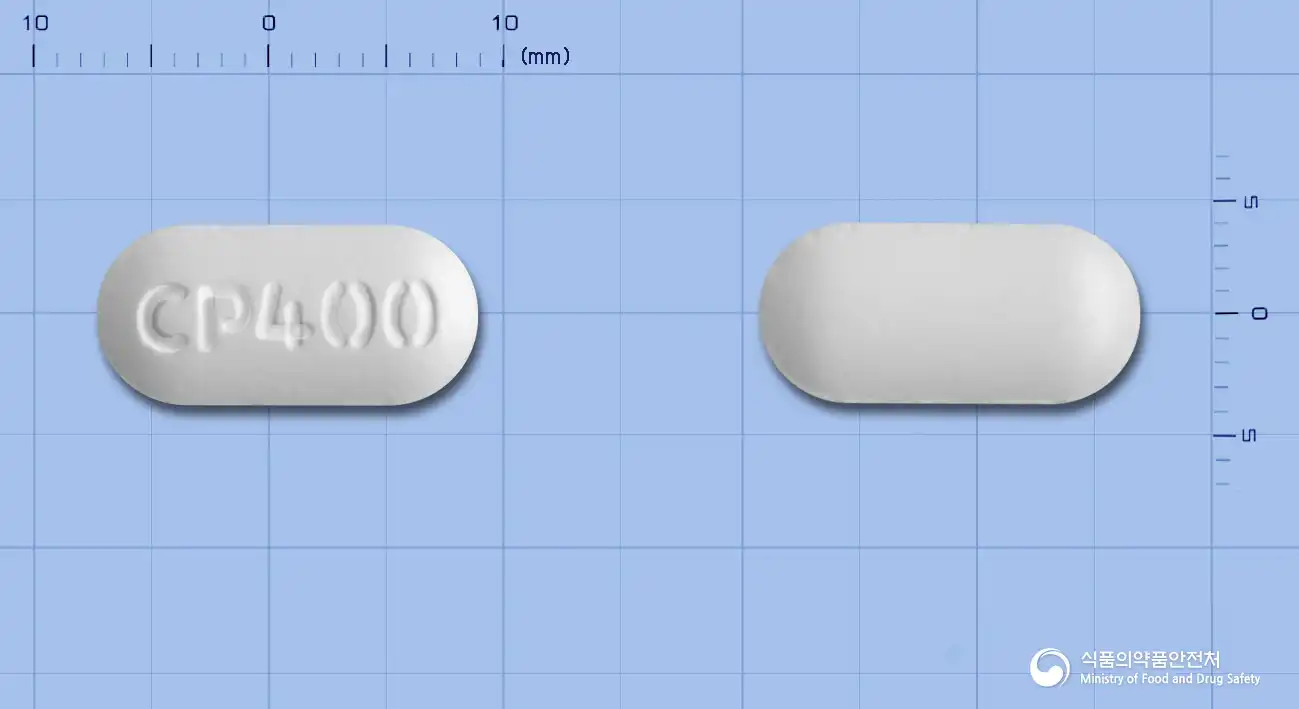
Pentoxifylline 400mg
Tablet · Prescription medication
CMG Pharmaceutical Co., Ltd.
Even with the same ingredient, the dose and directions can differ by strength and dosage form. Talk to a doctor or pharmacist before switching from a medication you are already taking.
No questions yet.
For anything that needs medical judgment, consult a doctor or pharmacist.
This drug information is based on data provided by the Korea Ministry of Food and Drug Safety.
Consult a doctor or pharmacist for accurate dosage, administration, and usage instructions.