
 한국어
 English
 日本語
 中文(简体)
 Viewing now
Ativan Tablet 0.5 mg (Lorazepam)
Lorazepam 0.5mg
Tablet · Prescription medication
Il Dong Pharmaceutical Co., Ltd.
MFDS item code 197900543 · Approved 1979.07.02 · Insurance code 642901150
Relief of neurosis (anxiety, tension, etc.); premedication before anesthesia; relief of symptoms of psychosomatic disorders
This medication is used to alleviate anxiety, tension, and depressive symptoms caused by neurotic disorders. It is also effective for anxiety and tension symptoms occurring in psychosomatic disorders such as autonomic nervous dysfunction or cardiac neurosis. Prior to anesthesia, this medication can be administered to reduce patient tension and alleviate anxiety. However, it is not to be used for everyday stress or mild anxiety, and is prescribed only when symptoms are severe or there is significant impairment in behavior. This medication helps improve moderate anxiety and tension.
Adults: Administer 1–4 mg of lorazepam per day orally in 2–3 divided doses. For neurosis and psychosomatic disorders, up to 10 mg per day may be administered. Adjust the dose as appropriate according to symptoms.
This medication should be used with extreme caution when combined with narcotics, as it may cause severe sedation, respiratory depression, coma, and potentially death. When co-administering with narcotics, it should only be used at the minimum effective dose and for a short duration, with close monitoring of the patient's condition. Additionally, the risk of misuse and addiction exists, so the patient's usage status should be carefully monitored and it should be avoided alongside alcohol or other central nervous system depressants. It should not be used in cases of myasthenia gravis, acute glaucoma, severe respiratory failure, alcohol or drug dependency, severe liver or kidney failure, pregnant women or those who may become pregnant, and children under 12 years old. In patients with heart, liver, or kidney diseases, elderly patients, and those with depression, special caution should be exercised when using this medication, and careful observation of symptom worsening or side effect occurrence is necessary. Long-term use of this medication may lead to psychological and physical dependence, so it is important not to exceed the dosage and to gradually reduce the dosage. Side effects such as drowsiness, dizziness, memory impairment, visual disturbances, digestive issues, respiratory depression, and hypotension may occur, and immediate consultation with medical personnel is advised if these symptoms arise. It is safer to avoid driving or operating hazardous machinery while taking this medication. When using other drugs concurrently, interactions may enhance the effects or increase the risk of side effects, so it is essential to consult a physician or pharmacist. Pregnant or breastfeeding women should ideally avoid using this medication, but if unavoidable, it should be used cautiously after consulting a specialist. Children and the elderly are particularly vulnerable to side effects, necessitating extra care during use. In case of overdose, seek immediate medical attention for appropriate treatment, and store this medication in a secure location out of reach of children.
Psychological and physical dependence on drugs, convulsions, hallucinations, tremors, insomnia, anxiety, hallucinations, delusions, anxiety, agitation, depression, hyperactivity, confusion, hallucinations, psychosis, other behavioral disorders, drowsiness, dizziness, staggering, orthostatic dysregulation, heaviness in the head, headache, feeling of pressure in the head, tinnitus, insomnia, palpitations, ataxia, nystagmus, blurred vision, liver dysfunction, nausea, vomiting, diarrhea, constipation, appetite loss, thirst, discomfort in the stomach area, bloating in the stomach area, upper abdominal pain, heartburn, respiratory depression, hypotension, edema, angioedema, dyspnea, rash, itching, malaise, weakness, tongue twisting, change in libido, urinary incontinence, delirium, confusion, amnesia, aggressive reaction, abnormal behavior, hyperactivity, speech disorder, dyskinesia, sensory impairment
Not everyone experiences these, and they can vary from person to person.
This medication may be sensitive to light and should be stored in an opaque container that prevents light exposure. Additionally, it is important to keep it in a sealed container to prevent air and moisture ingress.
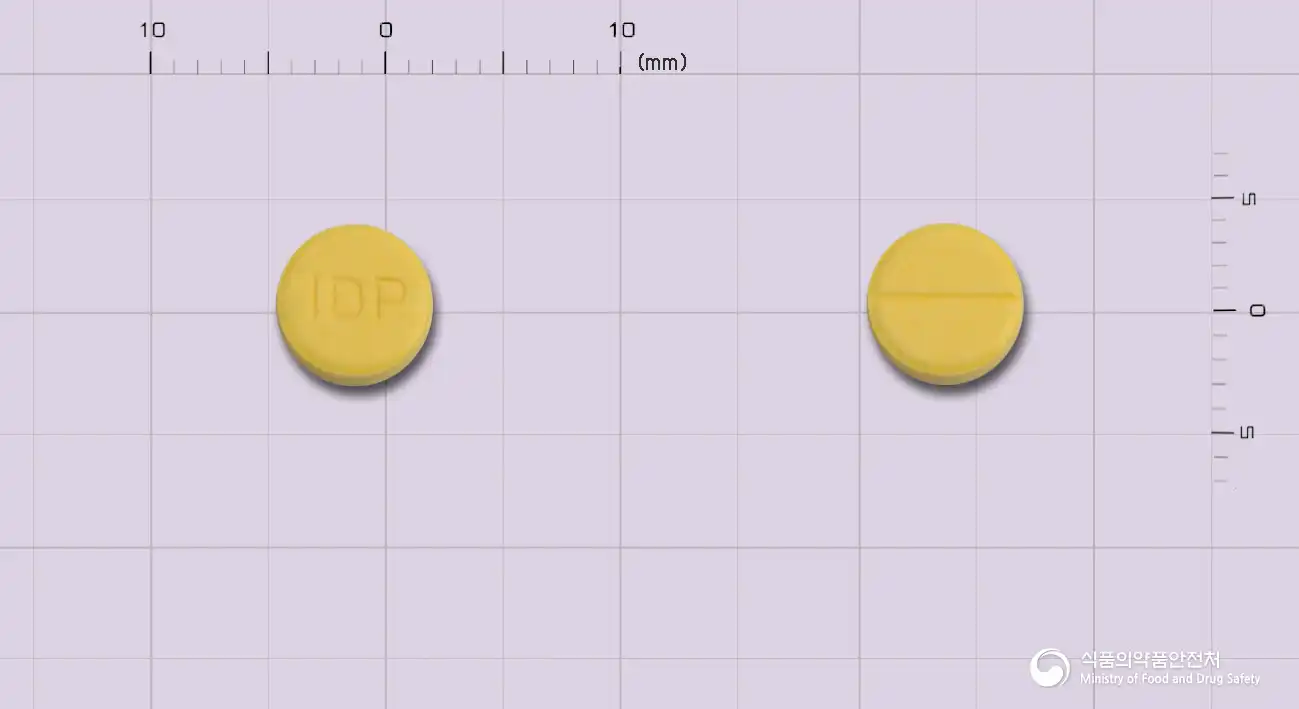
Yellow tablet
100 tablets/bottle
Even with the same ingredient, strength, dosage form and how it is taken can differ.
Viewing nowLorazepam 0.5mg
Tablet · Prescription medication
Il Dong Pharmaceutical Co., Ltd.
Lorazepam 1mg
Tablet · Prescription medication
IlDong Pharmaceutical Co., Ltd.
Lorazepam 4mg
Injections · Prescription medication
Ildong Pharmaceutical Co., Ltd.

Lorazepam 1mg
Tablet · Prescription medication
Hanin Pharmaceutical Co., Ltd.

Lorazepam 0.5mg
Tablet · Prescription medication
Hanin Pharmaceutical Co., Ltd.

Lorazepam 1mg
Tablet · Prescription medication
Myungin Pharmaceutical Co., Ltd.

Lorazepam 0.5mg
Tablet · Prescription medication
Myungin Pharmaceutical Co., Ltd.
Even with the same ingredient, the dose and directions can differ by strength and dosage form. Talk to a doctor or pharmacist before switching from a medication you are already taking.
No questions yet.
For anything that needs medical judgment, consult a doctor or pharmacist.
This drug information is based on data provided by the Korea Ministry of Food and Drug Safety.
Consult a doctor or pharmacist for accurate dosage, administration, and usage instructions.