
 한국어
한국어 English
 日本語
日本語 中文(简体)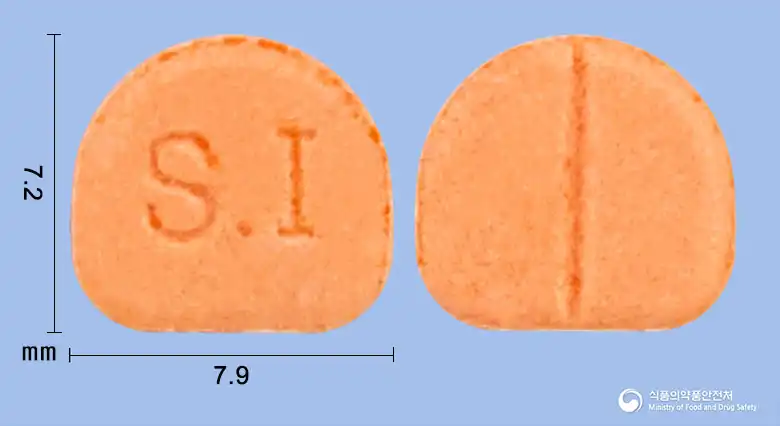
Summary
- Main use
- Effective for treatment in internal medicine (asthma, infections, etc.) and surgery (severe infections), dermatology (eczema, psoriasis, etc.)
- Who takes it
- Adults · Children
- Adult dose
- For betamethasone, the usual initial dosage is 1.5 to 3 mg per day, and the maintenance dose is gradually reduced to 0.5 to 1.5 mg taken orally.
- Child dose
- For initial daily dosage: for children under 1 year, administer 1/4 of the adult dose; for ages 1 to 6 years, administer 1/2; for under 12 years, administer 3/4; and if symptoms improve, reduce the dose by 0.25 to 0.5 mg every 2 to 7 days.
Ingredients
- Manufacturer
- 신일제약(주)
Efficacy & effects
Effective for treatment in internal medicine (asthma, infections, etc.) and surgery (severe infections), dermatology (eczema, psoriasis, etc.)
- Collagen disease
- adrenal insufficiency
- bronchial asthma
- asthmatic status
- asthmatic bronchitis
- pediatric asthmatic bronchitis
- serum sickness
- drug allergy
- vasomotor rhinitis
- hay fever
- thyroid toxicity
- nephrotic syndrome
View approved original textHide original text
This medication is used for the treatment of bronchial asthma, thyroid disorders, acute and chronic infections, various anemias and leukemia, tuberculosis, and terminal cancer treatment in internal medicine and pediatrics. It is also applicable for treatment of adrenal insufficiency during surgical invasions and severe infections. It is effective for orthopedic diseases such as rheumatoid arthritis and ankylosing spondylitis. In obstetrics, it helps prevent adhesions after salpingostomy, and in urology, it aids in the treatment of prostate cancer. In ophthalmology, it is used for various inflammations and ocular muscle paralysis, and in dermatology, it is used for various skin diseases such as eczema, urticaria, psoriasis, and alopecia areata, as well as severe infections. Finally, in otolaryngology, it is used for several conditions including acute otitis media, allergic rhinitis, and acute hearing loss. This medication is widely used for the treatment of various diseases and symptom relief.
How to take
Adult dose
For betamethasone, the usual initial dosage is 1.5 to 3 mg per day, and the maintenance dose is gradually reduced to 0.5 to 1.5 mg taken orally.
Child dose
For initial daily dosage: for children under 1 year, administer 1/4 of the adult dose; for ages 1 to 6 years, administer 1/2; for under 12 years, administer 3/4; and if symptoms improve, reduce the dose by 0.25 to 0.5 mg every 2 to 7 days.
Precautions
This medication should be used with caution in patients with infections, as it may worsen the infection. Patients who are allergic to this medication or its components should not use it. This medication should not be administered to patients with viral diseases such as herpes simplex, shingles, or chickenpox. It should not be used in patients who have received live vaccines. Patients with lactose intolerance or specific genetic lactose metabolism disorders should not take this medication due to the lactose contained in it. Patients with tuberculosis, keratitis, cataracts, hypertension, thrombosis, renal failure, liver cirrhosis, peptic ulcers, schizophrenia, osteoporosis, glaucoma, and other illnesses should use this medication with caution. Especially, patients with diabetes should be careful as it may increase blood sugar levels. Long-term use of this medication may lead to adrenal insufficiency, osteoporosis, increased risk of infections, mental changes, gastrointestinal problems, eye diseases, and other side effects, thus regular monitoring is necessary. This medication may interact with other drugs, so patients should inform their healthcare providers of any other medications they are taking. Pregnant or breastfeeding women should consult their healthcare provider before using this medication as it may affect the fetus or newborn. In children, there is a risk of growth delay, so it should be administered at the minimum effective dose with caution. Elderly patients have a higher risk of side effects such as infections, diabetes, and osteoporosis, so extra caution is required.
Side effects and when to seek care immediately
Serious side effects
Hives, severe swelling (edema), tightness in the chest, difficulty breathing, cold sweat, pallor, severe rash with fever, blisters, skin peeling, pain in the mucous membranes of the mouth/eyes, shortness of breath or difficulty breathing, asthmatic attacks, respiratory issues with coughing and fever, yellowing of the skin or eyes (jaundice), profound lethargy, sudden and severe headaches, thunderclap headache, seizures, confusion, visual disturbances, paralysis, and urination.
Mild side effects
- Induction and exacerbation of infections
- secondary adrenal insufficiency
- diabetes
- menstrual irregularities
- growth suppression in children
- Cushing's syndrome
- peptic ulcers
- pancreatitis
- diarrhea
- vomiting
Show 22 moreCollapse
- nausea
- stomach pain
- heartburn
- abdominal bloating
- appetite changes
- mental disorders
- depression
- insomnia
- headache
- dizziness
- myopathy
- muscle pain
- joint pain
- osteoporosis
- increased blood pressure
- hypokalemic alkalosis
- sodium retention
- edema
- increased intraocular pressure
- glaucoma
- increased white blood cells
- and thrombosis.
Not everyone experiences these, and they can vary from person to person.
Storage
This medication is sensitive to light, so it should be stored in a container that blocks light. Additionally, to ensure safe storage, it is recommended to keep it at room temperature, between 1 to 30 degrees Celsius.
Appearance and packaging
Appearance
Orange round-shaped tablet
Package unit
1000 tablets/bottle
Questions about this medicine
No questions yet.
For anything that needs medical judgment, consult a doctor or pharmacist.