
 한국어
 English
 日本語
 中文(简体)
Summary
- Main use
- Treatment of hyperthyroidism
- Who takes it
- Adults · Children
- Adult dose
- Adults: The initial dose of propylthiouracil is 100-300mg per day orally in 3-4 divided doses; for severe cases, up to 400-600mg per day may be administered. Once hyperthyroidism resolves, gradually reduce the dose over 1-4 weeks to a maintenance dose of 25-100mg per day in 1-2 divided doses. Pregnant women: The initial dose is 150-300mg per day in 3-4 divided doses. Once hyperthyroidism resolves, gradually reduce the dose over 1-4 weeks to a maintenance dose of 50-100mg per day in 1-2 divided doses. During a normal pregnancy, if thyroid function test values do not decrease, perform tests every 2 weeks and administer the lowest dose necessary.
- Child dose
- Children aged 5-9 years: Administer 100-200mg per day in 2-4 divided doses. Children aged 10-14 years: Administer 200-300mg per day in 2-4 divided doses. Once hyperthyroidism resolves, gradually reduce the dose over 1-4 weeks to a maintenance dose of 50-100mg per day in 1-2 divided doses.
Ingredients
- Manufacturer
- Bukwang Pharmaceutical Co., Ltd.
Efficacy & effects
Treatment of hyperthyroidism
- Hyperthyroidism
View approved original textHide original text
Hyperthyroidism is a condition where the thyroid gland is overactive, causing an accelerated metabolism in the body. This medication is used for patients with hyperthyroidism to help regulate the excessive secretion of thyroid hormones and alleviate symptoms.
How to take
Adult dose
Adults: The initial dose of propylthiouracil is 100-300mg per day orally in 3-4 divided doses; for severe cases, up to 400-600mg per day may be administered. Once hyperthyroidism resolves, gradually reduce the dose over 1-4 weeks to a maintenance dose of 25-100mg per day in 1-2 divided doses. Pregnant women: The initial dose is 150-300mg per day in 3-4 divided doses. Once hyperthyroidism resolves, gradually reduce the dose over 1-4 weeks to a maintenance dose of 50-100mg per day in 1-2 divided doses. During a normal pregnancy, if thyroid function test values do not decrease, perform tests every 2 weeks and administer the lowest dose necessary.
Child dose
Children aged 5-9 years: Administer 100-200mg per day in 2-4 divided doses. Children aged 10-14 years: Administer 200-300mg per day in 2-4 divided doses. Once hyperthyroidism resolves, gradually reduce the dose over 1-4 weeks to a maintenance dose of 50-100mg per day in 1-2 divided doses.
Precautions
This medication may cause severe liver damage or acute liver failure, so liver function should be closely monitored during use. This medication is used to treat hyperthyroidism and should only be administered to patients for whom methimazole is not suitable or when radioactive iodine therapy or surgery is not appropriate. It can be used in early pregnancy instead of methimazole, but may affect the fetus during pregnancy, thus regular thyroid function tests are necessary. Patients with allergies to this medication, those who have previously experienced deterioration in liver function from it, those with toxic goiter, serious blood disorders, nursing mothers, and those with lactose intolerance should not receive this medication. Patients with poor liver function or blood disorders should use this medication cautiously and undergo regular liver function tests and blood tests. During the use of this medication, gastrointestinal symptoms such as headaches, dizziness, neurological symptoms, nausea, vomiting, and diarrhea may occur, so caution is advised. Serious blood abnormalities such as decreased white blood cell count or agranulocytosis may occur, making regular blood tests very important. Skin rashes, itching, erythema, and hair loss may occur, so if these symptoms arise, immediate consultation with healthcare professionals is necessary. Symptoms of liver damage or jaundice may occur, hence if liver dysfunction is suspected, medication should be discontinued immediately and healthcare professionals informed. Renal-related adverse reactions such as nephritis and glomerulonephritis have also been reported, thus kidney function should be closely monitored. Hypersensitivity reactions like rashes, urticaria, and fever may occur, so if symptoms develop, consider alternative medications or monitor progress with antihistamines. Systemic lupus erythematosus symptoms may develop, so if symptoms such as fever or joint pain occur, discontinuation is needed. In case of overdose, hypothyroidism or goiter may occur, hence proper dosage should be followed. This medication can induce various forms of vasculitis, and in severe cases can lead to death, so if symptoms of vasculitis are suspected, dosing should be stopped immediately and appropriate treatment sought. If symptoms such as pharyngitis, skin symptoms, fever, headache, or pain occur during administration, inform a doctor without delay, and ensure prothrombin time is checked before surgery due to bleeding risks. This medication should not be used without thyroid function diagnosis, and it is not effective for iodine-induced hyperthyroidism. Interactions with other medications may occur, particularly with anticoagulants, digitalis preparations, iodine-containing medications, levothyroxine, propranolol, and caution is required when used together. During pregnancy or lactation, side effects may occur in fetuses and newborns, hence regular monitoring and dose adjustments according to a physician's instructions are imperative. In pediatric patients, the risk of liver damage is significant, thus this medication should only be used cautiously when methimazole is not available or surgeries and radioactive iodine therapy are inappropriate, and both parents and patients should be well aware of symptoms of liver failure. If symptoms such as fatigue, nausea, anorexia, fever, pharyngitis, and lethargy arise during treatment with this medication, immediate discontinuation and consultation with a physician for blood tests and liver function tests are necessary. If this medication is taken with aspirin, phenylbutazone, warfarin or similar drugs, blood concentrations may increase, so caution is necessary.
Side effects
- Headache
- peripheral neuropathy
- central nervous system disorders
- nausea
- vomiting
- diarrhea
- loss of appetite
- agranulocytosis
- leukopenia
- hypoprothrombinemia
Show 43 moreCollapse
- thrombocytopenia
- factor VII deficiency
- thrombocytopenic purpura
- aplastic anemia
- hemolytic anemia
- hair loss
- skin pigmentation
- itching
- erythema
- liver dysfunction
- hepatitis
- liver necrosis
- jaundice
- cholestasis
- nephritis
- glomerulonephritis
- rash
- hives
- fever
- symptoms of systemic lupus erythematosus
- goiter
- hypothyroidism
- fatigue
- lymphadenopathy
- arthralgia
- myalgia
- salivary gland enlargement
- edema
- taste impairment
- olfactory disorder
- nodular periadventitial arteritis
- enlargement of goiter
- peripheral edema
- vasculitis
- interstitial pneumonia
- drowsiness
- endocrine ophthalmic disorders
- vasculitis
- pharyngitis
- skin symptoms
- headache
- general pain
- insulin autoimmune syndrome
Not everyone experiences these, and they can vary from person to person.
Storage
This medication should be stored in a tightly closed container to prevent air or moisture from entering.
Appearance and packaging
Appearance
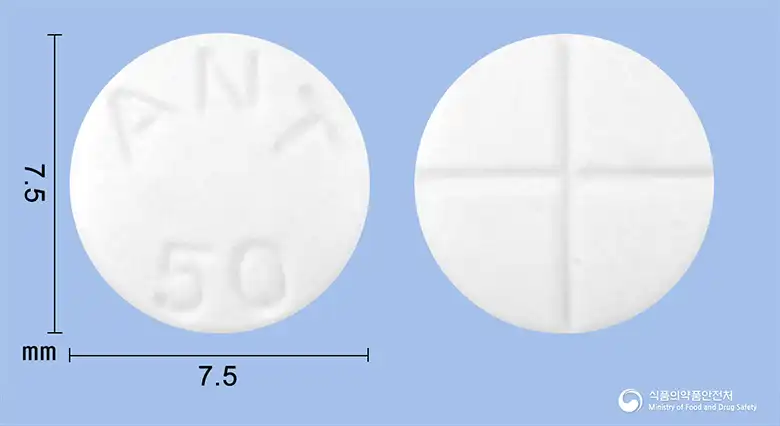
White tablet
Package unit
100 tablets/bottle, 500 tablets/bottle
Questions about this medicine
No questions yet.
For anything that needs medical judgment, consult a doctor or pharmacist.