
 한국어
 English
 日本語
 中文(简体)
 Viewing now
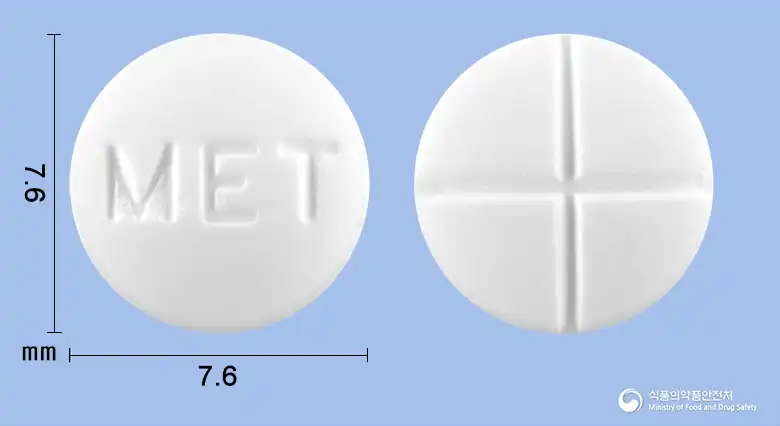
Bukwang Methimazole 5 mg
Methimazole 5mg
Tablet · Prescription medication
Bukwang Pharmaceutical Co., Ltd.
MFDS item code 197800303 · Notified 1978.04.18 · Insurance code 642200680
Treatment of hyperthyroidism
This medication is used for the treatment of hyperthyroidism, particularly prior to subtotal resection of the thyroid or radioactive iodine therapy. It helps to manage the overproduction of thyroid hormones, alleviating symptoms and facilitating the treatment process. Therefore, it acts effectively in a state of excessive thyroid function, aiding in the improvement of the patient’s condition.
Adults: The initial daily dose of methimazole is 15mg for mild cases, 30-40mg for moderate cases, and 60mg for severe cases, administered orally in 3 divided doses at 8-hour intervals. As hyperthyroidism resolves, administer a maintenance dose of 5-15mg per day in 1-2 divided doses.
Children: The initial daily dose of this drug is 0.4mg/kg, administered in 3 divided doses at 8-hour intervals. As hyperthyroidism resolves, administer one-half of the initial dose as the maintenance dose.
This medication should not be used in patients with specific blood disorders. For example, patients with agranulocytosis, leukopenia, thrombocytopenia, those allergic to this medication, lactating women, and patients with a history of acute pancreatitis related to this medication or other related medications should avoid its administration. Caution is advised in patients with liver dysfunction, pregnant women, or women who may become pregnant, as well as in patients with other blood disorders. This medication can cause liver dysfunction or blood-related side effects, thus regular monitoring is required. While taking this medication, there may be an increased risk of hypothyroidism or bleeding, especially before surgery, so blood coagulation times should be regularly checked and thyroid function tests should be performed. If thyroid-stimulating hormone levels rise, dosage adjustment may be necessary. If symptoms such as sore throat, generalized fatigue, skin rash, fever, headache occur after administration, the patient should inform the physician immediately, as these may be related to blood abnormalities and careful observation is required. If symptoms of acute pancreatitis appear, usage should be stopped immediately, and patients with a history of acute pancreatitis related to this medication or related medications should not use it. Pregnant women should use this medication with caution as it may affect the fetus, and should definitely consult with healthcare providers to administer the minimum dose while closely monitoring the fetus and newborn. Women who may become pregnant should use effective contraception during treatment. This medication may enhance the effect of anticoagulants when used in conjunction, so caution is needed when using both medications together. In cases of overdose, symptoms may include vomiting, headache, fever, arthralgia, itching, edema, blood abnormalities, etc., and immediate medical attention should be sought. Treatment such as administering activated charcoal or gastric lavage may be necessary to reduce drug absorption in the gastrointestinal tract. Long-term high-dose use of this medication may carry risks such as thyroid hyperplasia, goiter, and thyroid cancer, so regular monitoring is necessary during prolonged use.
Agranulocytosis, leukopenia, hypoprothrombinemia, deficiency of factor VII, thrombocytopenia, thrombocytopenic purpura, aplastic anemia, liver dysfunction, cholestatic hepatitis, jaundice, hair loss, skin hyperpigmentation, itching, erythema, nausea, vomiting, diarrhea, loss of appetite, upper abdominal pain, acute pancreatitis, headache, dizziness, peripheral neuropathy, fatigue, drowsiness, rash, urticaria, fever, goiter, hypothyroidism, hepatitis, exfoliative dermatitis, neuritis, stimulation or inhibition of the central nervous system, arteritis, lupus syndrome, hypoglycemic coma, lymphadenopathy, arthralgia, myalgia, salivary gland enlargement, edema, drug fever, sensory disturbance, loss of taste, nephritis
Not everyone experiences these, and they can vary from person to person.
This medication should be stored in a tightly closed container that is light-resistant, at a temperature between 1 degree and 30 degrees Celsius. By storing it this way, the efficacy of the medication can be maintained and deterioration can be prevented.
It is a white tablet.
For domestic use - 100 tablets per bottle, For domestic use - 500 tablets per bottle
Even with the same ingredient, strength, dosage form and how it is taken can differ.
Viewing nowMethimazole 5mg
Tablet · Prescription medication
Bukwang Pharmaceutical Co., Ltd.
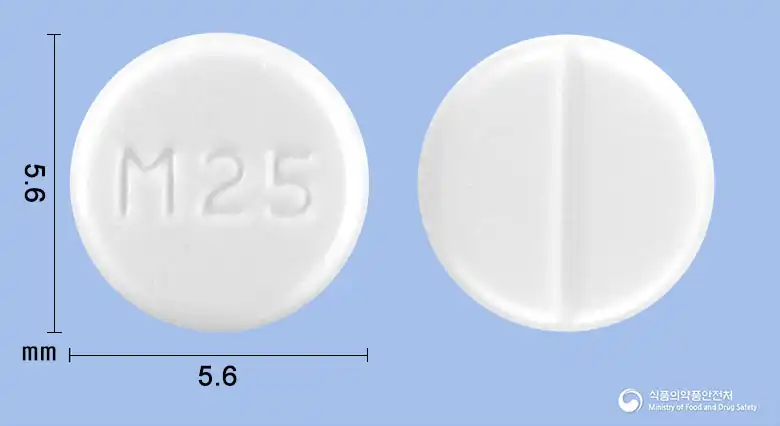
Methimazole 2.5mg
Tablet · Prescription medication
Bukwang Pharmaceutical Co., Ltd.
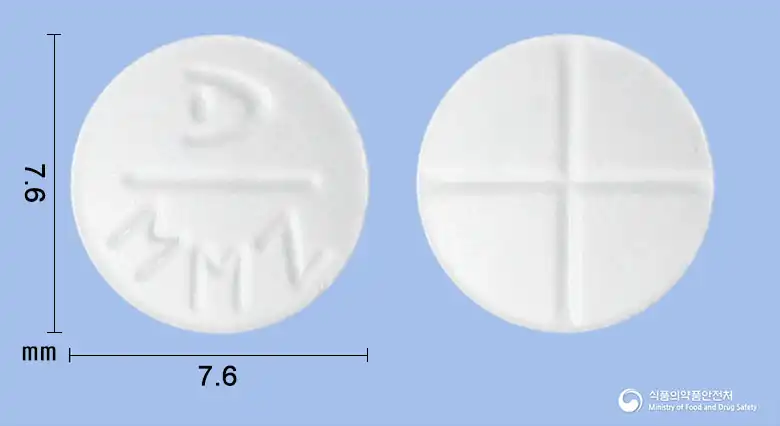
Methimazole 5mg
Tablet · Prescription medication
Darim Biotech Co., Ltd.
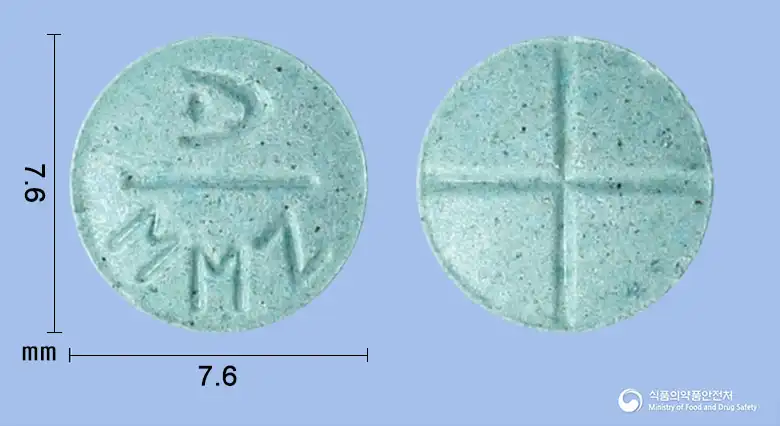
Methimazole 2.5mg
Tablet · Prescription medication
Darim Biotech Co., Ltd.
Even with the same ingredient, the dose and directions can differ by strength and dosage form. Talk to a doctor or pharmacist before switching from a medication you are already taking.
No questions yet.
For anything that needs medical judgment, consult a doctor or pharmacist.
This drug information is based on data provided by the Korea Ministry of Food and Drug Safety.
Consult a doctor or pharmacist for accurate dosage, administration, and usage instructions.