
 한국어
 English
 日本語
 中文(简体)
 Viewing now
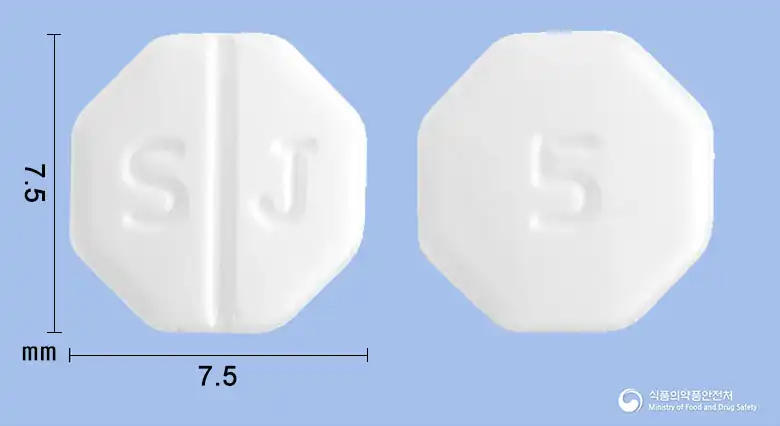
Samjin Diazepam Tablet 5 mg
Diazepam 5mg
Tablet · Prescription medication
Samjin Pharmaceutical Co., Ltd.
MFDS item code 197700536 · Approved 1977.09.14 · Insurance code 647800750
Relief of anxiety, alcohol withdrawal, etc.; preanesthetic medication; adjunctive treatment of muscle spasms and absence seizures
This medication is effective for various neurological symptoms. It alleviates anxiety and tension related to neurosis and improves anxiety, tension, and depressive symptoms appearing in psychosomatic disorders such as gastrointestinal and circulatory diseases. It is also used to assist with preoperative sedation and helps to alleviate alcohol withdrawal symptoms. It is utilized as an adjunctive treatment for skeletal muscle spasms and absence seizures (petit mal) to improve neurological and muscular symptoms. Overall, it is used to alleviate and stabilize symptoms of various neurological-related disorders.
Adults 1. Administer 2-10㎎ of diazepam orally per dose 2-4 times daily; for skeletal muscle spasms, administer 3-4 times daily. 2. Preanesthetic medication: Administer 5-10㎎ of this medicine orally at bedtime or before surgery. 3. Alcohol withdrawal symptoms: Administer an initial dose of 10㎎ of this medicine 3-4 times, then reduce the dose to 5㎎ per dose and administer 3-4 times daily until no longer needed. 4. Elderly and debilitated patients: Administer an initial dose of 2-2.5㎎ of this medicine 1-2 times daily, and gradually increase the dose if needed. The lowest possible dose should be administered to elderly patients. 5. Patients with hepatic impairment: This medicine should not be administered to patients with severe hepatic impairment. The lowest possible dose should be administered to patients with mild or moderate hepatic impairment.
Children: Start treatment at the lowest effective dose and increase as needed, but keep the treatment duration to a minimum. Administer an initial dose of 1-2.5㎎ of this medicine 3-4 times daily. Children: The dosage range is 0.1-0.3㎎ per ㎏ of body weight per day, given orally in 3-4 divided doses. Do not administer to infants 6 months of age or younger.
This medication should not be taken with alcohol or other central nervous system depressants as it may increase the risk of severe drowsiness, respiratory depression, and cardiac function impairment, potentially leading to coma or death. Additionally, when used with narcotic analgesics, there is a risk of profound sedation and respiratory depression, which necessitates use only at minimum dosages for the shortest duration, with careful patient monitoring. This medication should not be used in patients with acute angle-closure glaucoma, severe myasthenia gravis, severe respiratory failure, infants under 6 months, sleep apnea syndrome, alcohol or drug dependence, or severe liver disease. Caution is needed in individuals with heart, liver, or kidney disorders, brain diseases, the elderly, or depressed patients, as symptoms may worsen. This medication can cause dependence and withdrawal symptoms, so dosage should be gradually reduced under medical supervision when used for long periods, and sudden discontinuation should be avoided. Drowsiness, dizziness, memory impairment, anxiety, and hallucinations may occur; if any abnormal symptoms appear, consult a healthcare professional immediately. Avoid driving or operating hazardous machinery during treatment, and be especially cautious when combined with sleep deprivation, alcohol, or certain medications. It is not recommended for use in early pregnancy, women of childbearing potential, or nursing mothers unless absolutely necessary and approved by a healthcare provider. Elderly patients may experience stronger effects and a higher risk of side effects, so treatment should start with lower doses and be administered cautiously. This medication has many interactions with other drugs, which may increase effects or worsen side effects; therefore, inform your doctor or pharmacist of any concurrent medications. Overdose may lead to severe drowsiness, respiratory distress, and coma, requiring immediate emergency treatment and appropriate care per medical instructions.
Not everyone experiences these, and they can vary from person to person.
This medication is sensitive to light, so it should be stored in a container that does not allow light in and it is important to store it in a tightly sealed container that is air-tight. Additionally, the medication should be kept at room temperature between 1°C and 30°C, avoiding excessively cold or hot locations.
White octagonal tablet
500 tablets/bottle, 100 tablets (10 tablets/PTP*10)
Even with the same ingredient, strength, dosage form and how it is taken can differ.
Viewing nowDiazepam 5mg
Tablet · Prescription medication
Samjin Pharmaceutical Co., Ltd.
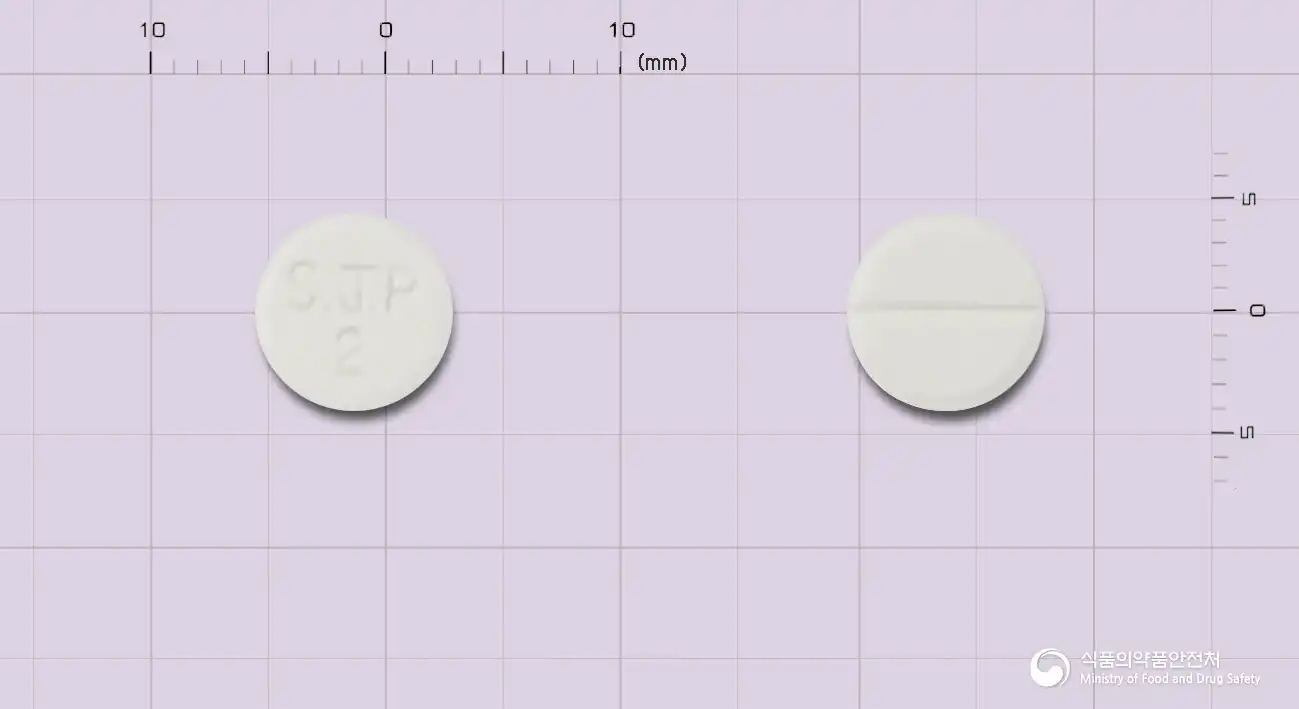
Diazepam 2mg
Tablet · Prescription medication
Samjin Pharmaceutical Co., Ltd.
Diazepam 5mg
Injections · Prescription medication
Dongwha Pharmaceutical Co., Ltd.
Diazepam 5mg
Injections · Prescription medication
Samjin Pharmaceutical Co., Ltd.
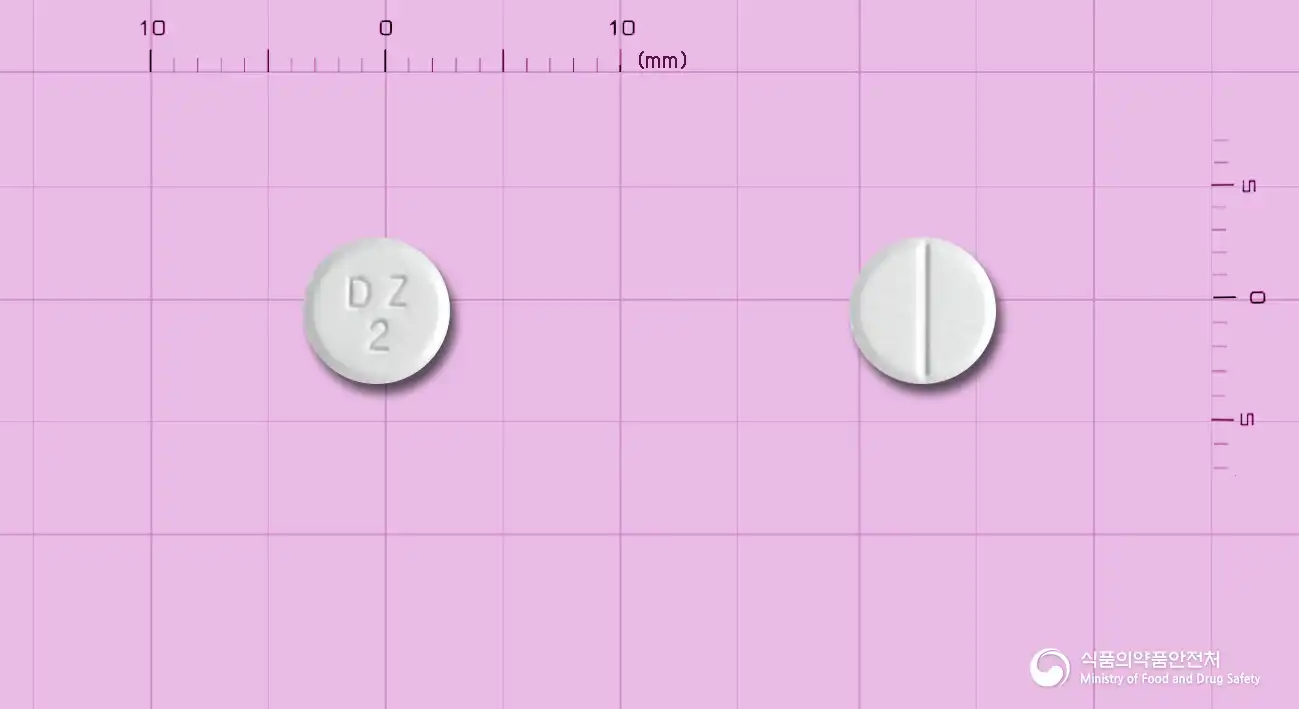
Diazepam 2mg
Tablet · Prescription medication
Myungin Pharmaceutical Co., Ltd.
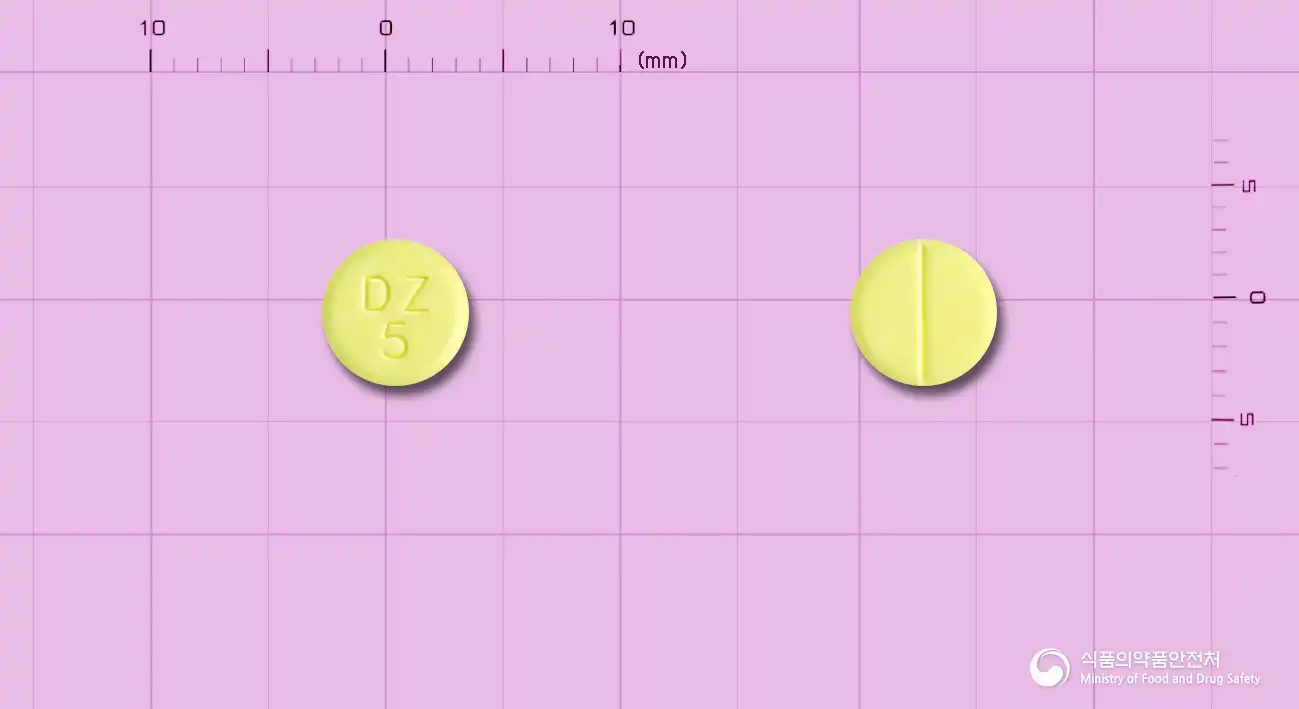
Diazepam 5mg
Tablet · Prescription medication
Myungin Pharmaceutical Co., Ltd.
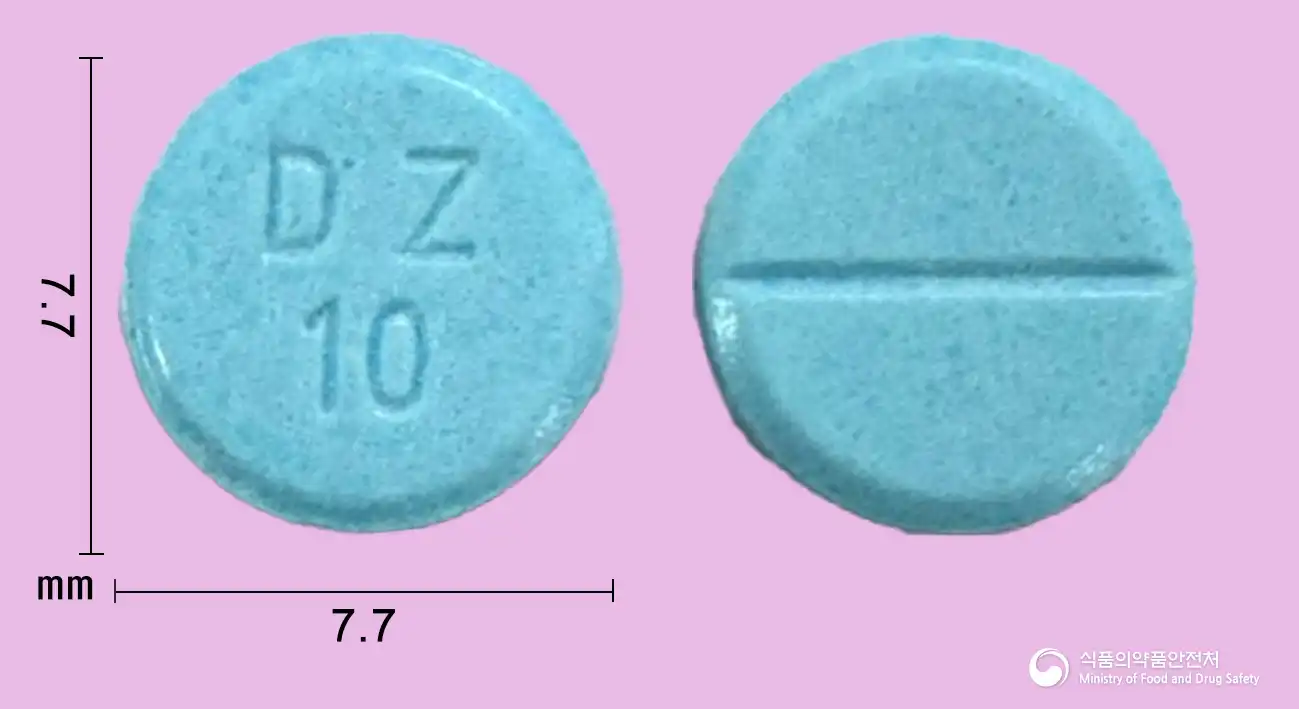
Diazepam 10mg
Tablet · Prescription medication
Myeongin Pharmaceutical Co., Ltd.
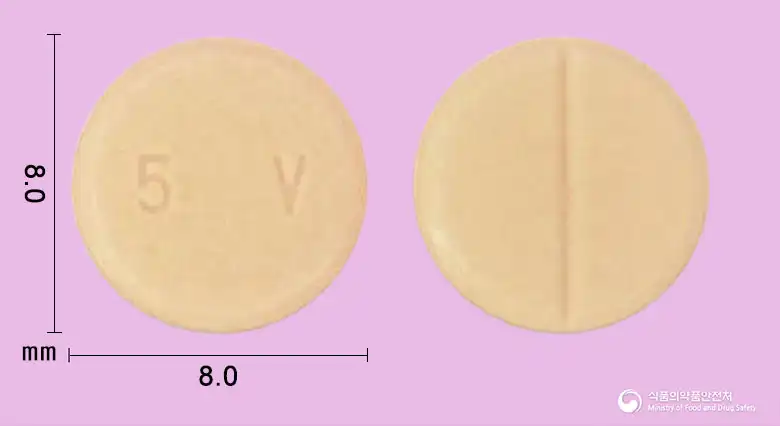
Diazepam 5mg
Tablet · Prescription medication
GP Therapeutics Korea Co., Ltd.
Even with the same ingredient, the dose and directions can differ by strength and dosage form. Talk to a doctor or pharmacist before switching from a medication you are already taking.
No questions yet.
For anything that needs medical judgment, consult a doctor or pharmacist.
This drug information is based on data provided by the Korea Ministry of Food and Drug Safety.
Consult a doctor or pharmacist for accurate dosage, administration, and usage instructions.