
 한국어
 English
 日本語
 中文(简体)
 Viewing now
Menes Tablet (Betahistine Mesilate)
Betahistine Mesylate 6mg
Tablet · Prescription medication
(Dongkoo Bio Pharmaceutical Co., Ltd.)
MFDS item code 197700201 · Notified 1977.03.23 · Insurance code 657301550
Relief of dizziness caused by Ménière's disease
This medication is used to relieve dizziness caused by Meniere's disease.
Adults: Administer 6-12㎎ of betahistine mesylate orally per dose, 3 times daily after meals. Adjust the dose appropriately according to age and symptoms.
This medication should not be used in patients with certain conditions such as adrenal tumors or pheochromocytoma. Individuals allergic to any components of this medication or those with a genetic condition that prevents the digestion of lactose should also avoid this drug. Patients with a history of peptic ulcers or active ulcers should use this medication with caution, and those with asthma or on antihistamines should take special care. Gastrointestinal-related side effects such as diarrhea, decreased appetite, and abdominal bloating may occur, and nausea or vomiting may rare occur. Additionally, symptoms such as hives, rapid heartbeat, anxiety, chest pain, excessive sweating, and skin rashes may appear. The effectiveness of this medication may be reduced when taken with antihistamines, so caution is advised when using them together. Women who are pregnant or may become pregnant should only take this medication when the benefits outweigh any potential risks due to its uncertain safety profile during pregnancy. There is limited experience with pediatric use, and its safety has not been established in children, so caution is needed. Elderly patients may have reduced physical function, requiring careful management and potential dosage reduction. Reported symptoms of overdose include dry mouth, abdominal pain, drowsiness, and nausea; in severe cases, seizures may occur, but symptoms generally resolve completely. In the case of overdose, standard emergency measures should be implemented. This medication should be stored out of reach of children and should be kept away from direct sunlight and moisture. Additionally, transferring the medication to a different container should be avoided as it can create risks of accidents or reduce the quality of the medication.
Not everyone experiences these, and they can vary from person to person.
This medication should be stored in a tightly sealed container that can block light. This will help maintain the integrity of the components and preserve its effectiveness for a longer duration.
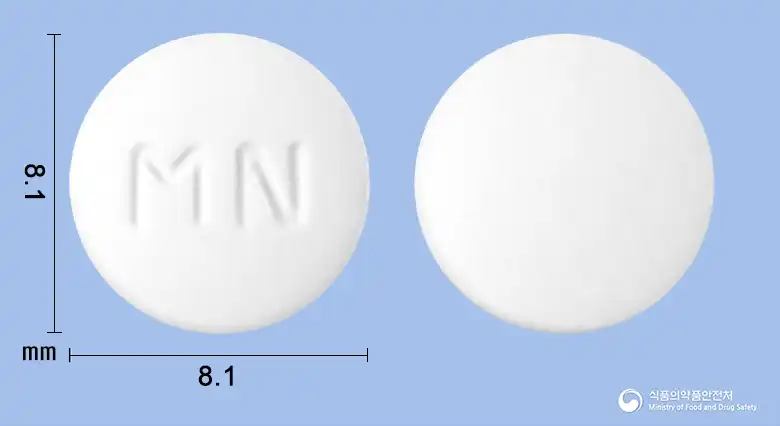
White, round tablets
500 tablets/bottle
Even with the same ingredient, strength, dosage form and how it is taken can differ.
Viewing nowBetahistine Mesylate 6mg
Tablet · Prescription medication
(Dongkoo Bio Pharmaceutical Co., Ltd.)
Betahistine Mesylate 6mg
Tablet · Prescription medication
Kwangdong Pharmaceutical Co., Ltd.
Betahistine Mesylate
Prescription medication
Huons Co., Ltd.
Even with the same ingredient, the dose and directions can differ by strength and dosage form. Talk to a doctor or pharmacist before switching from a medication you are already taking.
No questions yet.
For anything that needs medical judgment, consult a doctor or pharmacist.
This drug information is based on data provided by the Korea Ministry of Food and Drug Safety.
Consult a doctor or pharmacist for accurate dosage, administration, and usage instructions.