
 한국어
 English
 日本語
 中文(简体)
Summary
- Main use
- Relief of obesity, swelling, constipation, and symptoms associated with hypertension (e.g., palpitations)
- Who takes it
- Adults
- Adult dose
- The usual adult dose is 2 tablets per dose, taken 3 times daily before meals or between meals.
Ingredients
- Manufacturer
- HANPOONG PHARM. Co., Ltd.
- Manufacturer
- HANPOONG PHARM. Co., Ltd.
Efficacy & effects
Relief of obesity, swelling, constipation, and symptoms associated with hypertension (e.g., palpitations)
- Palpitations
- shoulder stiffness
- flushing
- obesity
- edema
- constipation
View approved original textHide original text
The patient has excessive subcutaneous fat in the abdomen, constipation, as well as palpitations related to hypertension, shoulder stiffness, and flushing symptoms. There may also be symptoms of obesity and edema causing discomfort in daily life. These symptoms can affect overall metabolic health and blood circulation, so proper management and treatment are necessary. This medication helps improve symptoms of obesity and hypertension and alleviates constipation. It is used to improve overall health.
How to take
Adult dose
The usual adult dose is 2 tablets per dose, taken 3 times daily before meals or between meals.
Precautions
This medication should not be taken by women who are pregnant or may become pregnant. The ingredients in this medication can cause uterine contractions or engorgement of pelvic organs, increasing the risk of miscarriage or premature birth. Additionally, it is advisable for nursing women to avoid taking this medication. The ingredients in this medication can be passed into breast milk, potentially causing diarrhea in infants. During the use of this medication, it is recommended not to take other antidiarrheal medications. The combination of two medications may lead to side effects. Patients with hypertension, heart disease, kidney disease, or edema, as well as elderly patients, should consult a healthcare professional before taking this medication. It is also important to consult a professional if other medications are being taken or if there are symptoms of diarrhea or gastrointestinal disorders. If gastrointestinal symptoms such as loss of appetite, nausea, vomiting, abdominal pain, or diarrhea occur during the use of this medication, or if skin rashes or itching develop, the medication should be stopped immediately and a healthcare professional consulted. Additionally, if symptoms like increased blood pressure, muscle weakness, generalized fatigue, insomnia, excessive sweating, rapid heartbeat, urinary disturbances, or liver function abnormalities occur, the medication should be discontinued immediately. Long-term use is not recommended, and if long-term use is unavoidable, it should be discussed with a professional. Particularly, stimulating laxatives can cause tolerance or worsen constipation, so it is advisable not to take them continuously for more than a week. The prescribed dosage and administration should be strictly followed, and caution is needed as the effects of the rhubarb component can vary among individuals. When taking this medication with other herbal preparations, caution should be exercised to avoid ingredient overlap, and care should be taken as side effects may occur when used in combination with Ma Huang, Ephedrine, thyroid agents, and certain diuretics. This medication should be stored in a cool, dry place away from direct sunlight and kept out of reach of children. Moreover, it should not be removed from its original container and transferred to another container, and the cap should be securely closed after use.
Side effects
Diarrhea, loss of appetite, gastric discomfort, nausea, vomiting, abdominal pain, rash, redness, itching, insomnia, excessive sweating, rapid heartbeat, frequent urination, palpitations, generalized weakness, mental agitation, urination disorders, hyperaldosteronism (decreased urine volume, swelling of the face and extremities, heaviness of eyelids, stiffness of hands, increased blood pressure, headache), hypokalemia, weakness, limb cramps, paralysis, liver dysfunction, jaundice
Not everyone experiences these, and they can vary from person to person.
Storage
This medication must be stored in an airtight container to prevent exposure to air or moisture. Additionally, it is safe to store it at room temperature between 1 and 30 degrees Celsius, away from excessively hot or cold environments.
Appearance and packaging
Appearance
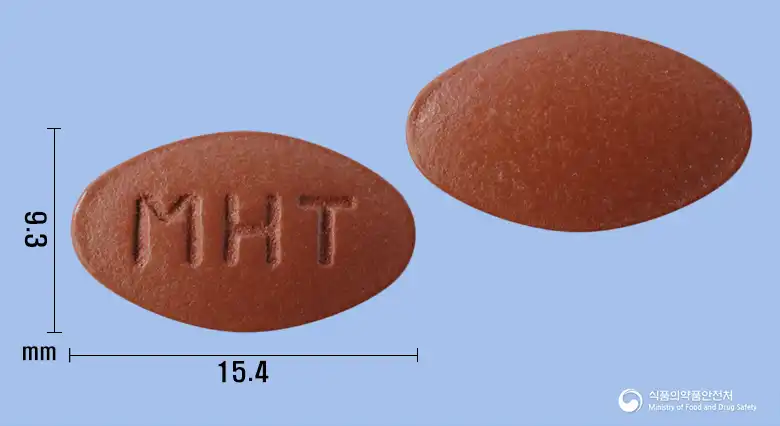
Brownish-red oval film-coated tablets
Package unit
30 tablets/bottle, 180 tablets/bottle, 300 tablets/bottle, 360 tablets/box [180 tablets/bottle x 2]
Questions about this medicine
No questions yet.
For anything that needs medical judgment, consult a doctor or pharmacist.