
 한국어
한국어 English
 日本語
日本語 中文(简体)
 Viewing now
Kujuspirodactone (Spironolactone)
Spironolactone 25mg
Tablet · Prescription medication
Koo Joo Pharmaceutical Co., Ltd.
MFDS item code 197500541 · Notified 1975.10.07 · Insurance code 669800160
Improvement of hypertension (essential, secondary, etc.) and edema (cardiac, renal, hepatic)
This medication is used for the treatment of hypertension, particularly essential and secondary hypertension. It also helps improve primary aldosteronism and hypokalemia. It is effective for treating various types of edema, including cardiac edema due to heart failure, renal edema due to chronic kidney disease, and hepatic edema due to cirrhosis. It helps control blood pressure and reduce excessive body fluid, thereby improving patient symptoms.
Spironolactone is administered orally in divided doses of 50-100 mg per day. When used as a diuretic, it is best to combine it with other diuretics, and the dosage should be reduced gradually over 2-3 days when stopping. Adjust doses appropriately according to age and symptoms.
This medication should only be used for specific diseases and should not be used unnecessarily. Taking it together with medications or foods high in potassium may lead to dangerously high potassium levels in the blood, so these should not be taken simultaneously. Patients with poor liver function should be cautious when using this medication as it may disrupt fluid and electrolyte balance, leading to severe brain dysfunction. Co-administration with lithium can reduce lithium excretion, increasing the risk of toxicity; therefore, it is advisable not to use them together. Patients with severe heart failure may experience dangerously high potassium levels due to this medication, so potassium levels should be monitored regularly through blood tests. This medication should not be used in patients with severely impaired kidney function or those who do not urinate at all, patients with significantly reduced liver function, patients with hyperkalemia, patients allergic to this medication, and patients with Addison's disease. Patients with severe atherosclerosis or cerebrovascular atherosclerosis, patients with weak liver or kidney function, patients on a restricted sodium diet, and infants should use this medication with caution. This medication may cause various side effects, including leg cramps, electrolyte imbalance, gynecomastia, skin rashes, gastrointestinal disturbances, dizziness, headaches, and blood abnormalities; any unusual symptoms should be reported to a doctor immediately. Long-term use may lead to electrolyte imbalances, so regular blood tests are necessary, and when hyperkalemia is suspected, an electrocardiogram should be performed to check heart condition. When taking it with other antihypertensives, blood pressure may drop too low, so care should be taken with dosage adjustments, and special precautions are needed during anesthesia. This medication may affect the fetus during pregnancy, so it is best to avoid use during this period, and during breastfeeding, it should be avoided or discontinued as it can be passed through breast milk. Safety in children has not been established, so it should be used with caution in pediatric patients. Elderly patients may develop dehydration or low blood pressure due to rapid diuresis, so treatment should start at a low dose, observing their condition closely. In case of overdose, emergency measures such as inducing vomiting or gastric lavage may be required, and professional treatment may be necessary for severe hyperkalemia. This medication is usually taken in the morning, and patients who need rest at night should ideally take it in the morning to reduce discomfort from urination.
Hives, severe swelling, chest tightness, difficulty breathing, cold sweat, pallor, severe rash with fever, blisters, skin peeling, pain in oral/eye mucosa, difficulty or shortness of breath, asthma attacks, respiratory distress accompanied by cough and fever, yellowing of skin or eyes (jaundice), extreme drowsiness, sudden and severe headaches, lightning headaches, seizures, confusion, visual disturbances, paralysis, significantly decreased urine output
Not everyone experiences these, and they can vary from person to person.
This medication may be sensitive to light, so it should be stored in a light-resistant container. It should also be kept in a sealed container to prevent air exposure to maintain its efficacy.
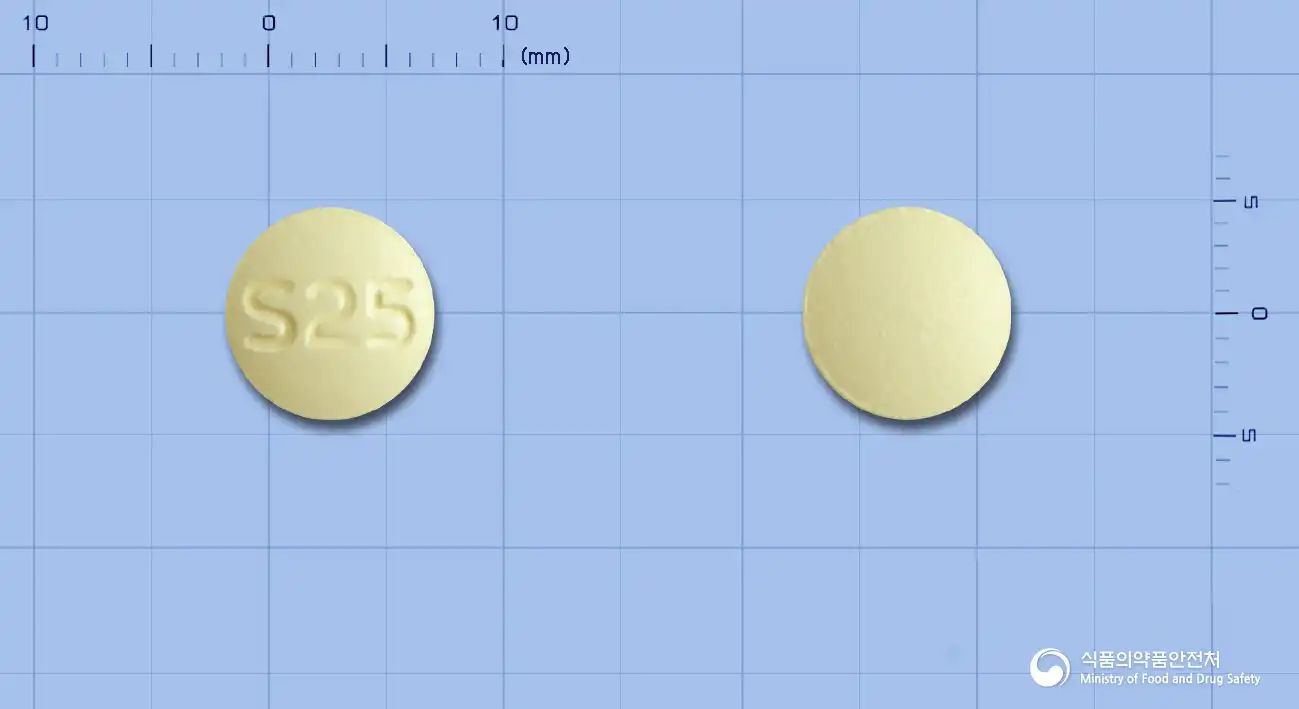
Yellowish round film-coated tablet
For domestic use: 300 tablets/bottle For export: 30 tablets (PTP packaging)
Even with the same ingredient, strength, dosage form and how it is taken can differ.
Viewing nowSpironolactone 25mg
Tablet · Prescription medication
Koo Joo Pharmaceutical Co., Ltd.
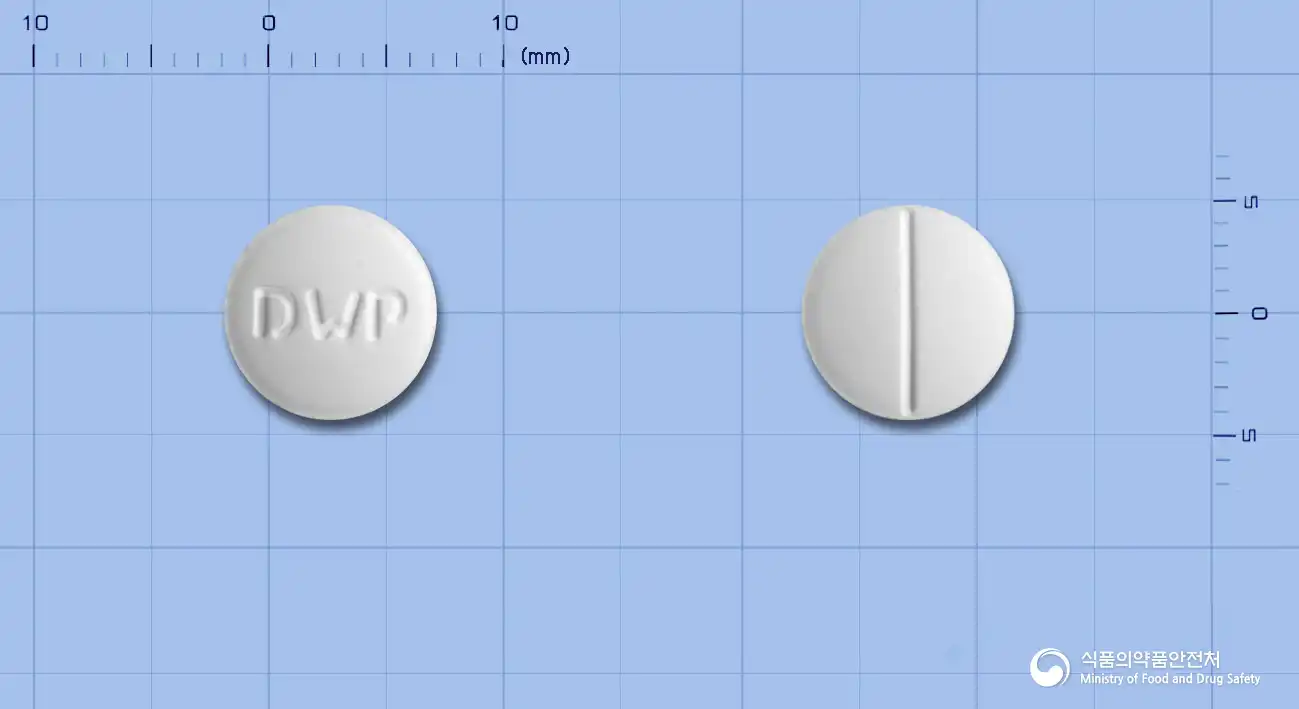
Spironolactone 50mg
Tablet · Prescription medication
Daewon Pharmaceutical Co., Ltd.
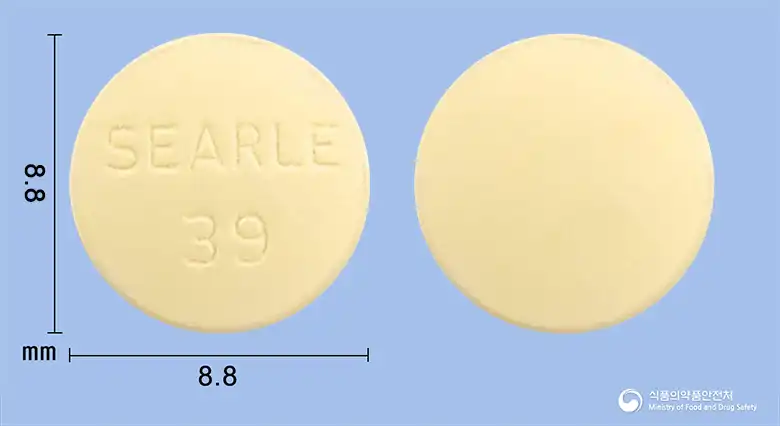
Spironolactone 25mg
Tablet · Prescription medication
Pfizer Korea Co., Ltd.
Even with the same ingredient, the dose and directions can differ by strength and dosage form. Talk to a doctor or pharmacist before switching from a medication you are already taking.
No questions yet.
For anything that needs medical judgment, consult a doctor or pharmacist.
This drug information is based on data provided by the Korea Ministry of Food and Drug Safety.
Consult a doctor or pharmacist for accurate dosage, administration, and usage instructions.