
 한국어
 English
 日本語
 中文(简体)
 Viewing now
Etravil 10 mg Tablet (Amitriptyline Hydrochloride)
Amitriptyline Hydrochloride 10mg
Tablet · Prescription medication
Dongwha Pharmaceutical Co., Ltd.
MFDS item code 197500186 · Notified 1975.02.11 · Insurance code 642702510
Treatment of depression, depressive states, and nocturnal enuresis
1. This medicine is used for the treatment of depression and depressive states. 2. It is used to treat enuresis.
○ Adults: Administer 30-75㎎ of amitriptyline hydrochloride per day orally in 2-3 divided doses, gradually increasing to 150㎎ per day if necessary. The dose may rarely be increased to 300㎎ per day. ○ For nocturnal enuresis, administer 10-30㎎ per day at bedtime. Adjust as appropriate according to age and symptoms.
This medication is an antidepressant used to treat psychiatric disorders such as major depressive disorder. When administered to children, adolescents, and young adults aged 18 to 24, there may be an increased risk of suicidal thoughts or behaviors; therefore, the physician must carefully assess the necessity and risks of treatment. This medication may also cause symptoms such as anxiety, agitation, aggression, and insomnia in addition to suicidal tendencies, so patients and caregivers should closely monitor for these changes. Patients with heart diseases, glaucoma, benign prostatic hyperplasia, arrhythmias, liver dysfunction, etc., should not use this medication or should use it with extreme caution. Women who are pregnant or may become pregnant should consult with their doctors before taking this medication, and breastfeeding mothers are advised to avoid it. This medication can cause drowsiness or decreased concentration, so activities such as driving or operating machinery should be avoided. This medication may interact with other drugs; therefore, it is essential to inform the physician, especially if taking MAO inhibitors, alcohol, heart-related medications, certain antibiotics, and psychiatric medications. Regular blood tests and electrocardiograms may be necessary during treatment, and if any abnormal symptoms occur, immediate consultation with medical personnel is required. Serious side effects can occur in case of overdose, so it should be stored in a safe place out of reach of children. Treatment effects usually appear within 4 to 10 days, but it may sometimes take more than 6 weeks, so consistent intake is important. Suddenly stopping this medication can cause a worsening of symptoms; hence, it is essential to follow the physician's instructions when discontinuing.
Not everyone experiences these, and they can vary from person to person.
This medication should be stored in a tightly closed container protected from light, and the storage temperature should be maintained at room temperature. Proper storage helps to preserve the medication's effectiveness and prevent degradation.
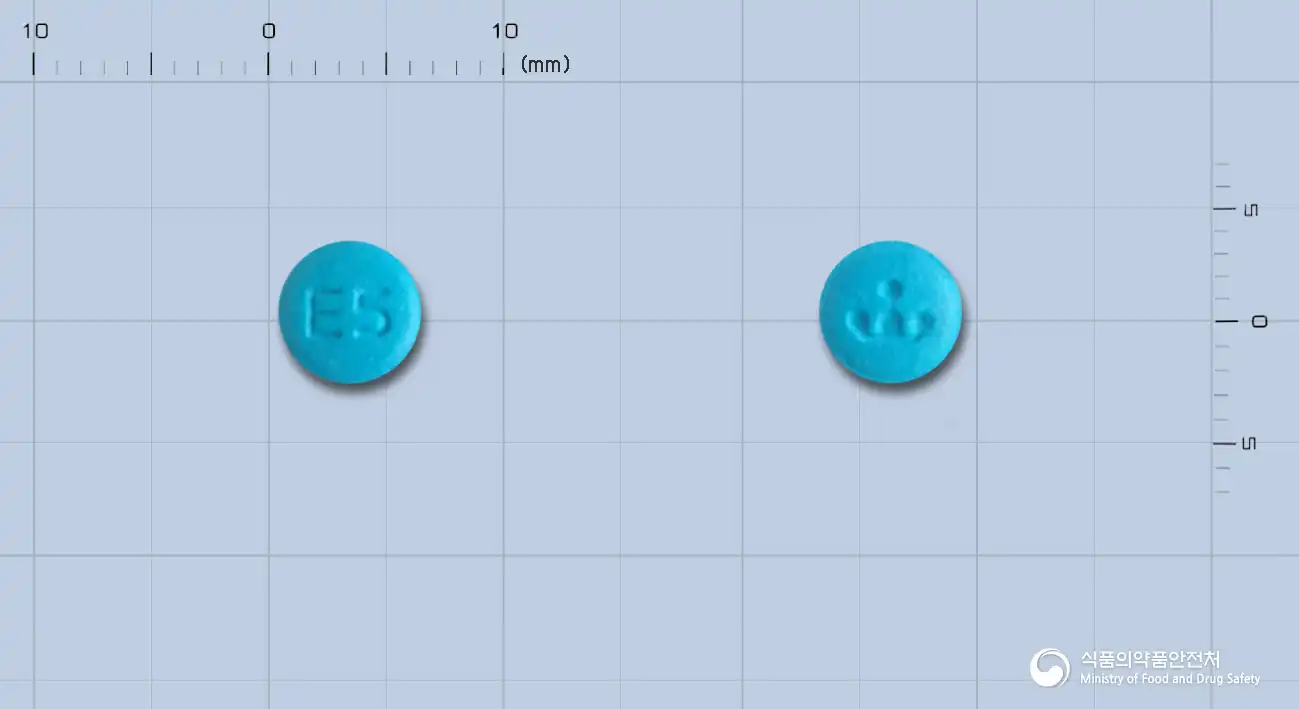
This medication is a blue film-coated tablet.
100 tablets/bottle, 1000 tablets/bottle
Even with the same ingredient, strength, dosage form and how it is taken can differ.
Viewing nowAmitriptyline Hydrochloride 10mg
Tablet · Prescription medication
Dongwha Pharmaceutical Co., Ltd.

Amitriptyline Hydrochloride 10mg
Tablet · Prescription medication
Hanhin Pharmaceutical Co., Ltd.

Amitriptyline Hydrochloride 25mg
Tablet · Prescription medication
Dongwha Pharmaceutical Co., Ltd.

Amitriptyline Hydrochloride 10mg
Tablet · Prescription medication
Myungin Pharmaceutical Co., Ltd.
Amitriptyline Hydrochloride 5mg
Tablet · Prescription medication
Hanlin Pharmaceutical Co., Ltd.
Even with the same ingredient, the dose and directions can differ by strength and dosage form. Talk to a doctor or pharmacist before switching from a medication you are already taking.
No questions yet.
For anything that needs medical judgment, consult a doctor or pharmacist.
This drug information is based on data provided by the Korea Ministry of Food and Drug Safety.
Consult a doctor or pharmacist for accurate dosage, administration, and usage instructions.