
 한국어
한국어 English
 日本語
日本語 中文(简体)
Dosage form image
Viewing nowKorean Chloride-40 (Potassium Chloride Injection)
Potassium Chloride 0.15g
Injections · Prescription medication
Daehan Pharmaceutical Industry Co., Ltd.
MFDS item code 197400077 · Notified 1974.12.04 · Insurance code 645100863
Treatment of hypokalemia and digitalis toxicity
This medication is primarily used to treat hypokalemia, especially hypokalemia that occurs after taking diuretics. It also helps improve side effects associated with digitalis toxicity. In other words, it normalizes potassium levels and alleviates heart-related problems.
[Tablets] Treatment dose: usually 1,200-3,000mg of potassium chloride per day divided into appropriate doses. Preventive dose: in patients receiving diuretics, 600mg should be taken once daily immediately after meals without chewing or crushing. [Injection] Typically dilute 0.5-3g of potassium chloride in a diluent such as Ringer's solution to a concentration of less than 0.3% (40 mEq of potassium) and administer intravenously at a rate of less than 8mL per minute for more than 4 hours.
When using glass ampoules, there is a risk of glass fragments contaminating the solution, so they must be cut cleanly and safely. Extra caution is required, especially when used by children or the elderly. This medication should not be used in patients who are allergic to its components, have poor kidney function, have heart problems, are in acute dehydration, have severe burns, have gastrointestinal issues or obstructions, have had heart surgery, or have hyperkalemia. Patients with reduced kidney function, heart disease, conditions prone to hyperkalemia, and hyperchloremia should use this medication very cautiously. Using this medication may lead to symptoms of potassium excess such as tingling in hands and feet, muscle paralysis, mental confusion, reduced blood pressure, and cardiac arrhythmias. Digestive issues such as nausea, vomiting, abdominal discomfort, diarrhea, and alterations in ECG may also occur. It is important to regularly monitor potassium levels in the blood and ECG changes as muscle tension reduction and heart function abnormalities may occur. Especially with prolonged use, more thorough examinations are needed, and if hyperkalemia develops, use must be stopped immediately. If used with potassium-rich drugs, the risk of hyperkalemia increases, so patients taking such medications should frequently check their serum potassium levels. Pregnant or breastfeeding women should use this medication cautiously as its safety has not been sufficiently established. Elderly individuals should be given special attention, such as dose reduction, due to decreased bodily functions. Overdosage can lead to severe hyperkalemia, and if symptoms occur, use should be stopped immediately, and appropriate treatment should be sought. Treatments may include calcium administration, insulin and glucose therapy, ion exchange resins, or dialysis. This medication must be administered solely via intravenous injection, and it must be adequately diluted and mixed before use. Not diluting properly may pose risks to the heart, so prescribed concentrations and dosages must be adhered to. The rate of administration should not exceed 20mEq of potassium per hour, and when used with other electrolytes, the electrolyte balance should be monitored closely.
Not everyone experiences these, and they can vary from person to person.
This medication should be stored in a sealed container to prevent contact with air, at a temperature between 1°C and 30°C. This storage will help keep the medication's efficacy intact.
A colorless, transparent liquid in a colorless, transparent glass or plastic (polypropylene or polyethylene, composite film plastic) injectable container.
20 mL × 50 ampoules
Even with the same ingredient, strength, dosage form and how it is taken can differ.
Potassium Chloride 0.15g
Injections · Prescription medication
Daehan Pharmaceutical Industry Co., Ltd.
Potassium Chloride 0.15g
Solution · Prescription medication
JW Pharmaceutical Corporation
Potassium Chloride 150mg
Prescription medication
Huons Co., Ltd.
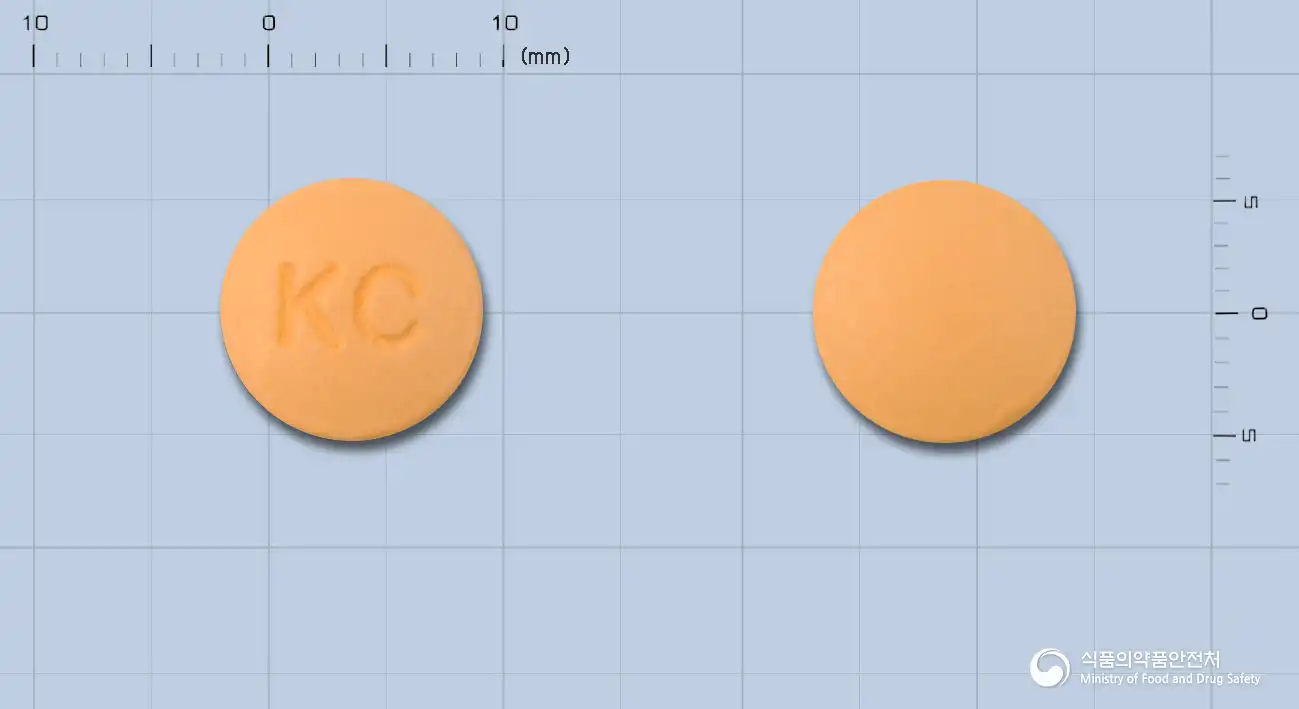
Potassium Chloride 600mg
Tablet · Prescription medication
Dongkwang Pharmaceutical Co., Ltd.
Potassium Chloride 0.15g
Injections · Prescription medication
Jeil Pharmaceutical Co., Ltd.
Potassium Chloride 74.55mg
Injections · Prescription medication
Daehan Pharmaceutical Industry Co., Ltd.
Even with the same ingredient, the dose and directions can differ by strength and dosage form. Talk to a doctor or pharmacist before switching from a medication you are already taking.
No questions yet.
For anything that needs medical judgment, consult a doctor or pharmacist.
This drug information is based on data provided by the Korea Ministry of Food and Drug Safety.
Consult a doctor or pharmacist for accurate dosage, administration, and usage instructions.