한국어
 English
 日本語
 中文(简体)
 Viewing now
Sensibal 10 mg Tablet (Nortriptyline Hydrochloride)
Nortriptyline Hydrochloride 11.4mg
Tablet · Prescription medication
Ilseong IS Co., Ltd.
MFDS item code 197300150 · Notified 1973.01.17 · Insurance code 655400770
Treatment of depression and depressive states (such as endogenous and reactive depression)
This medication is used for depression or depressive states, such as endogenous depression, reactive depression, degenerative depression, neurotic depression, and depressive states of organic brain disorders.
Adults: The initial dose is 10-25㎎ of nortriptyline per dose orally 3 times daily. Thereafter, gradually increase the dose if necessary while monitoring symptoms and adverse effects. A maximum of 150㎎ per day may be administered in 2-3 divided doses. Adjust the dose as appropriate according to age and symptoms.
This medication is an antidepressant used for the treatment of depression. Particular caution is required during the intake of this medication, especially in children, adolescents, and young adults aged 18 to 24, as there is an increased risk of suicidal thoughts or behaviors. This medication should not be administered to patients with certain health conditions. For example, individuals allergic to tricyclic antidepressants, those with glaucoma, heart disease, severe liver disease, conduction disorders, urinary retention, central nervous system depression, acute delirium, pyloric stenosis, paralytic ileus, manic patients, breastfeeding women, patients under 18 years of age, and those with genetic issues like lactose intolerance should not take this medication. Patients with heart disease, hyperthyroidism, epilepsy, bipolar disorder, schizophrenia, urinary difficulties, increased intraocular pressure, elderly individuals, etc., should use this medication with caution. During usage, symptoms such as mental and neurological disorders, blood abnormalities, gastrointestinal issues, neuroleptic malignant syndrome, endocrine disorders, cardiovascular issues, musculoskeletal problems, anticholinergic side effects, hypersensitive reactions, liver dysfunction, involuntary movements, and other symptoms may occur; therefore, it is vital to consult a physician immediately if these symptoms develop. This medication can cause drowsiness, decreased concentration, and slowed reflexes, so it is advisable to avoid driving or operating hazardous machinery. During the initial stages of antidepressant usage or when altering the dose, unusual behaviors such as suicidal thoughts, self-harm, or aggression may appear, and both the patient and family should observe carefully and consult medical professionals immediately if any warning signs emerge. This medication may interact with other drugs, so caution is required, especially when used in combination with MAO inhibitors, central nervous system depressants, anticholinergic agents, antihypertensives, and specific diabetes medications. Women who are pregnant or may become pregnant should take this medication cautiously after consulting a physician, and breastfeeding women are advised not to take it. Safety and efficacy in children and adolescents have not been established, so it is recommended that they do not use it. Elderly patients may experience side effects such as hypotension, dry mouth, urinary difficulties, constipation, and increased intraocular pressure, so treatment should begin with a low dose while monitoring their condition closely.
Increased suicidal tendency, seizures, tremors, Parkinsonian symptoms, ataxia, perceptual disturbances, hallucinations, delusions, mental confusion, insomnia, anxiety, restlessness, tinnitus, drowsiness, coma, extrapyramidal symptoms, changes in EEG, bone marrow dysfunction accompanied by agranulocytosis, leukopenia, eosinophilia, purpura, thrombocytopenia, bowel paralysis, loss of appetite, nausea, vomiting, severe constipation, abdominal distension, relaxation and intestinal obstruction, diarrhea, taste disturbances, motor paralysis, severe muscle rigidity, dysphagia, tachycardia, blood pressure changes, sweating, hyponatremia, increased sodium excretion in urine, polyuria, convulsions, consciousness disturbances, gynecomastia, breast enlargement, milk leakage, increased libido, decreased libido, erectile dysfunction, increased blood glucose, decreased blood glucose, hypotension, hypertension, palpitations, myocardial infarction, arrhythmia, syncope, Brugada syndrome, fractures, thirst, dysuria, increased intraocular pressure, disturbed accommodation, constipation, nasal congestion, urinary retention, blurred vision, mydriasis, sublingual glossitis, rash, itching, photosensitivity, urticaria, jaundice, increased AST, increased ALT, involuntary movements around the mouth, staggering, dizziness, malaise, headache, sweating, frequent urination, nocturia
Not everyone experiences these, and they can vary from person to person.
This medication should be stored in a tightly sealed container to protect it from air and moisture, maintaining a storage temperature that is room temperature, that is, a normal room temperature that is neither too hot nor too cold. Storing it this way can help maintain its effectiveness for a longer duration.
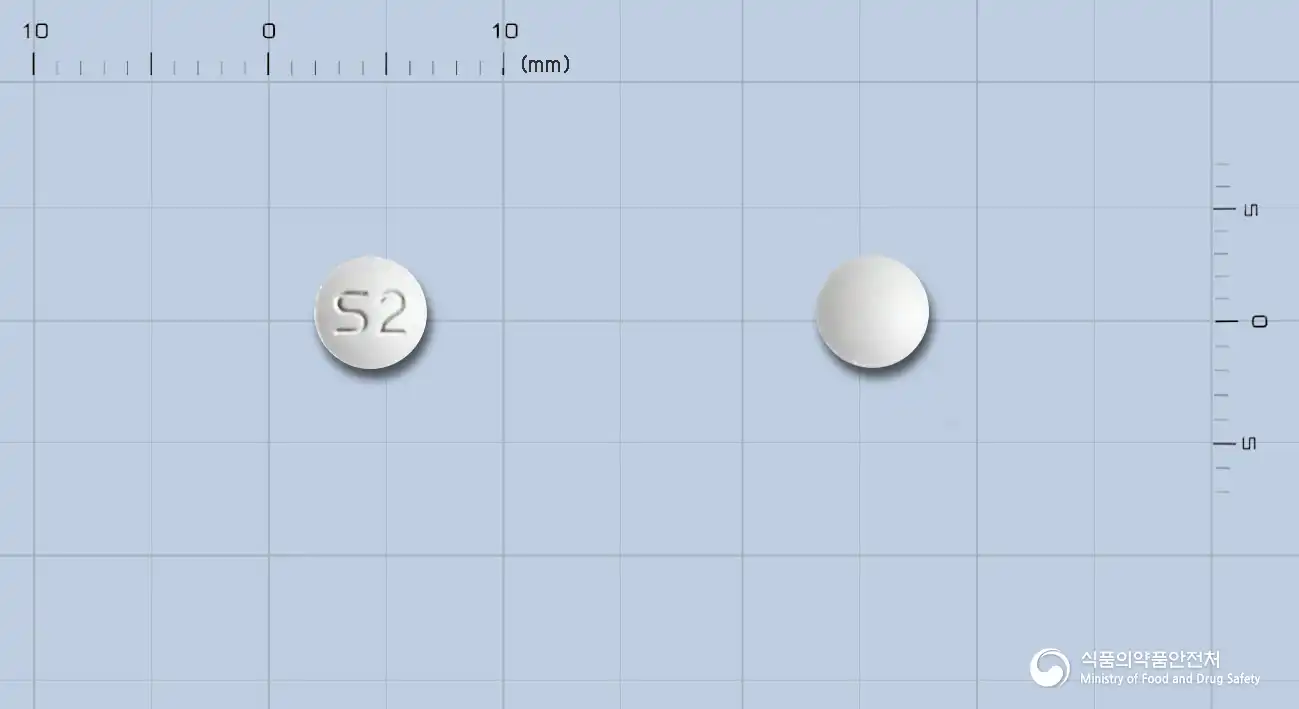
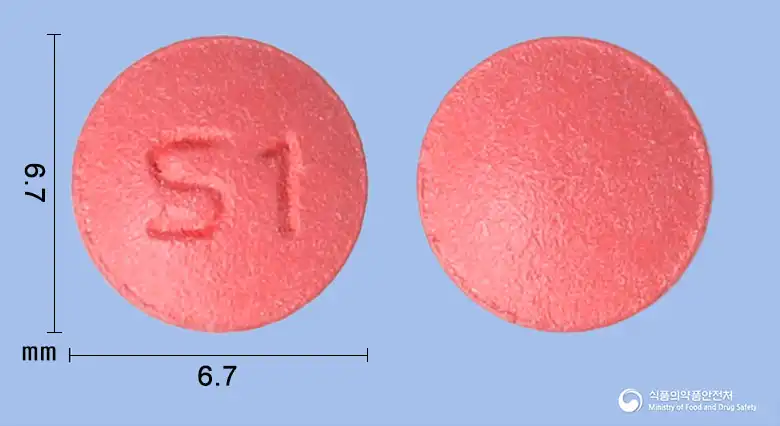
Pale red film-coated tablet
300 tablets/bottle
Even with the same ingredient, strength, dosage form and how it is taken can differ.
Even with the same ingredient, the dose and directions can differ by strength and dosage form. Talk to a doctor or pharmacist before switching from a medication you are already taking.
No questions yet.
For anything that needs medical judgment, consult a doctor or pharmacist.
This drug information is based on data provided by the Korea Ministry of Food and Drug Safety.
Consult a doctor or pharmacist for accurate dosage, administration, and usage instructions.