

..💕한밧드(0:01발송)
저희딸이 자궁 내믹증인데 이찌되었던 여성관련질환에 치료법이나오먼 반가운 소식이네요
좋은정보 걈사드립니다


Install the Cashdoc app
Cancer treatments are improving one by one.
Will it be conquered as vaccines are developed...
Ovarian cancer is said to be more dangerous than cervical cancer.
Uterine cancer is examined every other year through hysteroscopy.
We also perform cervical cancer screenings, and cervical cancer is the only type of cancer for which a vaccine is available.
However, ovarian cancer is also difficult to detect easily.
Cancer treatment is very difficult and challenging, but I'm glad a better treatment has been developed...
-------------------------

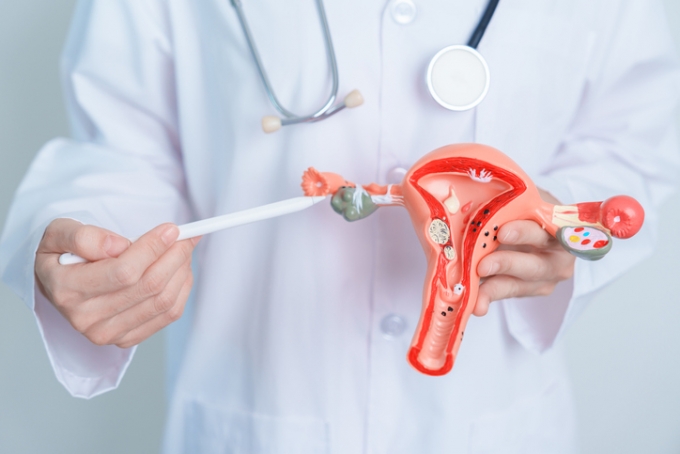
Ovarian cancer has a high mortality rate among cancers that occur in women. However, it is also known to be difficult to detect early. When ovarian cancer recurs, even if the patient receives treatment, if there are no more effective treatment options, the survival period is less than three months. This is the background of the medical community's struggle to improve the effectiveness of ovarian cancer treatment. Fortunately, there has been increased anticipation for a candidate immunotherapy drug for ovarian cancer (Oregovomab) that recently received approval from the Ministry of Food and Drug Safety for therapeutic use. I spoke with Professor Inhwan Hwang of the Department of Hematology and Oncology at Daejeon Eulji Medical Center about why ovarian cancer is difficult to treat and the new treatment methods for ovarian cancer that the medical community is hopeful about.
Ovarian cancer often does not show specific symptoms until it has progressed significantly. Sometimes, even when symptoms do appear, they are related to lower abdominal or stomach discomfort, pain, or digestive issues, which can be mistaken for other conditions, leading to delayed diagnosis. Most patients diagnosed with ovarian cancer only seek medical attention after a lump or mass is felt, by which time the disease is often advanced. Professor Hwang In-hwan explains, "When ovarian cancer is detected, it is usually advanced, and the standard treatment involves surgery to remove the tumor."
When it is difficult to completely remove the cancer, chemotherapy is often performed first to shrink the tumor before surgery. After recovery of health post-surgery, chemotherapy is initiated to eliminate cancer cells that could not be completely removed by surgery. However, the recurrence rate of such advanced ovarian cancer exceeds 70%. What treatment options can be considered when ovarian cancer recurs? Professor Hwang In-hwan said, "Targeted therapies are frequently used in combination with chemotherapy or alone," and "The duration and frequency of treatment are determined based on the type of cancer cells, the type of chemotherapy, the response rate to treatment, and the degree of side effects."
Targeted therapies inhibit the formation of new blood vessels in cancer cells that grow through the bloodstream. They also cause the regression of existing tumor blood vessels and regulate cancer cell growth, thereby treating the cancer. The representative targeted therapies commonly used are 'Bevacizumab' and 'PARP inhibitors.' PARP inhibitors are used as standard maintenance therapy after first-line treatment in ovarian cancer patients with BRCA gene mutations. Professor Hwang mentioned, "The average survival period for patients with recurrent ovarian cancer who have undergone treatment varies, but it is typically 2 to 3 years."
Recently, the medical community's expectations for the treatment effect of the immune therapy candidate 'Oregovomab,' which received approval from the Ministry of Food and Drug Safety for ovarian cancer treatment, have increased. Professor Hwang explained, "Oregovomab is an immunotherapy drug that specifically binds to the CA-125 antigen, which is highly expressed in the blood of ovarian cancer patients, thereby stimulating an immune response." He added, "CA-125 appears at high levels in the serum of ovarian cancer patients, and Oregovomab binds to CA-125 to facilitate easier binding to antigen-presenting cells, inducing a strong immune response." This mechanism enhances the immune response against cancer cells, resulting in an anti-cancer effect. In particular, higher antibody responses are associated with better treatment outcomes.
Due to these effects, the medical community is optimistic that Oregovomab, when combined with existing cancer treatments, could offer a new therapeutic option for patients with metastatic ovarian cancer. Clinical research results are also increasingly confirming the drug's efficacy. In a Phase 2 clinical trial, the progression-free survival (PFS) for patients receiving Oregovomab in combination was 41.8 months, more than 300% longer than that of conventional chemotherapy. Additionally, since 1995, a total of 18 clinical trials have been conducted, showing no increase in toxicity or side effects, thereby confirming its safety.
In particular, the follow-up results of the overall survival rate (OS) from the phase 2 clinical trial, which concluded statistical analysis in May, showed that the group treated with Oregovomab had a survival period of 121 months, which is 59 months longer than existing chemotherapy drugs. Professor Hwang stated, "More than half of the patients have survived for over 10 years after receiving Oregovomab," and added, "These results are expected to increase the likelihood of success in a global phase 3 clinical trial." Oregovomab has currently received approval from the U.S. FDA for phase 3 clinical trials, and is being conducted in 16 countries and over 160 hospitals worldwide, in combination with chemotherapy for newly diagnosed ovarian cancer patients.
In December of last year, the Ministry of Food and Drug Safety approved the off-label use of Oregovomab in combination with platinum for the treatment of recurrent metastatic ovarian cancer patients who have no effective treatment options (24 patients). The average survival time for recurrent ovarian cancer patients with no further treatment options is less than three months, but in a clinical trial conducted by Professor Choi Jong-geon’s team at Konyang University College of Medicine, most patients treated with Oregovomab have survived for more than a year to date.
What does this mean? Professor Hwang said, "The use of investigational drugs for treatment purposes is limited to 'recurrent ovarian cancer patients with no available curative therapy,' and he explained, 'Patients at this stage often have elevated CA-125 levels, which can lead to a strong immune response due to antibody reactions. This aligns with the mechanism of action of Oregovomab.'"
Traditional chemotherapy has significant side effects such as hair loss and organ damage, which greatly reduce patients' quality of life. In contrast, Oregovomab, as an immuno-oncology agent, has very few side effects, and it has been confirmed in patients participating in Konyang University’s off-label treatment study that their quality of life (QOL) recovers to a level comparable to that of ordinary people, without hindrance to daily life. Professor Hwang expressed optimism, saying, "Oregovomab will mark a groundbreaking turning point in ovarian cancer treatment. It will provide better treatment options for ovarian cancer patients and ultimately improve patient survival rates." He added, "However, since it is still in the phase 3 clinical trial stage, more research is needed."