
 한국어
한국어 English
 日本語
日本語 中文(简体)
 Viewing nowCombination
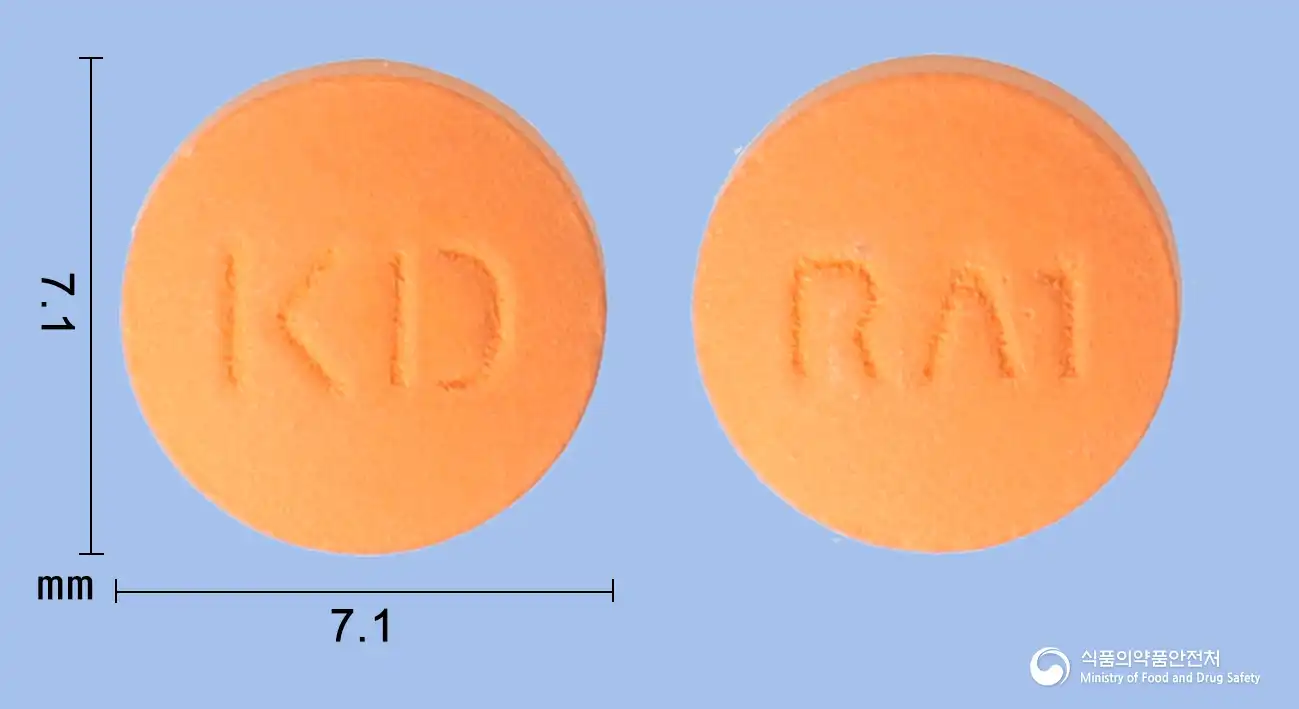
Lotodipine Tablets 5/5 mg (Rosuvastatin, Amlodipine)
Rosuvastatin Calcium 5.2mg · Amlodipine Besylate 6.944mg
Tablet · Prescription medication · Combination
Kyungdong Pharmaceutical Co., Ltd.
MFDS item code 202500591 · Approved 2025.03.18 · Insurance code 648105190
(Hypertension, Angina) Improvement of myocardial ischemia and (Hypercholesterolemia) Suppression of atherosclerosis progression
This medication is used for patients who require combination therapy with amlodipine and rosuvastatin. Amlodipine is effective in treating myocardial ischemia due to hypertension and stable or variant angina, reducing the risk of angina and vascular interventions in patients with coronary artery disease. Rosuvastatin is primarily used to control blood cholesterol levels in patients with primary and familial hypercholesterolemia, as well as combined hyperlipidemia, where dietary and exercise therapies are insufficient. It also plays a role in reducing the risk of stroke, myocardial infarction, and vascular recanalization in high-risk cardiovascular patients. The combination of these two medications improves both the prevention and treatment effects of cardiovascular diseases.
This medication is administered exclusively to adults, and the dosage should be individualized based on the efficacy and tolerability of amlodipine and rosuvastatin for each patient. ○ Amlodipine Adults: Amlodipine is taken orally once daily at 5 mg and may be increased to a maximum of 10 mg daily based on the patient's response. Adjust as appropriate according to symptoms. ○ Rosuvastatin The initial dose is 5 mg once daily, and for more significant LDL-cholesterol reduction needs, the maintenance dose can be adjusted accordingly.
This medication should not be used in patients who are allergic to certain ingredients or have shown hypersensitivity reactions. Women who are pregnant or may become pregnant, as well as nursing mothers, should not take this medication unless the likelihood of pregnancy is low and there is a full awareness of the risks to the fetus. Patients with severely impaired liver function or active liver disease, severe aortic stenosis, those in shock, muscle disorders, and those taking certain immunosuppressants should also avoid this medication. Patients with severe renal impairment should not use this drugs, and those at high risk for muscle disorders should be especially cautious. Patients with hypertension or renal failure, elderly patients, and those with myasthenia gravis should be closely monitored when using this medication, and regular liver function tests and muscle-related tests are recommended. If symptoms such as myalgia, muscle weakness, or cramps occur, patients should inform their healthcare provider immediately, and discontinuation of the medication may be necessary. This medication may affect the liver or kidneys, so regular testing is required, and rare but serious liver damage or severe muscle-related side effects may occur. Additionally, interactions may arise when used with other medications, so current medications must be disclosed to the doctor or pharmacist. Pregnant or nursing women should not take this medication and women capable of becoming pregnant should use appropriate contraception. Safety in children is not established, hence it is not administered to pediatric patients. In cases of overdose, severe hypotension or cardiac symptoms may occur, necessitating immediate emergency treatment, and this medication should be kept out of reach of children.
Urticaria, angioedema, Stevens-Johnson syndrome, drug reaction with eosinophilia and systemic symptoms, severe edema, jaundice, hepatitis, abnormal liver function tests, severe muscle weakness, ophthalmoplegia, myopathy, rhabdomyolysis, acute renal failure, thrombocytopenia, oliguria, severe allergic reactions, severe skin reactions, respiratory issues, liver abnormalities (jaundice), severe neurological symptoms, severe edema, or urinary abnormalities
Not everyone experiences these, and they can vary from person to person.
This medication should be stored in a tightly closed container to avoid exposure to air and moisture. Additionally, it is best to keep the medication at room temperature, not exceeding 30°C or falling below 1°C.
Orange round film-coated tablet
30 tablets/bottle
Even with the same ingredient, strength, dosage form and how it is taken can differ.
Viewing nowCombinationRosuvastatin Calcium 5.2mg · Amlodipine Besylate 6.944mg
Tablet · Prescription medication · Combination
Kyungdong Pharmaceutical Co., Ltd.
 Combination
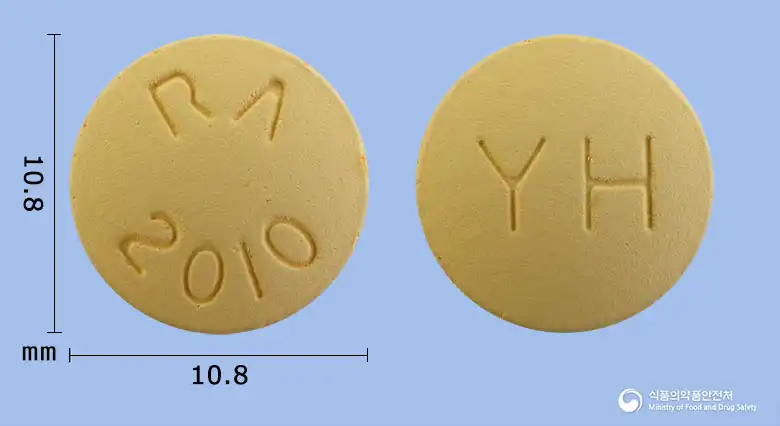
Rosuvastatin Calcium 20.8mg · Amlodipine Besylate 13.889mg
Tablet · Prescription medication · Combination
Yuhan Corporation
 Combination
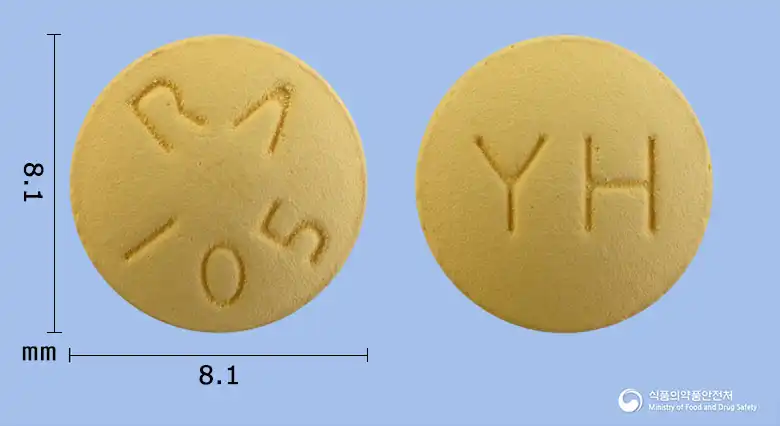
Rosuvastatin Calcium 10.4mg · Amlodipine Besylate 6.944mg
Tablet · Prescription medication · Combination
Yuhan Corporation
 Combination
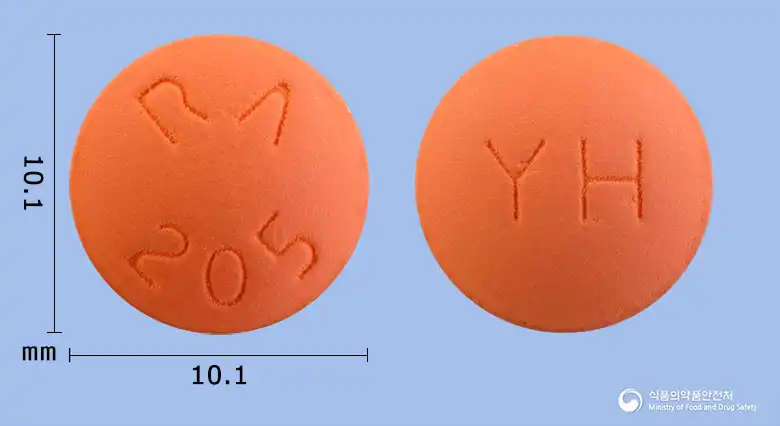
Rosuvastatin Calcium 20.8mg · Amlodipine Besylate 6.944mg
Tablet · Prescription medication · Combination
Yuhan Corporation
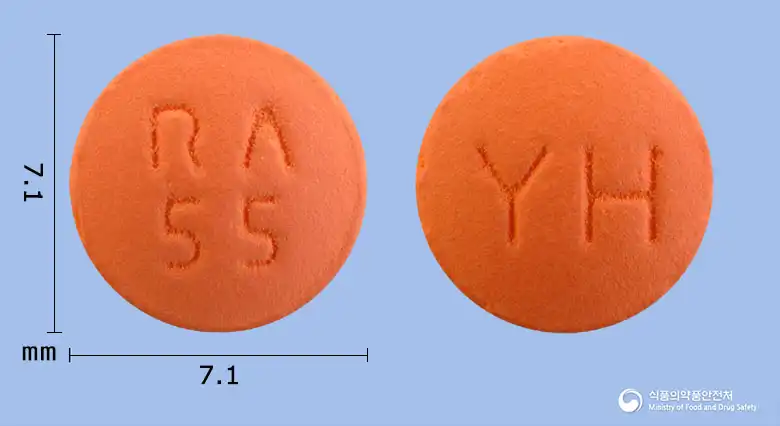 Combination
Rosuvastatin Calcium 5.2mg · Amlodipine Besylate 6.944mg
Tablet · Prescription medication · Combination
Yuhan Corporation
Rosuvastatin Calcium 5.2mg · Amlodipine Besylate 13.889mg
Tablet · Prescription medication · Combination
Yuhan Corporation
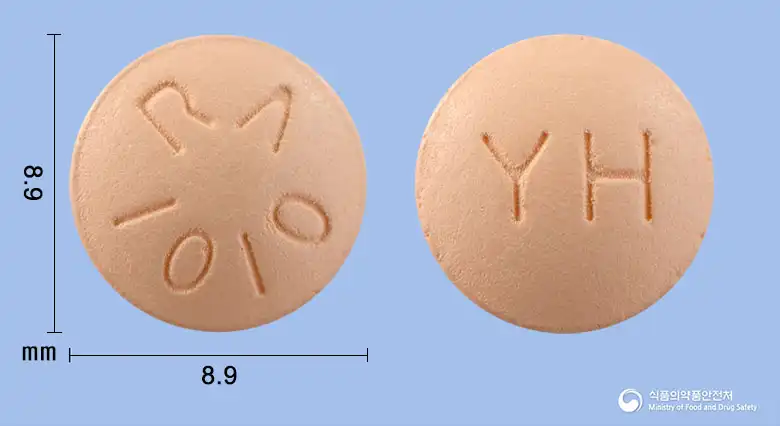 Combination
Rosuvastatin Calcium 10.4mg · Amlodipine Besylate 13.889mg
Tablet · Prescription medication · Combination
Yuhan Corporation
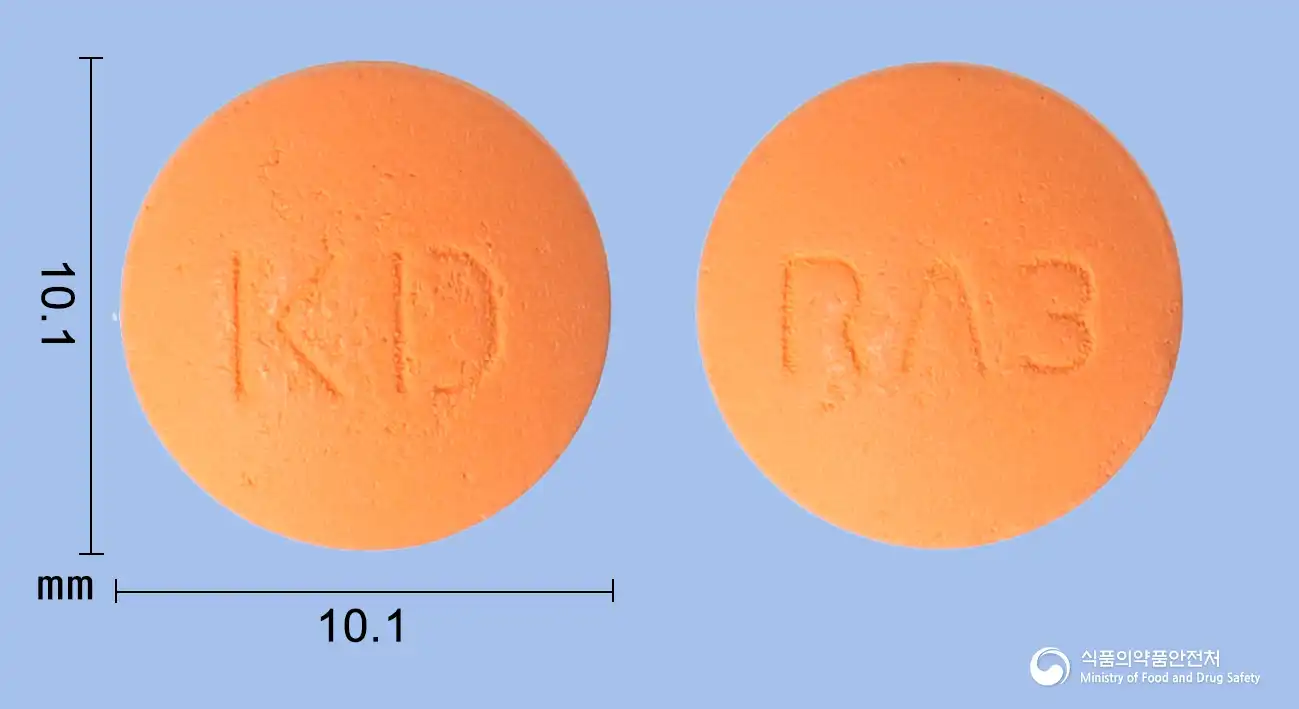 Combination
Rosuvastatin Calcium 20.8mg · Amlodipine Besylate 6.944mg
Tablet · Prescription medication · Combination
Kyungdong Pharmaceutical Co., Ltd.
Even with the same ingredient, the dose and directions can differ by strength and dosage form. Talk to a doctor or pharmacist before switching from a medication you are already taking.
No questions yet.
For anything that needs medical judgment, consult a doctor or pharmacist.
This drug information is based on data provided by the Korea Ministry of Food and Drug Safety.
Consult a doctor or pharmacist for accurate dosage, administration, and usage instructions.