
 한국어
한국어 English
 日本語
日本語 中文(简体)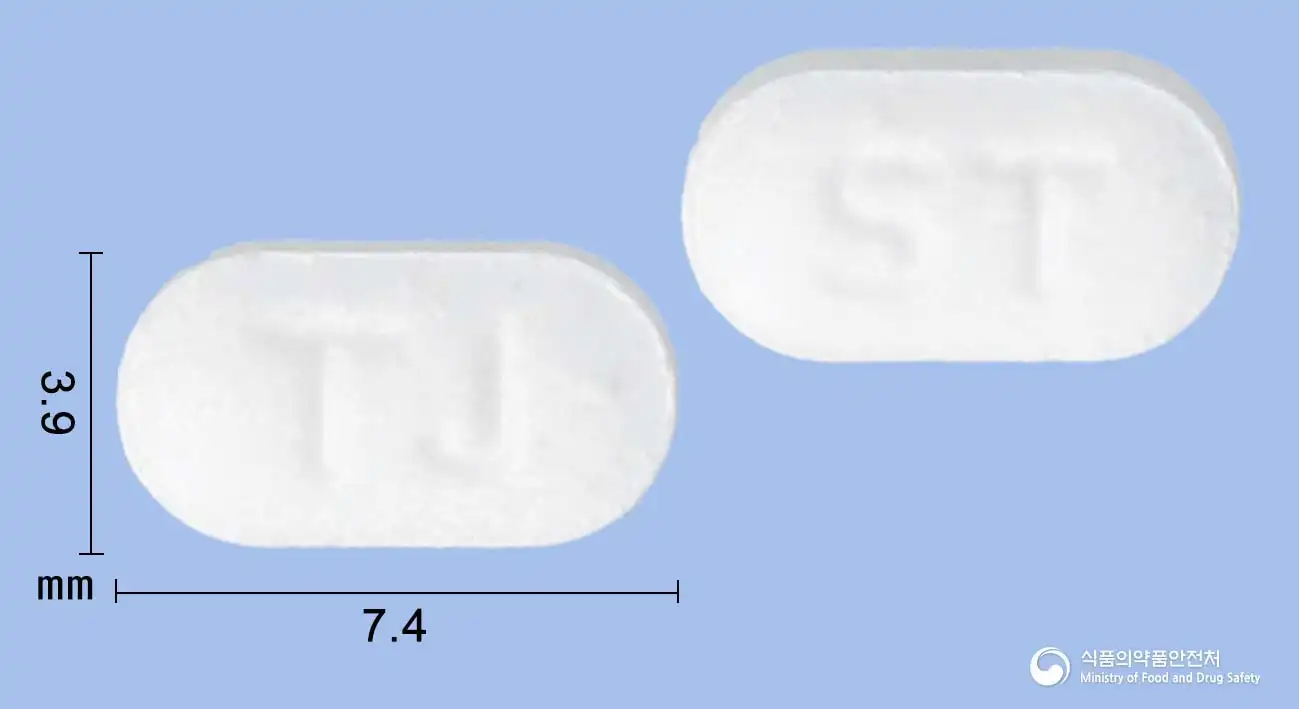
Summary
- Main use
- Bowel cleansing effect for pre-treatment before colon examination
- Who takes it
- Adults
- Adult dose
- Divided administration over two days. 1st Dosage) On the evening before the examination, take approximately 6 packets with 420 mL of water, and then take an additional 420 mL of water twice over the next hour. 2nd Dosage) On the morning of the examination day, take approximately 6 packets with 420 mL of water, and then take an additional 420 mL of water twice over the next hour. Complete the administration and additional water intake at least 2 hours before the examination or by the time instructed by the doctor.
Ingredients
- Anhydrous Sodium Sulfate116.6667mg / 1 tablet
- Potassium Sulfate20mg / 1 tablet
- Sodium Chloride3.3333mg / 1 tablet
- Potassium Chloride1.6667mg / 1 tablet
- Simethicone1.0667mg / 1 tablet
- Manufacturer
- (주)태준제약
Efficacy & effects
Bowel cleansing effect for pre-treatment before colon examination
View approved original textHide original text
This medication is used to clean the bowel prior to a colon examination. It primarily helps remove the contents of the bowel before procedures such as colonoscopy or X-ray examinations. This medicine is used to enhance the accuracy of the examination results and reduce discomfort during the examination. It is used for bowel cleansing in the pre-treatment process for colon examinations.
How to take
Adult dose
Divided administration over two days. 1st Dosage) On the evening before the examination, take approximately 6 packets with 420 mL of water, and then take an additional 420 mL of water twice over the next hour. 2nd Dosage) On the morning of the examination day, take approximately 6 packets with 420 mL of water, and then take an additional 420 mL of water twice over the next hour. Complete the administration and additional water intake at least 2 hours before the examination or by the time instructed by the doctor.
Precautions
This medication should not be used by individuals who are allergic to this drug or any of its components. It should not be administered in cases of suspected bowel obstruction or perforation, conditions where the stomach is not functioning properly, or in patients with bowel obstruction, toxic colitis, or toxic megacolon. Patients with severely impaired kidney function or severe dehydration, patients with ascites, or congestive heart failure should also avoid using this medication. Caution should be exercised when this drug is used by patients with severely abnormal levels of body fluids or electrolytes, a history of seizures, or those at high risk of arrhythmias, and those taking medications that may affect kidney function. Patients with ulcers in the bowel lining, ischemic colitis, severe active ulcerative colitis, patients with vomiting reflex impairment, or those at risk of aspiration should also be administered with caution. This medication can induce diarrhea, so it is important to ensure adequate hydration before and after taking the drug, and to consult medical personnel immediately if symptoms of vomiting or dehydration appear. Electrolyte imbalances may lead to serious side effects such as cardiac arrhythmias or seizures, so it is important to normalize the condition in patients at risk before administration. This drug may temporarily raise blood uric acid levels, so caution should be exercised in patients with gout, and those with heart diseases or a history of arrhythmia should consider an ECG before use. This medication should be taken with plenty of water; insufficient water intake may increase the risk of nausea, vomiting, dehydration, and electrolyte imbalances. Pregnant women should use this medication only when the diagnostic benefits outweigh the risks, as its safety during pregnancy has not been fully established, and caution is also advised for breastfeeding women. The safety and efficacy of this medication in pediatric patients have not been established, so its use is not recommended. Elderly patients are more likely to have impaired liver, kidney, or heart function and may be more susceptible to fluid and electrolyte abnormalities, so caution should be exercised during use. This medication should be kept out of reach of children, and transferring it to another container may result in decreased quality or accidents, so it is advisable to keep it in its original container.
Side effects and when to seek care immediately
Serious side effects
Severe allergic reactions (hypersensitivity), arrhythmias due to fluid and electrolyte imbalances, seizures, renal impairment, seizures (including loss of consciousness), serious arrhythmias, severe edema or urination abnormalities, bowel mucosal ulcers and ischemic colitis, severe active ulcerative colitis, dehydration, seizures due to electrolyte imbalances, renal failure (severe kidney impairment), severe edema (ascites, congestive heart failure), decreased heart function, etc.
Mild side effects
- Nausea
- vomiting
- abdominal pain
- abdominal distension
- Helicobacter pylori gastritis
- thirst
- lethargy
- headache
- dizziness
Not everyone experiences these, and they can vary from person to person.
Storage
This medication must be stored in a tightly closed container to avoid exposure to air or moisture. It is recommended to maintain the storage temperature at room temperature between 1 and 30 degrees Celsius.
Appearance and packaging
Appearance
White to off-white rectangular film-coated tablet
Package unit
Stick pack - 25 tablets/pack [25 tablets/pack x 12 packs/carton]
Questions about this medicine
No questions yet.
For anything that needs medical judgment, consult a doctor or pharmacist.