
 한국어
한국어 English
 日本語
日本語 中文(简体)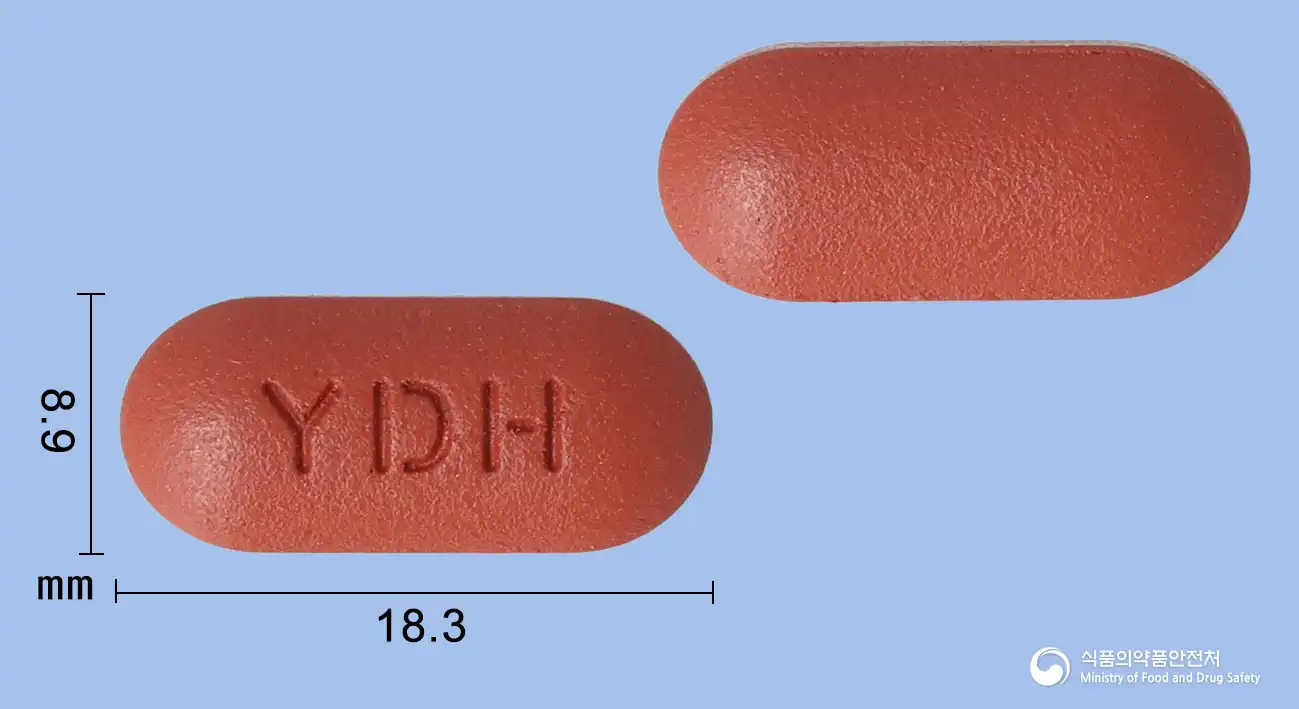
Summary
- Main use
- Prevention of rickets and bone growth issues, relief from neuralgia and muscle pain, improvement of dermatitis
- Who takes it
- Adults
- Adult dose
- Adults aged 19 and over should take 1 tablet once a day.
Ingredients
- Ursodeoxycholic Acid60mg / 1 tablet
- Ubidecarenone10mg / 1 tablet
- Benfotiamine110mg / 1 tablet
- Riboflavin50mg / 1 tablet
- Pyridoxine Hydrochloride50mg / 1 tablet
- Ascorbic Acid100mg / 1 tablet
- Selenium In Dried Yeast46.3mg / 1 tablet
- Zinc Oxide30mg / 1 tablet
- Cholecalciferol Concentrate Powder10mg / 1 tablet
- D-Biotin0.2mg / 1 tablet
- Mecobalamin1mg / 1 tablet
- Bisbentiamine20mg / 1 tablet
- Tocopherol Acetate Powder 50%40mg / 1 tablet
- Calcium Pantothenate50mg / 1 tablet
- Magnesium Oxide100mg / 1 tablet
- Nicotinamide50mg / 1 tablet
- Manufacturer
- 메딕스제약(주)
Efficacy & effects
Prevention of rickets and bone growth issues, relief from neuralgia and muscle pain, improvement of dermatitis
- Physical fatigue
- decreased physical strength
- bone growth issues
- rickets
- neuralgia
- muscle pain
- joint pain
- angular cheilitis
- cheilitis
- stomatitis
- glossitis
- eczema
View approved original textHide original text
The vitamins D, E, B1, B2, B6, C, and zinc contained in this medication help in various situations. It is used to improve physical strength in cases of fatigue, during pregnancy and lactation, during and after illness, in developmental stages, and in old age. It is also effective in preventing bone and teeth growth issues and rickets. It helps relieve pain such as neuralgia, muscle pain, and joint pain, as well as inflammation around the mouth (angular cheilitis, cheilitis, stomatitis, glossitis), and skin conditions like eczema and dermatitis. It is also used to improve beriberi and visual fatigue. Thus, this medication can comprehensively assist with various symptoms and situations.
How to take
Adult dose
Adults aged 19 and over should take 1 tablet once a day.
Precautions
This medication should not be taken by individuals with hypercalcemia, sarcoidosis, or kidney diseases. Additionally, those allergic to this medication or any of its components, infants under 12 months old, patients with kidney stones, patients with severe renal failure, and individuals allergic to soy oil, beans, or peanuts should also avoid taking it. During the course of this medication, it is advised not to take phosphate, calcium salts, oral tetracycline preparations, antacids, or levodopa. Individuals receiving treatment from a physician, those with oxalosis, pregnant or potentially pregnant women, nursing mothers, those with gastrointestinal diseases, cardiovascular disorders, renal disorders, hypoproteinemia, gout, or a history of kidney stones should consult a specialist before taking this medication. If symptoms such as nausea, vomiting, diarrhea, rash, dermatitis, hair loss, gastrointestinal disorders, hypotension, or pulmonary edema occur during administration, usage should be discontinued immediately and a specialist consulted. There is a risk of menstrual changes, increased risk of thrombosis, tolerance development, neurological symptoms, hematological adverse reactions, aggravation of peptic ulcers, liver damage, and edema as potential side effects, so caution is advised. It is important to adhere to the prescribed dosage, as it may affect urinalysis or clinical tests, thus consulting a specialist before and after tests is recommended. It’s advisable to avoid teas containing tannins like green tea and black tea before and after taking this medication, and patients at risk of fat overload should monitor plasma lipid levels while adjusting the dosage accordingly. This medication should be kept out of reach of children, stored in a cool, dry place away from direct sunlight, and kept sealed. To maintain quality, it is also important not to transfer it to another container.
Side effects and when to seek care immediately
Serious side effects
- Defibrillation (cardiac arrest)
- central nervous system dysfunction
- pulmonary edema (swelling)
Mild side effects
Nausea, vomiting, diarrhea, abdominal discomfort, constipation, rash, erythema, loose stools, red spots, dermatitis, unpleasant odor during sweating or breathing, hair loss, restlessness, gastrointestinal disturbances, digestive disorders, upper abdominal pain, hypotension, menstruation occurring earlier or increasing in amount, prolonged bleeding, sensory neuropathy or neurological symptoms, hematological adverse reactions, glucose intolerance impairment, hyperuricemia, liver damage, hypernatremia, congestive heart failure, edema, high
Not everyone experiences these, and they can vary from person to person.
Interactions
Drug interactions
This medication should not be taken with phosphates, calcium salts, oral tetracycline preparations, antacids, or levodopa. Women taking oral contraceptives containing estrogen should consult their doctor or pharmacist. Consultation with a doctor or pharmacist is also advised when taking in combination with aldosterone antagonists or triamterene.
Food interactions
This medication should avoid consumption with teas that contain tannins, such as green tea and black tea, during or before and after taking.
Storage
This medication should be stored in a tightly sealed container to prevent air or moisture ingress, preferably at room temperature between 1 to 30 degrees Celsius. Proper storage will help maintain the efficacy of the medication for a longer time.
Appearance and packaging
Appearance
Brown oblong film-coated tablet
Package unit
Bottle - 90 tablets/bottle
Questions about this medicine
QCan I take it with green tea?
It is recommended to avoid them. The prescribing information advises avoiding tea containing tannins, such as green tea and black tea, during and before taking this medication. It also states not to take antacids or calcium supplements together, so verify with a pharmacist if you are taking other medications.
Answers 1 · 2026.09.14
For anything that needs medical judgment, consult a doctor or pharmacist.