
 한국어
한국어 English
 日本語
日本語 中文(简体)
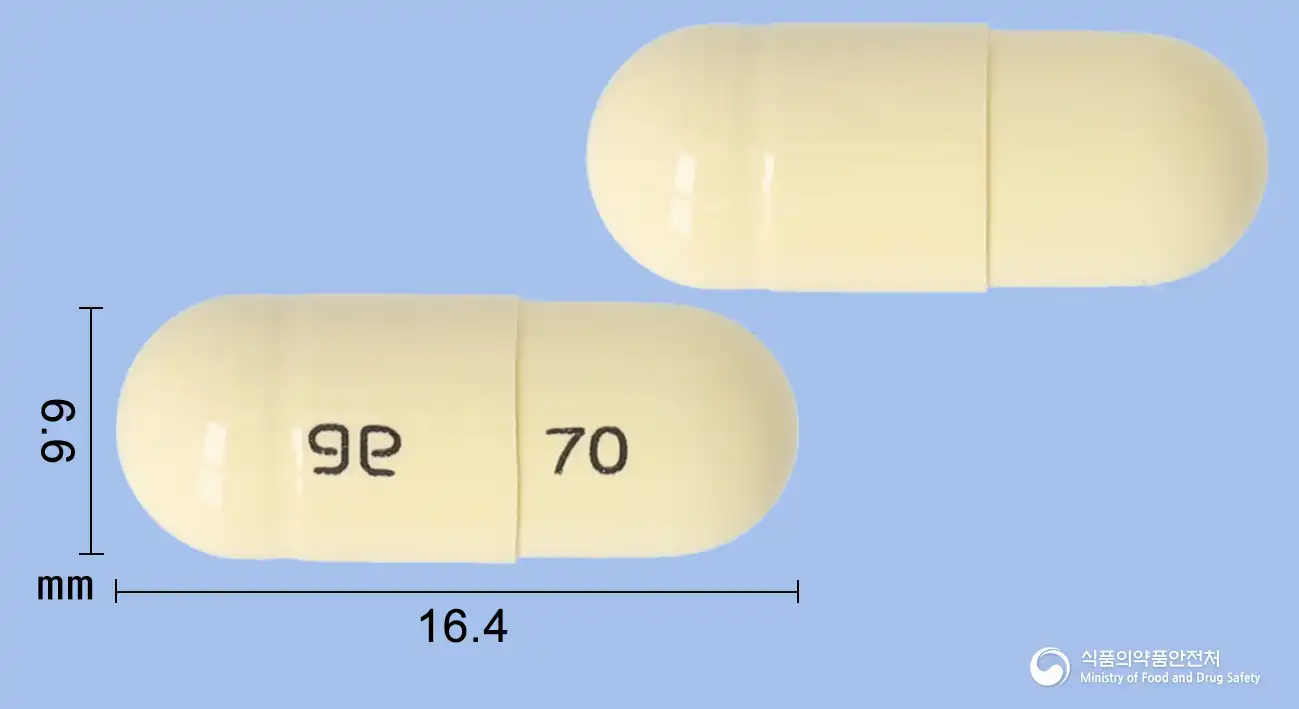 Viewing nowCombination
Asprazoal Capsule 100/5 mg (Aspirin, Rabeprazole)
Rabeprazole Sodium 5mg · Aspirin 100mg
Hard capsule · Prescription medication · Combination
GL Pharma Co., Ltd.
MFDS item code 202401369 · Approved 2024.05.31 · Insurance code 649703100
Effect of inhibiting thrombosis and reducing cardiovascular risk
Aspirin helps inhibit thrombus formation in cardiovascular diseases such as myocardial infarction, cerebral infarction, and unstable angina. It also plays a role in preventing thrombosis after coronary artery bypass grafting or percutaneous coronary intervention. There is also an effect in reducing cardiovascular risk in high-risk patients with multiple risk factors such as hypertension, diabetes, and hyperlipidemia. Therefore, Aspirin is a very important drug for the prevention and treatment of these cardiovascular diseases. Aspirin should be used cautiously in patients with a history of gastric or duodenal ulcers, improving the inhibition of thrombus formation in cardiovascular diseases.
The adult dosage is one capsule (Aspirin/Rabeprazole Sodium 100/5 mg) once daily. This medication should not be chewed or crushed; swallow it whole at once. It can be taken before meals with sufficient water.
This medication may cause gastrointestinal bleeding in individuals who regularly consume more than three alcoholic drinks per day, so it is important to consult a doctor or pharmacist. Individuals with allergies to any ingredients in this medication or similar drugs, as well as those with peptic ulcers, aspirin-induced asthma, hemophilia, severe liver or kidney dysfunction, heart failure, or bleeding tendencies should not take this medication. Additionally, those taking high doses of methotrexate, certain antiviral agents, or women who are pregnant or breastfeeding should not use this drug. Patients with kidney or liver dysfunction or those with cardiovascular diseases, blood disorders, asthma, or allergy history should use this medication cautiously, and elderly patients should be careful as well. During treatment, there may be unusual symptoms such as allergic reactions, skin rashes, difficulty breathing, bleeding, gastrointestinal disturbances, dizziness, liver or kidney dysfunction, and if any unusual symptoms occur, cease use and consult a physician immediately. Especially, for children under 14, rare but serious neurological side effects may occur after taking this medication during viral infections such as chickenpox or influenza, so caution is advised. For long-term use, regular blood tests and liver function tests should be conducted, and if any abnormalities are found, dosage adjustments or discontinuation may be necessary. If surgery is planned, especially if this medication is taken within one week prior to the surgery, the risk of bleeding may increase, so it is essential to inform medical personnel. This medication could heighten the risk of side effects when used with other anti-inflammatory pain relievers or certain medications, so it is advised to discuss with a doctor or pharmacist before use. During pregnancy, it may pose risks to the fetus and the mother, and during breastfeeding, this medication may be transferred through breast milk, so it is advisable not to use it. Elderly or young patients should take this medication at the minimum effective dose cautiously and closely monitor for any adverse reactions. In case of overdose, poisoning symptoms may appear, so it is crucial to visit a medical institution for appropriate treatment immediately. Store this medication out of the reach of children, protected from moisture and direct sunlight, and do not transfer it to another container.
Urticaria, severe swelling (edema), chest tightness, difficulty breathing, cold sweat, pallor, gastrointestinal bleeding, peptic ulcers, perforation, asthma attacks, anaphylaxis, generalized flushing, angioedema, Lyell's syndrome (toxic epidermal necrolysis), DRESS syndrome, Stevens-Johnson syndrome, exfoliative dermatitis, aplastic anemia, anemia, leukopenia, thrombocytopenia, impaired platelet function, hemolysis, and hemolytic anemia, liver dysfunction, liver transaminase
Not everyone experiences these, and they can vary from person to person.
This medication should be stored in a tightly sealed container to protect it from air and moisture. It is important to maintain storage temperatures between 1 degree and 30 degrees Celsius. This will safely preserve the effectiveness of the medication.
A pale yellow capsule containing white gastro-resistant tablets and yellow gastro-resistant tablets.
30 capsules/bottle, 300 capsules/bottle, 100 capsules/bottle
Even with the same ingredient, strength, dosage form and how it is taken can differ.
Viewing nowCombinationRabeprazole Sodium 5mg · Aspirin 100mg
Hard capsule · Prescription medication · Combination
GL Pharma Co., Ltd.
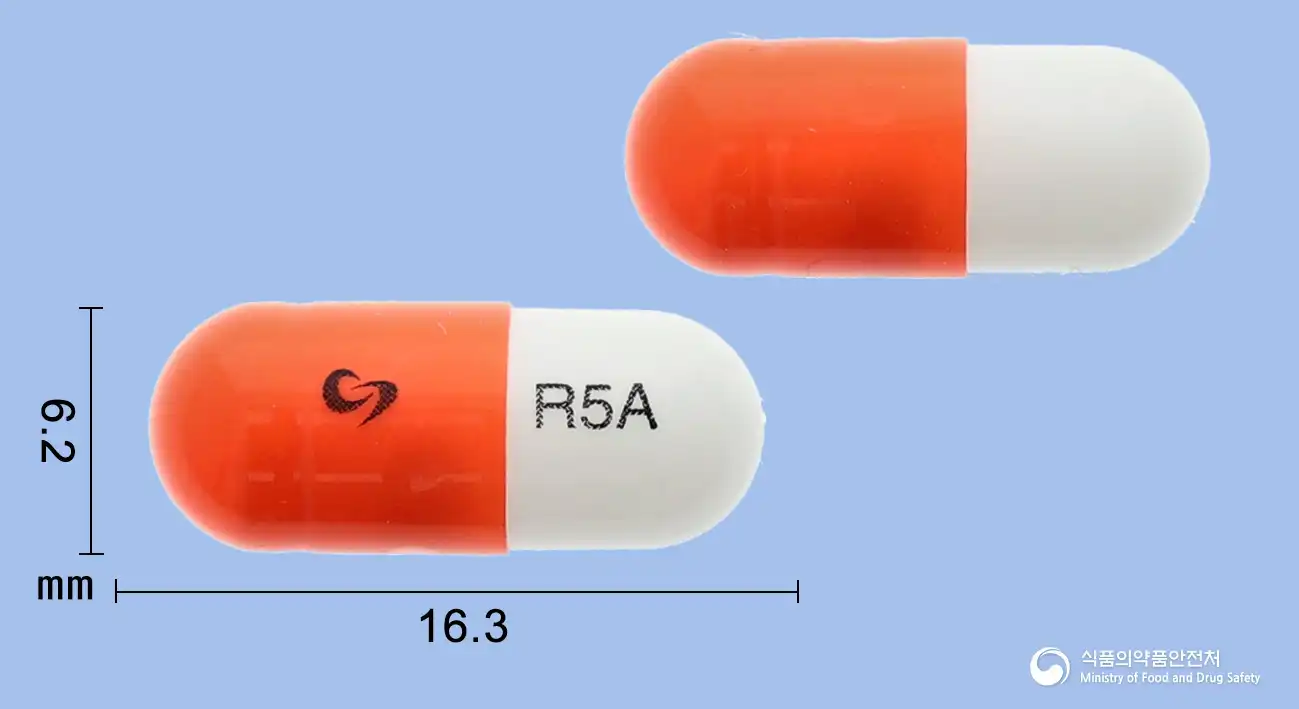 Combination
Rabeprazole Sodium 5mg · Aspirin 100mg
Hard capsule · Prescription medication · Combination
Dongguang Pharmaceutical Co., Ltd.
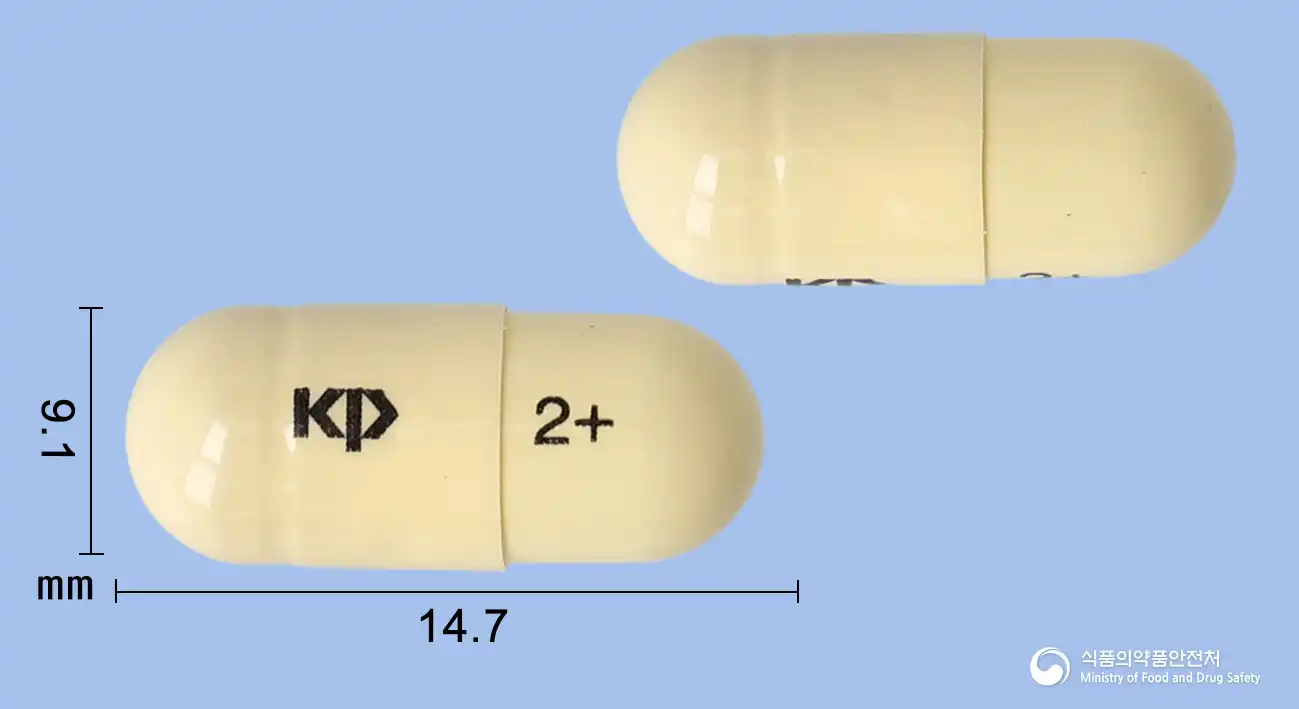 Combination
Rabeprazole Sodium 5mg · Aspirin 100mg
Hard capsule · Prescription medication · Combination
Korea Pharma Co., Ltd.
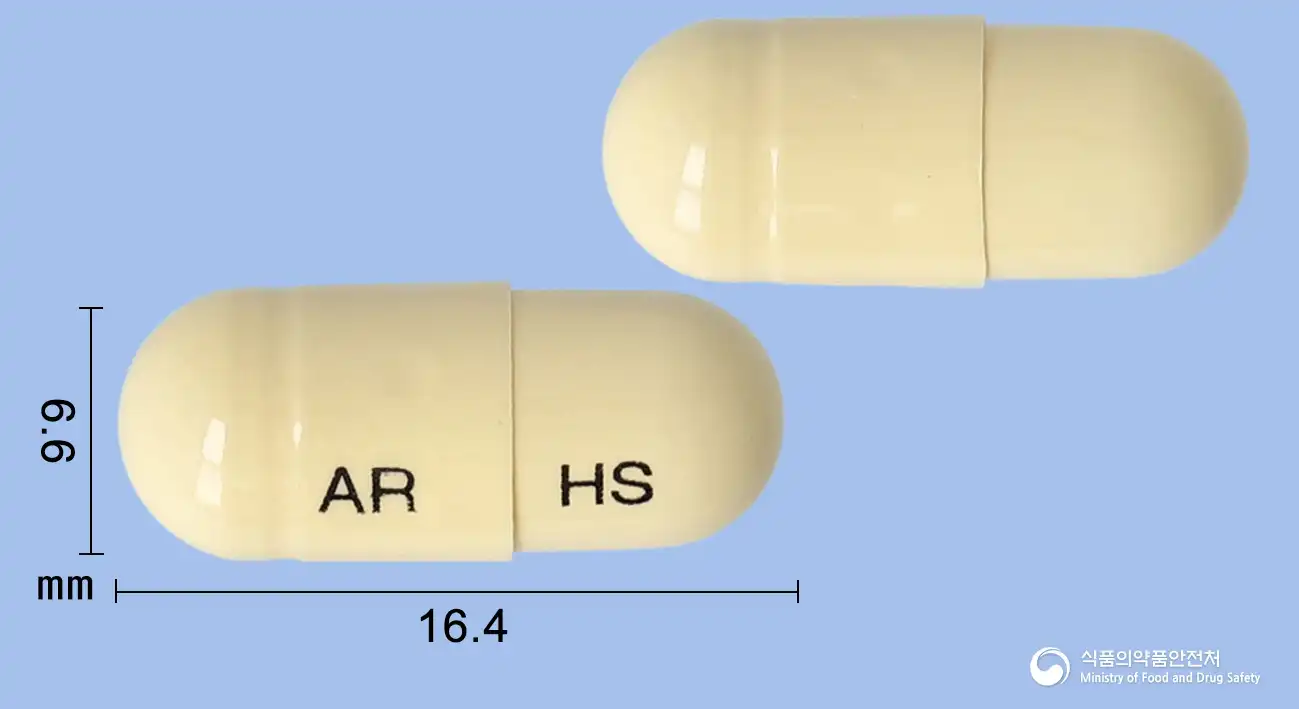 Combination
Rabeprazole Sodium 5mg · Aspirin 100mg
Hard capsule · Prescription medication · Combination
Huons Co., Ltd.
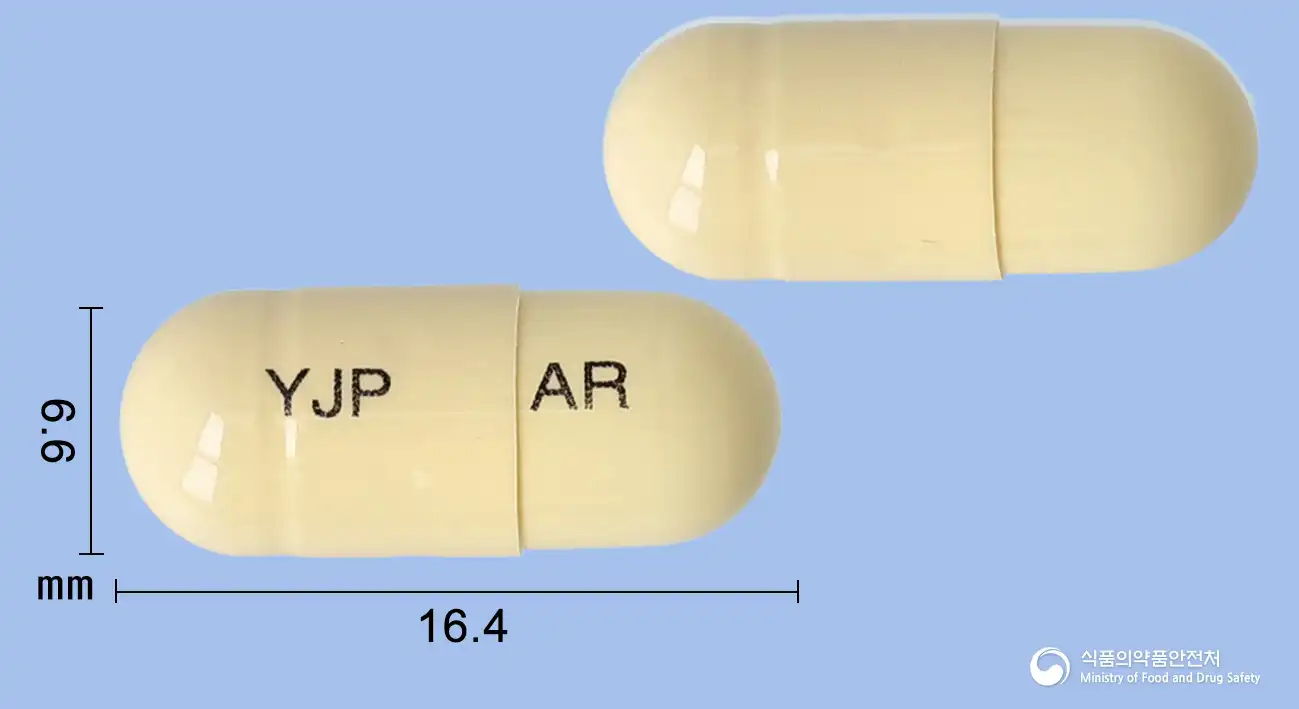 Combination
Rabeprazole Sodium 5mg · Aspirin 100mg
Hard capsule · Prescription medication · Combination
Youngjin Pharmaceutical Co., Ltd.
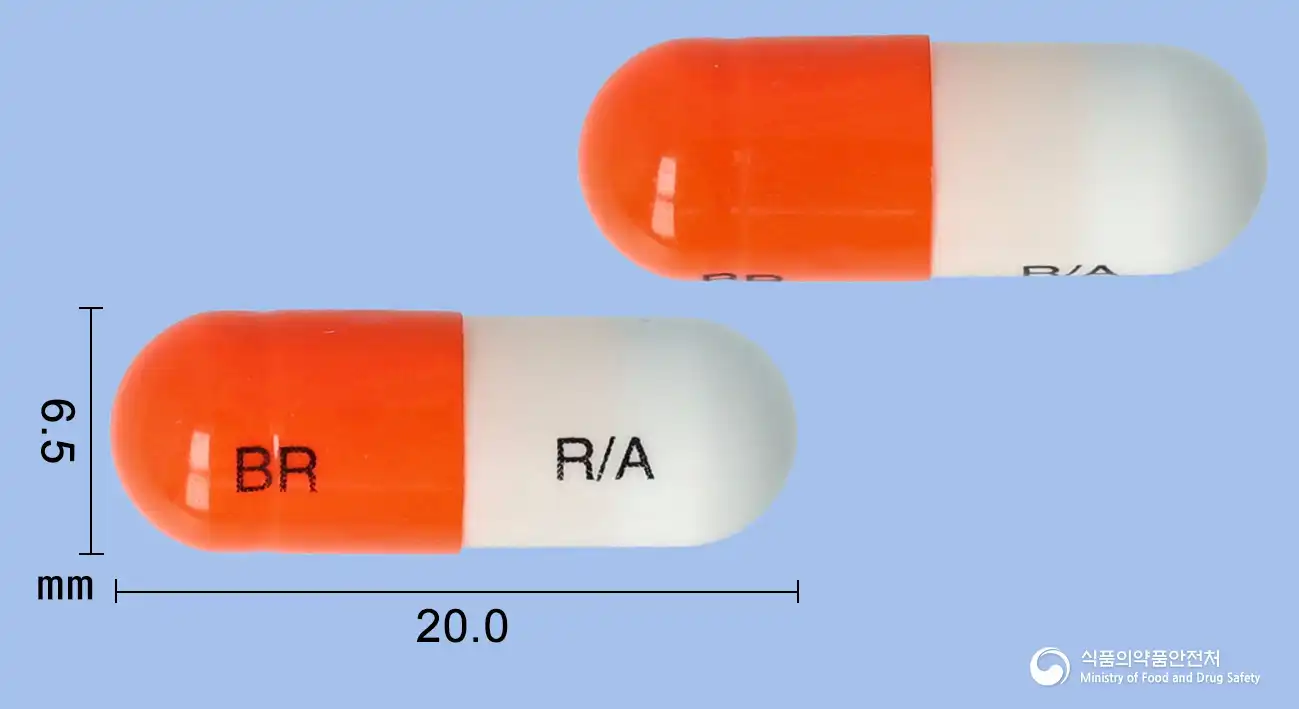 Combination
Rabeprazole Sodium 5mg · Aspirin 100mg
Hard capsule · Prescription medication · Combination
Boryung Pharmaceuticals Co., Ltd.
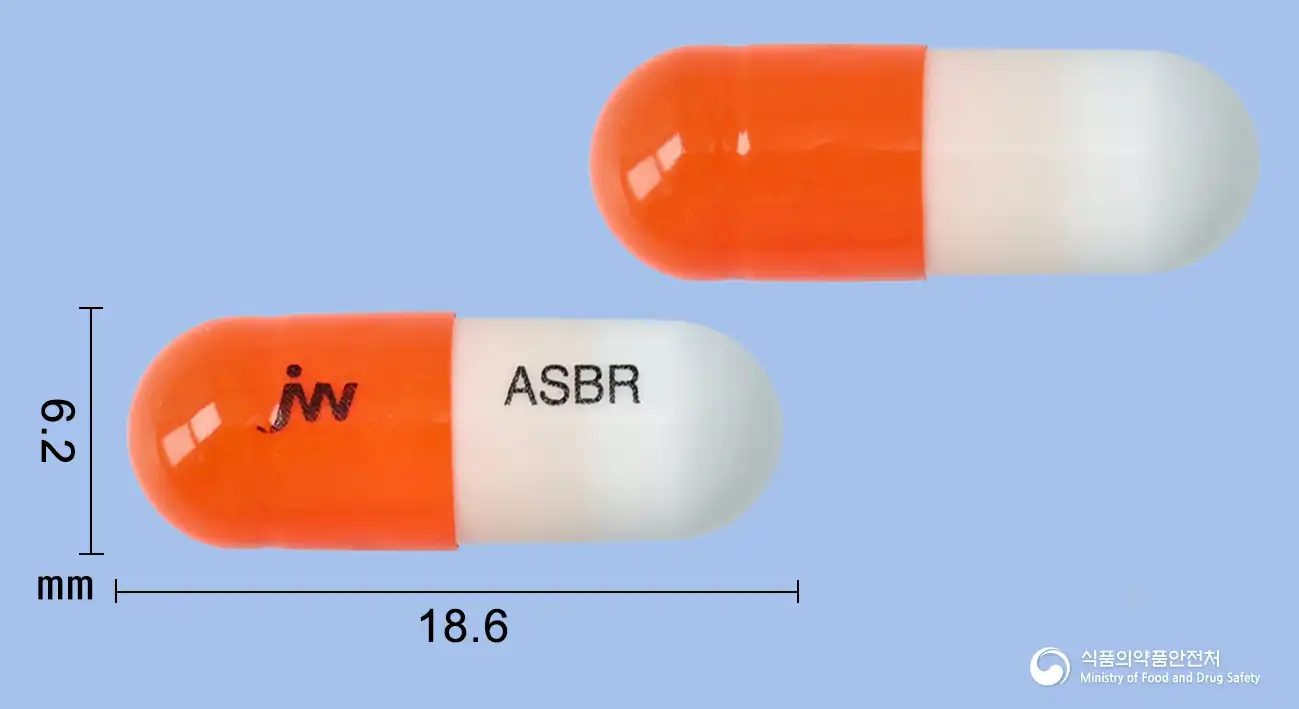 Combination
Rabeprazole Sodium 5mg · Aspirin 100mg
Hard capsule · Prescription medication · Combination
JW Pharmaceutical Corporation
Even with the same ingredient, the dose and directions can differ by strength and dosage form. Talk to a doctor or pharmacist before switching from a medication you are already taking.
No questions yet.
For anything that needs medical judgment, consult a doctor or pharmacist.
This drug information is based on data provided by the Korea Ministry of Food and Drug Safety.
Consult a doctor or pharmacist for accurate dosage, administration, and usage instructions.