
 한국어
한국어 English
 日本語
日本語 中文(简体)
 Viewing nowCombination
Lifomin Duo Sustained Release Tablet 2.5/1000 mg (Linagliptin, Metformin Hydrochloride)
Metformin Hydrochloride 1000mg · Linagliptin Micronized 2.5mg
Tablet · Prescription medication · Combination
Daehan New Pharm Co., Ltd.
MFDS item code 202400614 · Approved 2024.03.22 · Insurance code 669908380
Improvement of blood glucose control in type 2 diabetes
This medication helps patients with type 2 diabetes manage their blood sugar levels more effectively when combined with dietary and exercise therapy. Linagliptin and metformin work together to help improve blood sugar levels. Therefore, this medication is used to enhance blood glucose control in type 2 diabetes.
Take this medication once daily with dinner. For the 5/1000 mg sustained-release tablet, take 1 tablet once daily. For the 2.5/1000 mg sustained-release tablet, take 2 tablets once daily at the same time. The initial dose is 5 mg of linagliptin and 1000 mg of metformin hydrochloride, and the metformin hydrochloride can be gradually increased up to a maximum of 2000 mg per day. Metformin
This medication is a diabetes treatment consisting of metformin and linagliptin. It can rarely cause a serious condition called lactic acidosis, so it is not to be administered to patients with impaired kidney function or acute illnesses. Also, this medication should not be used by individuals allergic to its components or by patients with type 1 diabetes, acute pancreatitis, and others. During treatment with this medication, hypoglycemic symptoms may occur, especially when taken with other hypoglycemic agents such as insulin or sulfonylureas, so attention is needed. Patients with reduced kidney function or the elderly should regularly check their kidney function during treatment, and if kidney function falls below a certain level, this medication should be discontinued. It should be temporarily stopped in situations affecting kidney function, such as acute illnesses, surgery, or radiologic tests. If symptoms such as abdominal pain, weakness, or difficulty breathing occur during treatment, consult a doctor immediately as these may be signs of lactic acidosis. This medication may cause gastrointestinal disturbances, diarrhea, nausea, vomiting, etc., so it is advisable to take it during or after meals. Long-term use may lead to vitamin B12 deficiency, so testing vitamin B12 levels is necessary if anemia or neurological symptoms arise. It is preferred to avoid taking this medication during pregnancy or breastfeeding, and it is essential to consult a doctor if planning to become pregnant or if already pregnant. Do not crush or chew this medication; swallow it whole, and the tablet shell may appear in feces, which is normal. When taken with other medications, there is a possibility of interaction, particularly with drugs affecting kidney function or blood sugar, so follow your doctor's instructions. The effects on driving or operating machinery are unclear, so caution is required. In case of overdose, there is a risk of lactic acidosis, so seek immediate medical attention for appropriate treatment. This medication should be stored in a tightly closed container to avoid moisture and should be kept out of the reach of children, and it is advisable not to transfer to other containers.
Urticaria, angioedema, lactic acidosis, pancreatitis, bullous pemphigoid, abnormal liver function (liver dysfunction, hepatitis), acute kidney injury, heart failure, myocardial infarction, cardiac arrest, acute myocardial infarction, unstable angina, acute cholangitis, acute cholecystitis, cholangitis, cholelithiasis, dyspnea, asthma, chest tightness, severe swelling, hypertension, sudden severe headache, seizures, confusion, visual disturbances, paralysis, hypertension accompanying
Not everyone experiences these, and they can vary from person to person.
This medication should be stored in a tightly sealed container to prevent air and moisture from entering, at room temperature between 1 to 30 degrees Celsius. Storing it this way will maintain the effectiveness and ensure safe use of the medication.
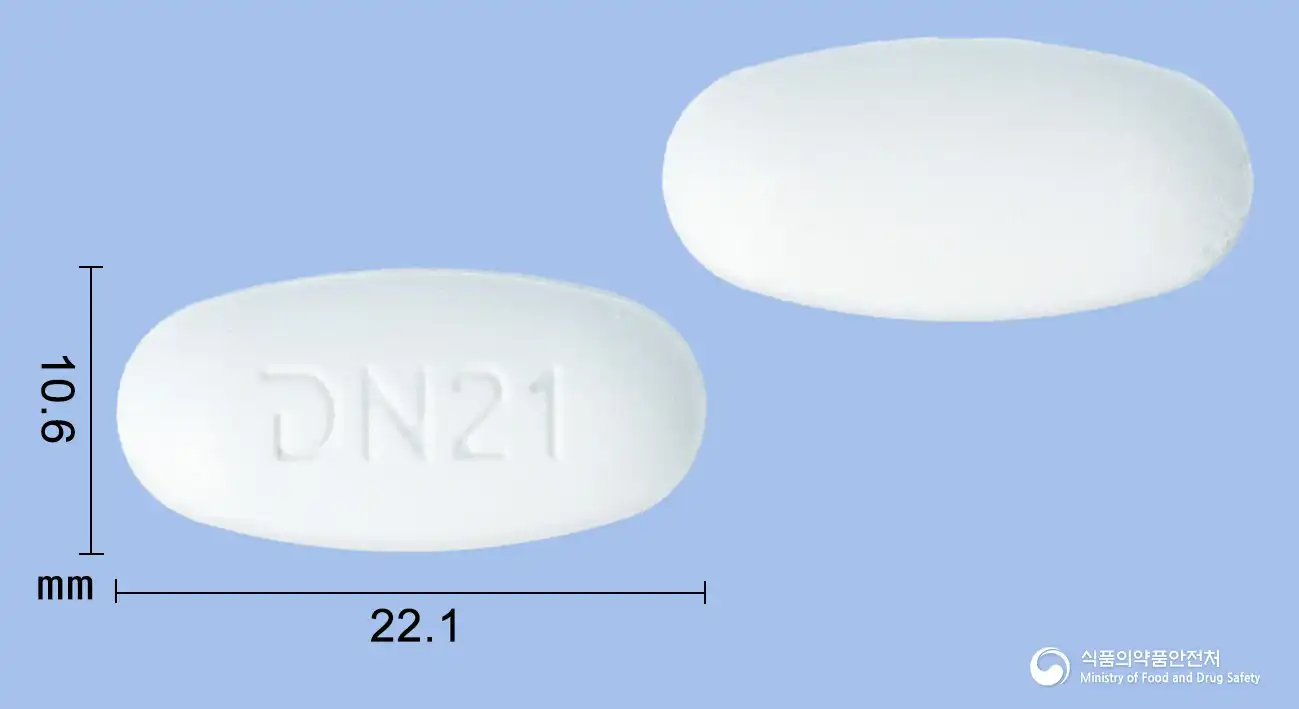
Oval sustained-release tablet, white to almost white, engraved with DN21 on one side
28 tablets/box [7 tablets/PTP x 4], 30 tablets/bottle
Even with the same ingredient, strength, dosage form and how it is taken can differ.
Viewing nowCombinationMetformin Hydrochloride 1000mg · Linagliptin Micronized 2.5mg
Tablet · Prescription medication · Combination
Daehan New Pharm Co., Ltd.
Linagliptin Micronized 2.5mg · Metformin Hydrochloride 1000mg
Tablet · Prescription medication · Combination
Samjin Pharmaceutical Co., Ltd.
Linagliptin Micronized 2.5mg · Metformin Hydrochloride 500mg
Tablet · Prescription medication · Combination
Samjin Pharmaceutical Co., Ltd.
Linagliptin Micronized 2.5mg · Metformin Hydrochloride 850mg
Tablet · Prescription medication · Combination
Samjin Pharmaceutical Co., Ltd.
 Combination
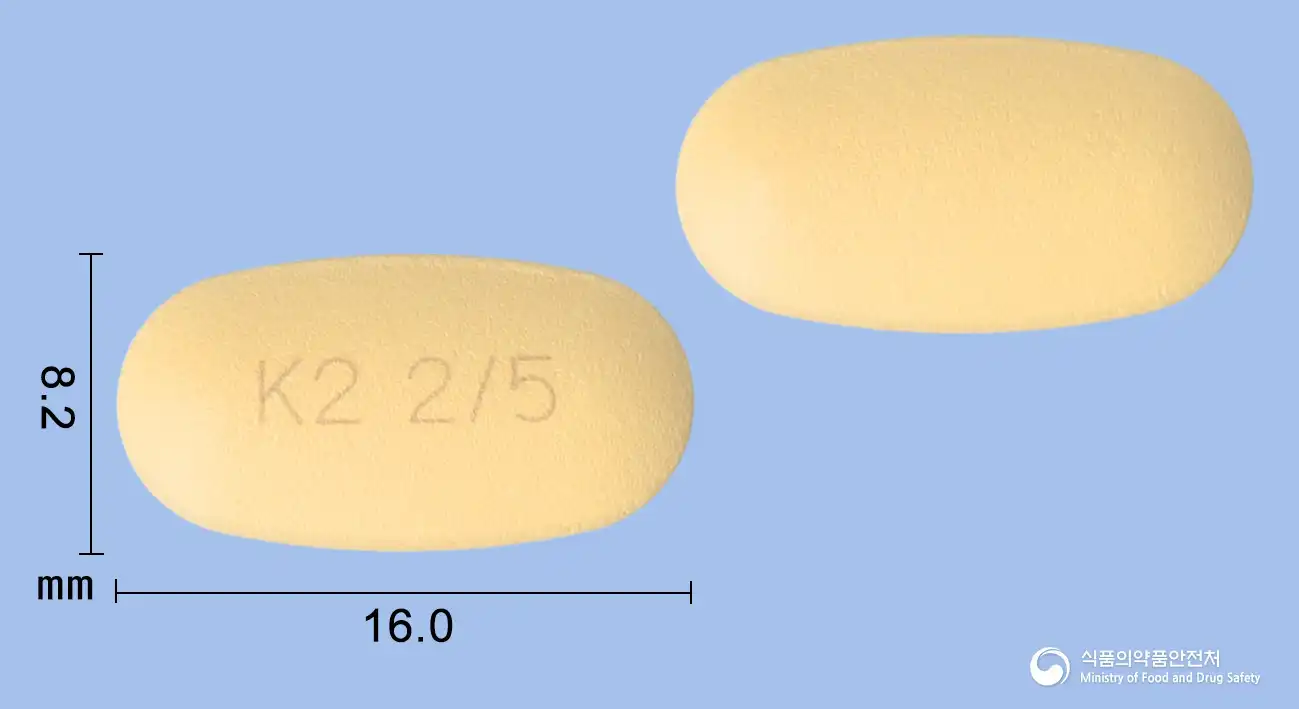
Linagliptin Micronized 2.5mg · Metformin Hydrochloride 500mg
Tablet · Prescription medication · Combination
Genewon Science Co., Ltd.
 Combination
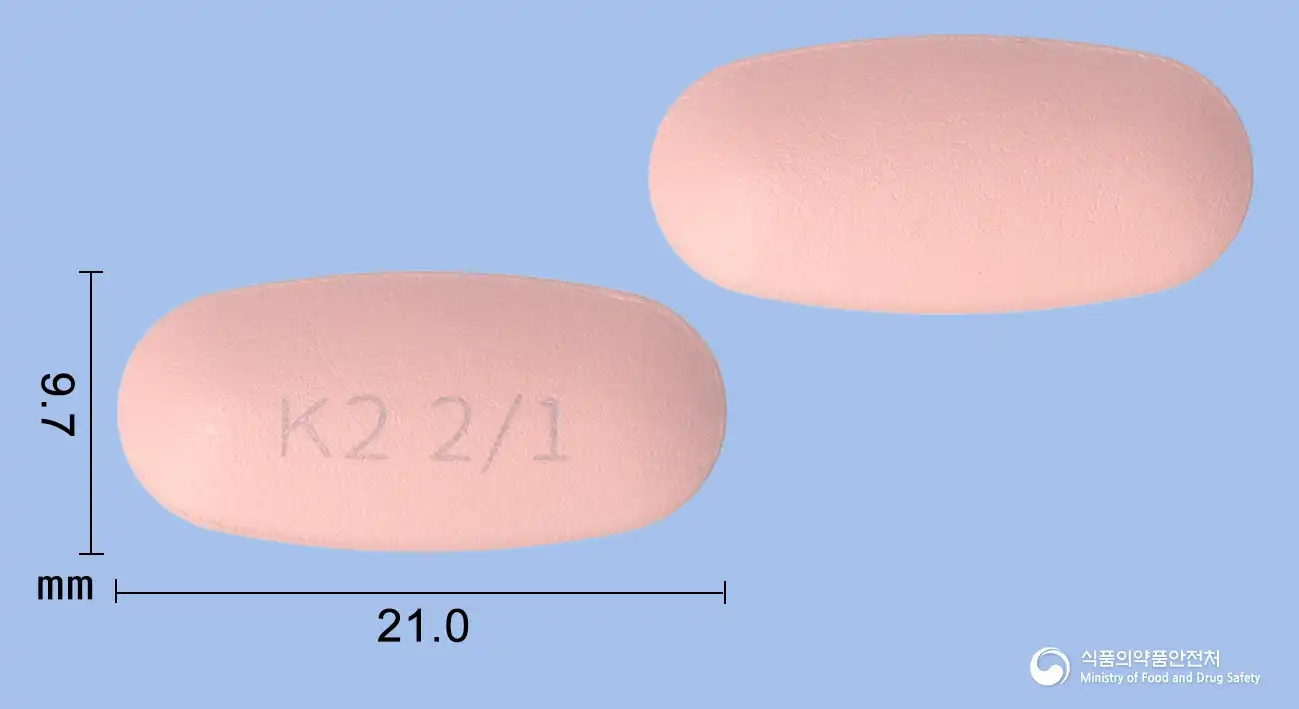
Linagliptin Micronized 2.5mg · Metformin Hydrochloride 1000mg
Tablet · Prescription medication · Combination
Genewon Science Co., Ltd.
 Combination
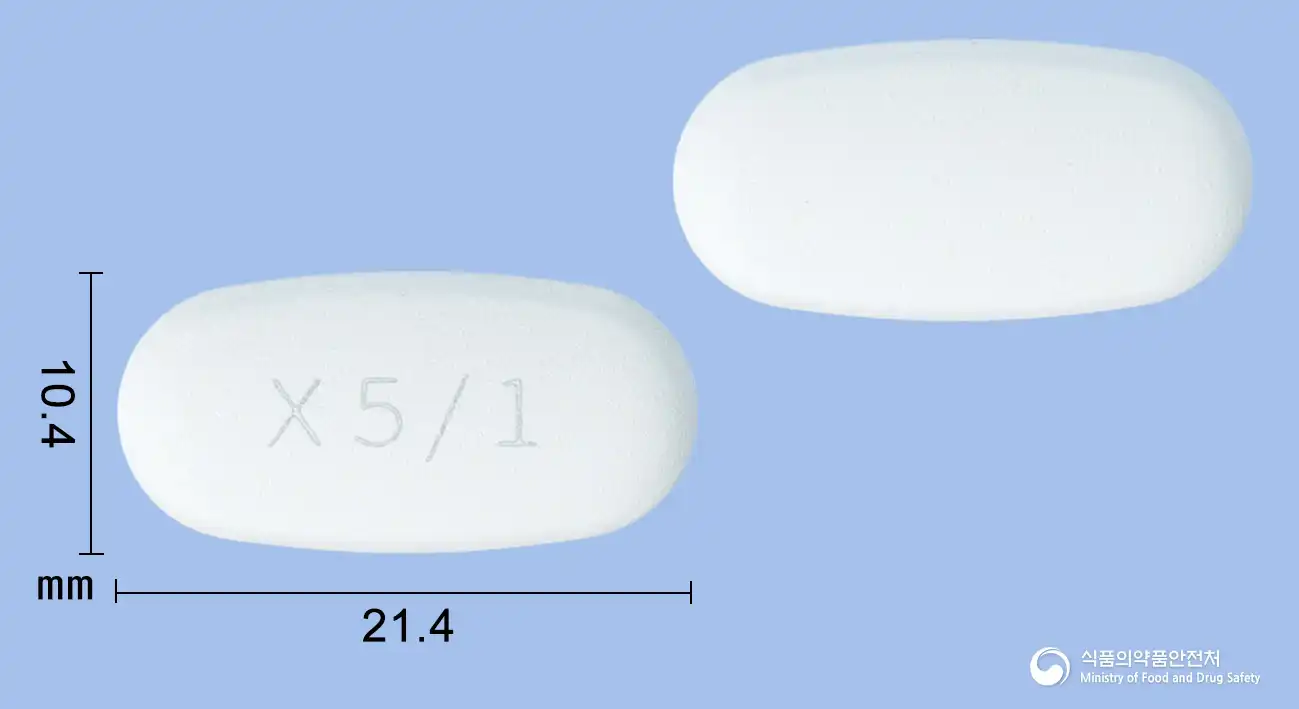
Linagliptin Micronized 5mg · Metformin Hydrochloride 1000mg
Tablet · Prescription medication · Combination
Genewon Science Co., Ltd.
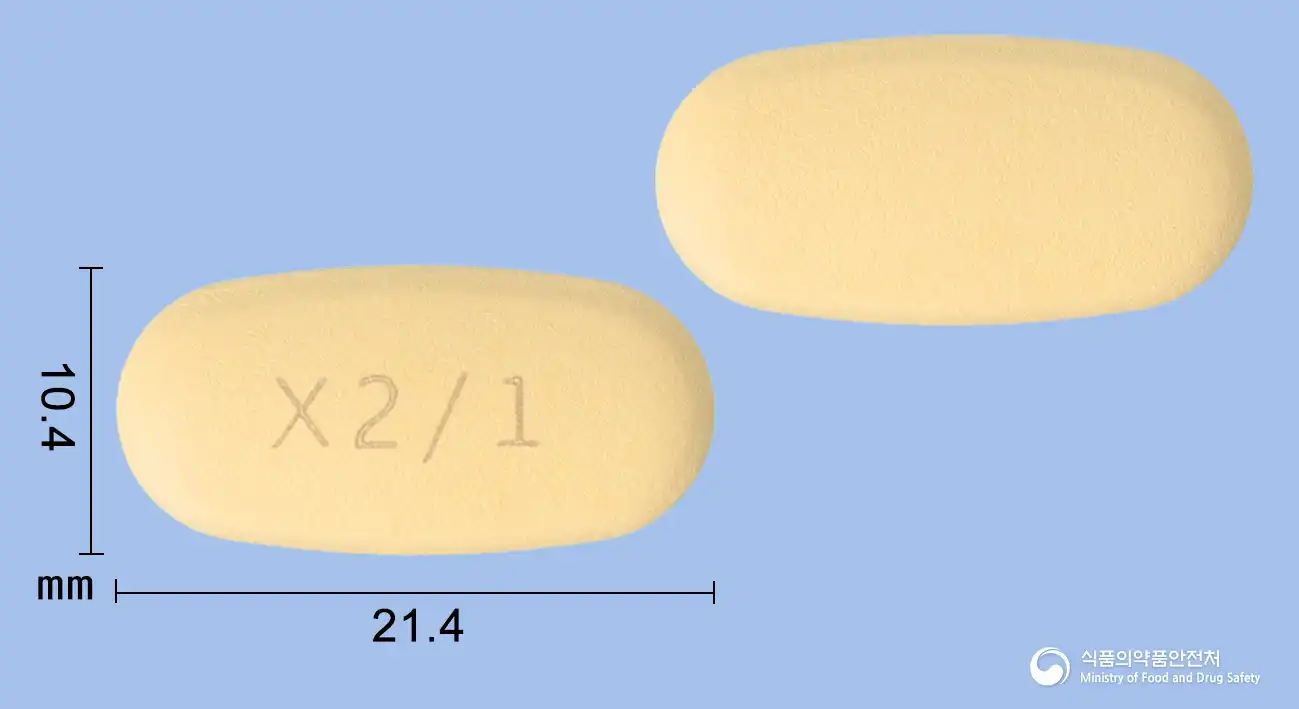 Combination
Linagliptin Micronized 2.5mg · Metformin Hydrochloride 1000mg
Tablet · Prescription medication · Combination
Genewon Science Co., Ltd.
Even with the same ingredient, the dose and directions can differ by strength and dosage form. Talk to a doctor or pharmacist before switching from a medication you are already taking.
No questions yet.
For anything that needs medical judgment, consult a doctor or pharmacist.
This drug information is based on data provided by the Korea Ministry of Food and Drug Safety.
Consult a doctor or pharmacist for accurate dosage, administration, and usage instructions.