
 한국어
한국어 English
 日本語
日本語 中文(简体)
 Viewing nowCombination
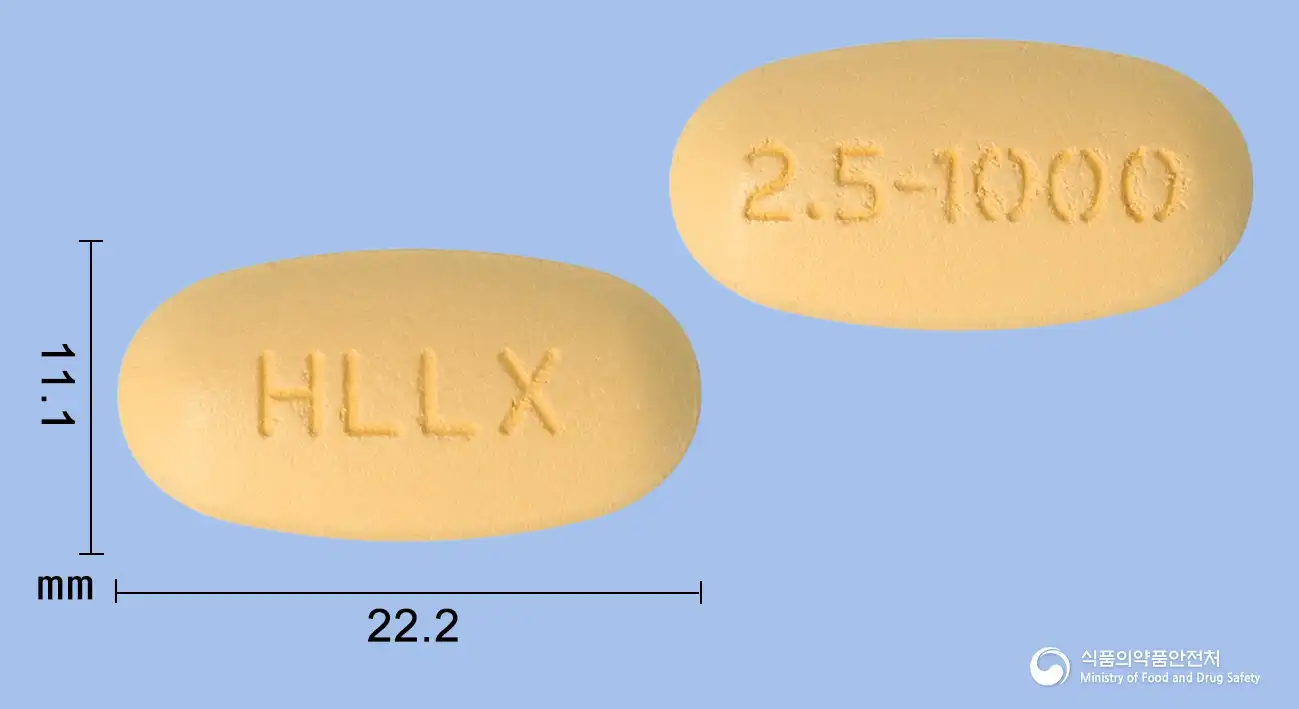
Rinarem Extended-Release Tablets 2.5/1000 mg (Linagliptin, Metformin)
Metformin Hydrochloride 1000mg · Linagliptin Micronized 2.5mg
Tablet · Prescription medication · Combination
Hanlim Pharmaceutical Co., Ltd.
MFDS item code 202400571 · Approved 2024.03.18 · Insurance code 645307050
Improvement in blood sugar control for type 2 diabetes
This medication is prescribed to assist in blood sugar control for patients with type 2 diabetes using both Linagliptin and Metformin. When taken along with diet and exercise, it can help manage blood sugar levels more effectively. This helps prevent complications and maintain a healthy blood sugar state. Taking this medication along with improvements in lifestyle habits provides significant assistance in diabetes management.
This medication should be taken once daily with food, during the evening meal. To maintain its extended-release characteristics, it should be swallowed whole without breaking, crushing, grinding, or chewing. The 5/1000 mg extended-release tablet should be taken once daily, one tablet at a time. The 2.5/1000 mg extended-release tablet should be taken once daily, two tablets at a time. The initial dosage is Linagliptin 5 mg and Metformin Hydrochloride 1000 mg, with the Metformin Hydrochloride taken at a daily dose.
This medication can rarely cause serious lactic acidosis or hypoglycemia, so caution is required. Patients with allergies to the components of this medication, or those with type 1 diabetes, lactic acidosis, or diabetic ketoacidosis should not use this medication. Administration should also be avoided in patients with severely impaired kidney function or conditions that could affect kidney function such as acute infections, shock, severe trauma, etc. Patients with liver function disorders, gastrointestinal disorders, acute alcohol intoxication, or alcoholism should also refrain from using this medication. Pregnant women or women with a risk of placental dysfunction or preeclampsia should not use this medication. This medication carries a risk of hypoglycemia, so careful dose adjustment and blood sugar monitoring are required when used with insulin or sulfonylureas and other hypoglycemic agents. Due to the risk of lactic acidosis, special caution is needed in cases with risk factors such as dehydration, cardiovascular disease, liver disease, and excessive alcohol consumption. Kidney function should be regularly tested, and if abnormalities are found, consultation with healthcare professionals should be sought immediately. If symptoms of acute pancreatitis or bullous pemphigoid appear, discontinue the medication immediately and consult a physician. This medication should be swallowed whole without crushing, breaking, or chewing, and the tablet shell may pass in your stool, which is normal. This medication may interact with other drugs, so inform your healthcare provider about all medications you are taking. Elderly patients are more likely to have impaired kidney function, so dose adjustments and regular kidney function tests are necessary. Pregnant or breastfeeding women should avoid using this medication, and if pregnancy is planned, consultation with healthcare providers is advised. In cases of overdose, the drug may not be completely absorbed from the gastrointestinal tract, but due to the risk of lactic acidosis, immediate hospital treatment is required. This medication should be stored out of reach of children and protected from moisture.
Hives, severe swelling (including angioedema), angioedema, lactic acidosis, pancreatitis, bullous pemphigoid, liver function abnormalities (including liver function impairment, hepatitis, etc.), angina, acute myocardial infarction, unstable angina, cardiac arrest, heart failure, acute kidney injury, end-stage renal disease, severe edema accompanied by increased blood pressure, chest tightness, difficulty breathing, asthma attacks, severe allergic reactions, severe skin adverse reactions, respiratory issues, jaundice, severe nervous system complications.
Nasopharyngitis, hypersensitivity reactions, hypoglycemia (when used in combination), taste disturbances, cough, loss of appetite, diarrhea, constipation, nausea, vomiting, abdominal pain, oral ulcers, liver function abnormalities, hepatitis, itching, erythema, rashes, non-severe joint pain, increases in lipase enzymes, increase in amylase, abnormal vitamin B12 absorption tests, angioedema, increased triglycerides in the blood, decreased hemoglobin levels, increased potassium levels in the blood, increased creatinine levels in the blood.
Not everyone experiences these, and they can vary from person to person.
This medication can be sensitive to air or moisture, so it should be stored in a tightly sealed container. Additionally, it is best stored at room temperature, between 1 to 30 degrees Celsius, ensuring it is not too hot or too cold.
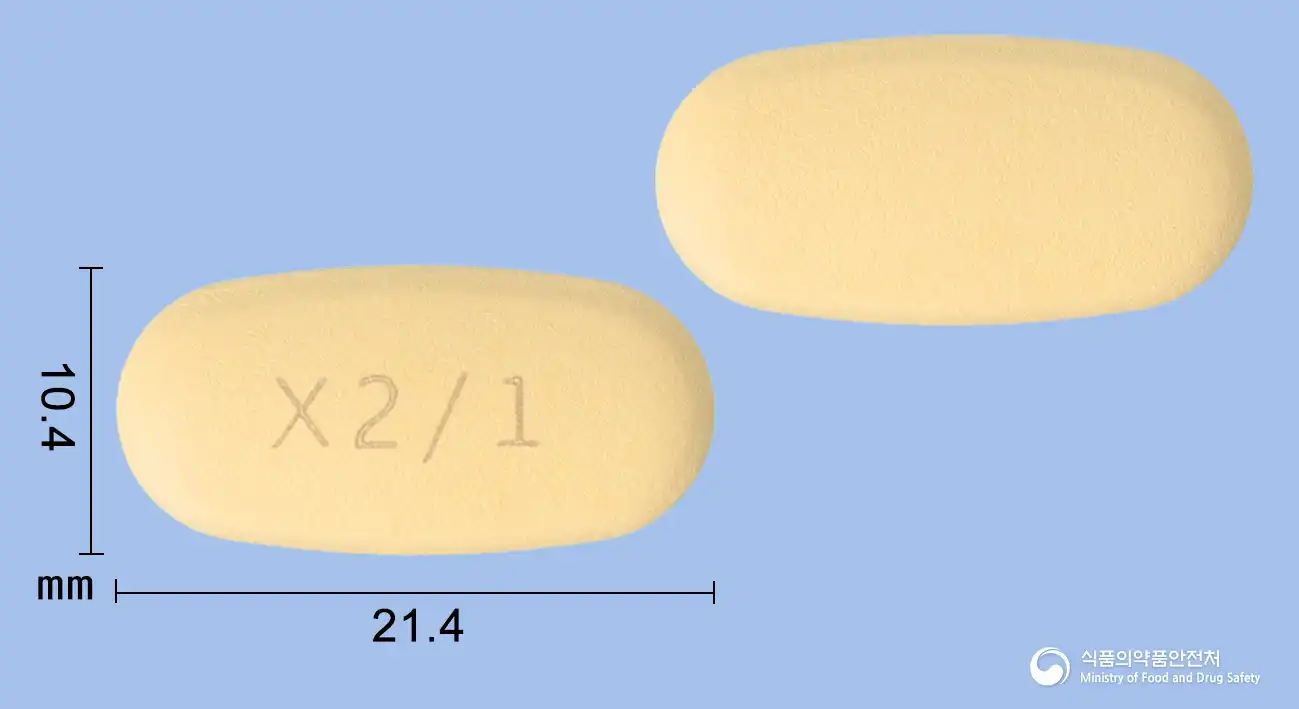
Yellow, oval-shaped, biconvex, extended-release film-coated tablet
30 tablets/bottle
Even with the same ingredient, strength, dosage form and how it is taken can differ.
Viewing nowCombinationMetformin Hydrochloride 1000mg · Linagliptin Micronized 2.5mg
Tablet · Prescription medication · Combination
Hanlim Pharmaceutical Co., Ltd.
Linagliptin Micronized 2.5mg · Metformin Hydrochloride 1000mg
Tablet · Prescription medication · Combination
Samjin Pharmaceutical Co., Ltd.
Linagliptin Micronized 2.5mg · Metformin Hydrochloride 500mg
Tablet · Prescription medication · Combination
Samjin Pharmaceutical Co., Ltd.
Linagliptin Micronized 2.5mg · Metformin Hydrochloride 850mg
Tablet · Prescription medication · Combination
Samjin Pharmaceutical Co., Ltd.
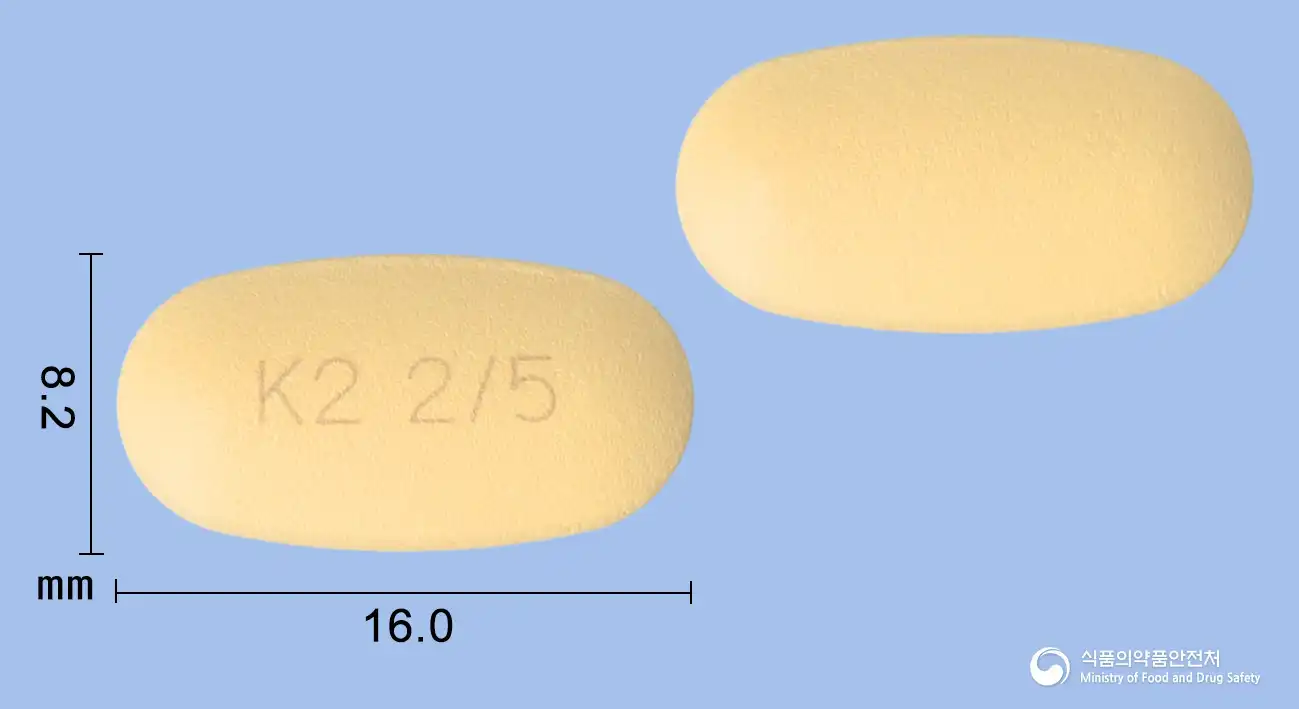 Combination
Linagliptin Micronized 2.5mg · Metformin Hydrochloride 500mg
Tablet · Prescription medication · Combination
Genewon Science Co., Ltd.
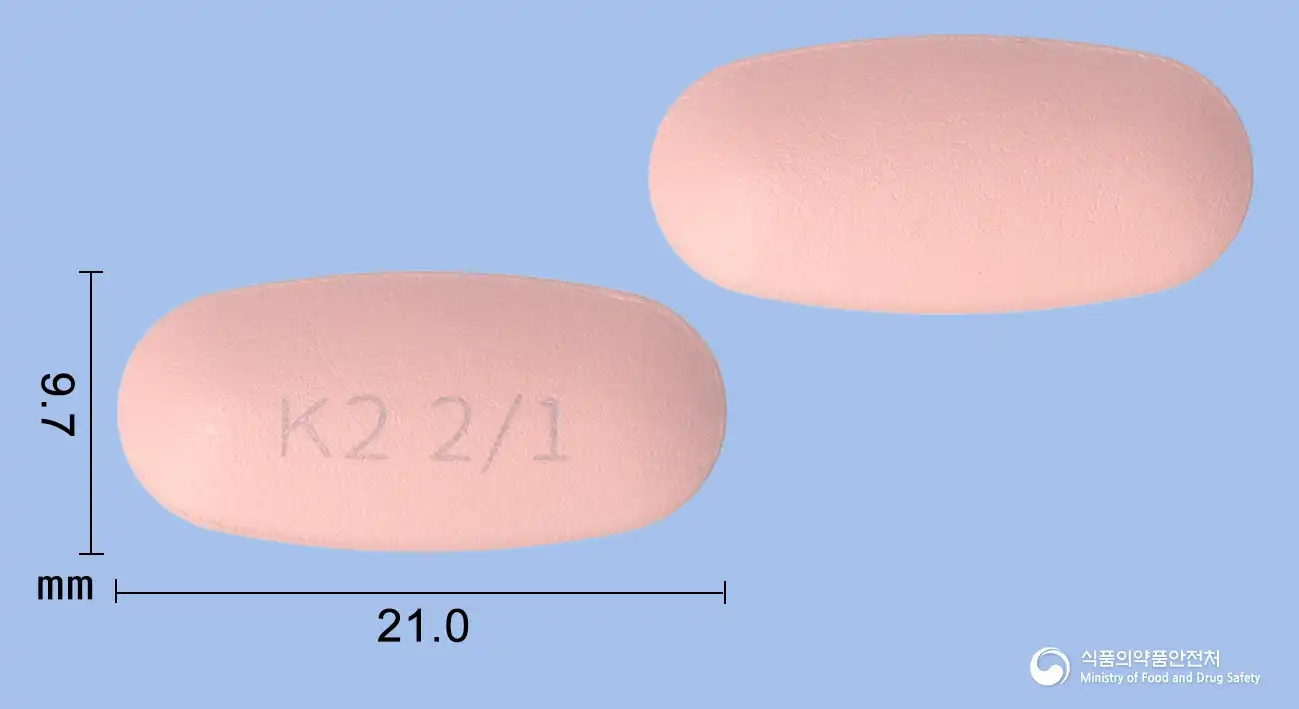 Combination
Linagliptin Micronized 2.5mg · Metformin Hydrochloride 1000mg
Tablet · Prescription medication · Combination
Genewon Science Co., Ltd.
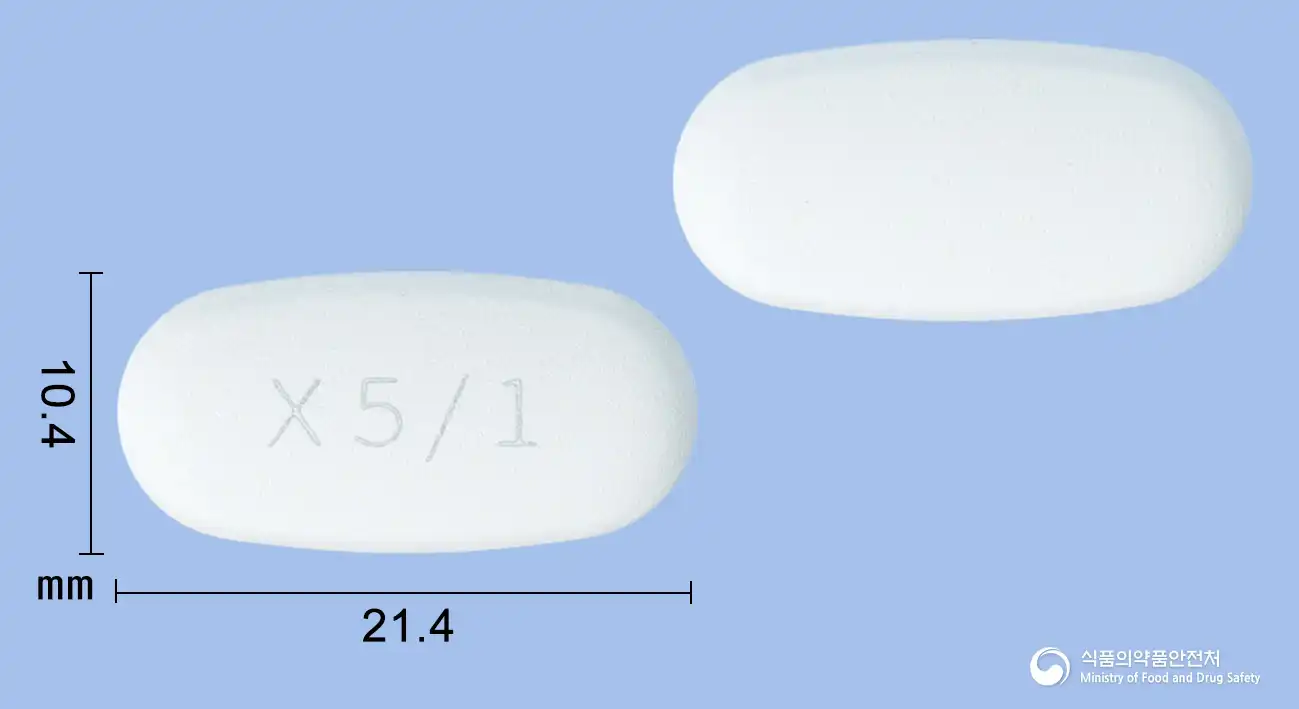 Combination
Linagliptin Micronized 5mg · Metformin Hydrochloride 1000mg
Tablet · Prescription medication · Combination
Genewon Science Co., Ltd.
 Combination
Linagliptin Micronized 2.5mg · Metformin Hydrochloride 1000mg
Tablet · Prescription medication · Combination
Genewon Science Co., Ltd.
Even with the same ingredient, the dose and directions can differ by strength and dosage form. Talk to a doctor or pharmacist before switching from a medication you are already taking.
No questions yet.
For anything that needs medical judgment, consult a doctor or pharmacist.
This drug information is based on data provided by the Korea Ministry of Food and Drug Safety.
Consult a doctor or pharmacist for accurate dosage, administration, and usage instructions.