
 한국어
한국어 English
 日本語
日本語 中文(简体)
 Viewing now
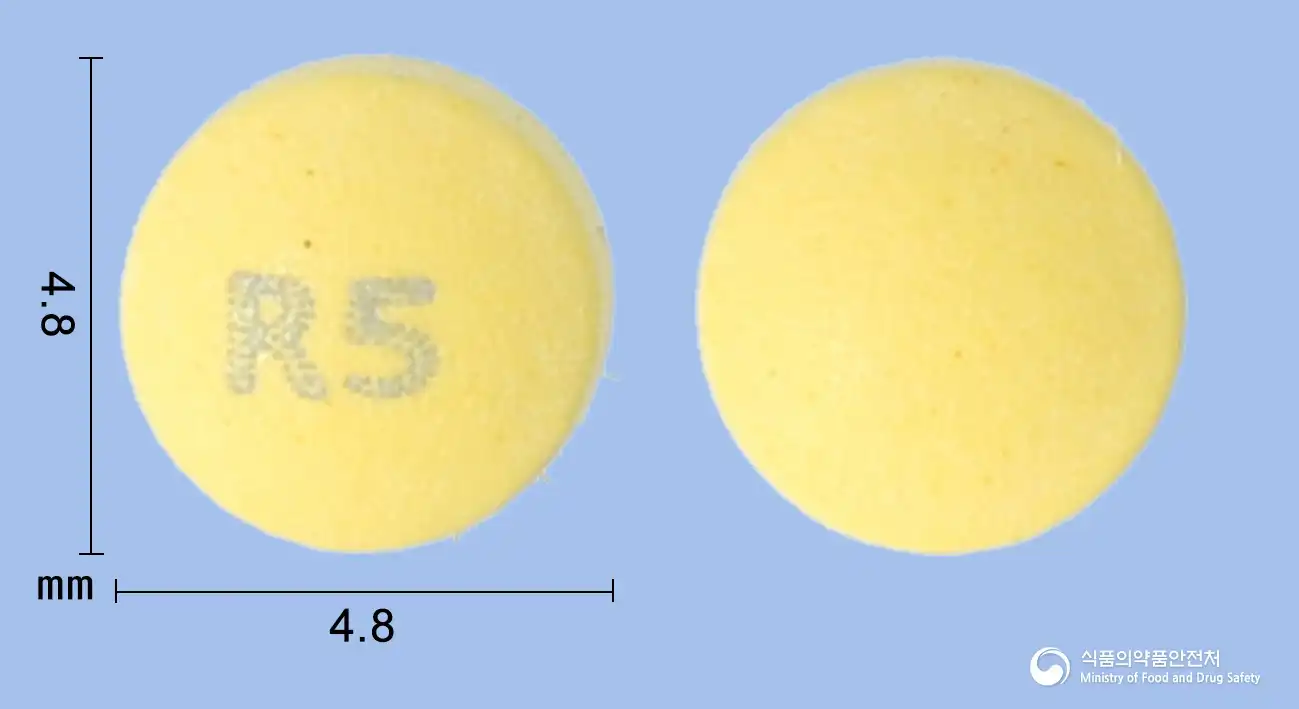
Daewoong Rabeprazole Tablet 5 mg (Rabeprazole Sodium)
Rabeprazole Sodium 5mg
Tablet · Prescription medication
Daewoong Bio Co., Ltd.
MFDS item code 202303014 · Approved 2023.10.30 · Insurance code 694004350
Prevention of gastric and duodenal ulcers caused by low-dose aspirin
It is used to prevent the recurrence of gastric and duodenal ulcers in patients with a history of gastric and duodenal ulcers by administering low-dose aspirin of 100 mg or less daily.
The standard dosage for adults is to take 5 mg of Rabeprazole Sodium orally once a day.
This medication should not be used in certain patients. For instance, patients who are allergic to this medication or its components or those taking certain antiviral medications such as Atazanavir or Rilpivirine should not take this medication. It is also considered safest for women who are pregnant or breastfeeding not to use this medication. Patients with poor liver function or elderly patients, as well as those with a history of drug allergies, should use this medication with caution. This medication contains certain dyes that require caution for those allergic to these components. While taking this medication, there may be adverse reactions such as skin rashes, hives, and itching, so if these symptoms occur, discontinue use immediately. Additionally, there may be changes in red blood cell or white blood cell counts observed through blood tests, so regular blood testing is recommended. Liver function tests should also be conducted regularly, and if any signs of liver dysfunction arise, discontinue use immediately. Various adverse reactions such as cardiac symptoms, changes in blood pressure, digestive symptoms, headaches, dizziness, and difficulty breathing have been reported; if any unusual symptoms occur, consult a physician. Long-term use of this medication may increase the risk of fractures, so caution is especially needed if taken for more than one year. Moreover, hypomagnesemia may occur, so it is advisable to periodically check magnesium levels. This medication may suppress gastric acid secretion, potentially increasing the risk of certain bacterial infections, so if symptoms such as persistent diarrhea or difficulty breathing occur, consult medical personnel immediately. Caution is advised as drowsiness may occur when driving or operating machinery. There may be interactions with other medications, so if taking warfarin, methotrexate, antifungal medications, or certain antiviral agents, inform your doctor or pharmacist. Do not chew or crush this medication but swallow it whole in tablet form, and keep it out of reach of children. Women who are pregnant or breastfeeding should not use this medication, and elderly patients should use it more cautiously due to potential risks from reduced liver function. In case of overdose, there is no specific antidote, so appropriate treatment based on symptoms should be administered, and regular checks are necessary if taken over an extended period.
Hives, severe swelling, chest tightness, difficulty breathing, cold sweats, pallor, acute hepatitis, liver dysfunction, jaundice, severe skin reactions (toxic epidermal necrolysis, Stevens-Johnson syndrome, erythema multiforme), respiratory issues (difficulty breathing, asthma, apnea, respiratory depression, interstitial pneumonia), sudden and severe headache, seizures, altered consciousness, visual disturbances, paralysis, severe edema, and urinary abnormalities (severe edema, high blood pressure)
Not everyone experiences these, and they can vary from person to person.
This medication should be stored in a closed container to protect it from air and moisture and should be kept at room temperature between 1 and 30 degrees Celsius. Proper storage will help maintain the medication's effectiveness for a longer period.
Pale yellow round enteric-coated tablets
28 tablets/box[28 tablets[(14 tablets/PTP)×2]], 30 tablets/bottle, 300 tablets/bottle
Even with the same ingredient, strength, dosage form and how it is taken can differ.
Viewing nowRabeprazole Sodium 5mg
Tablet · Prescription medication
Daewoong Bio Co., Ltd.
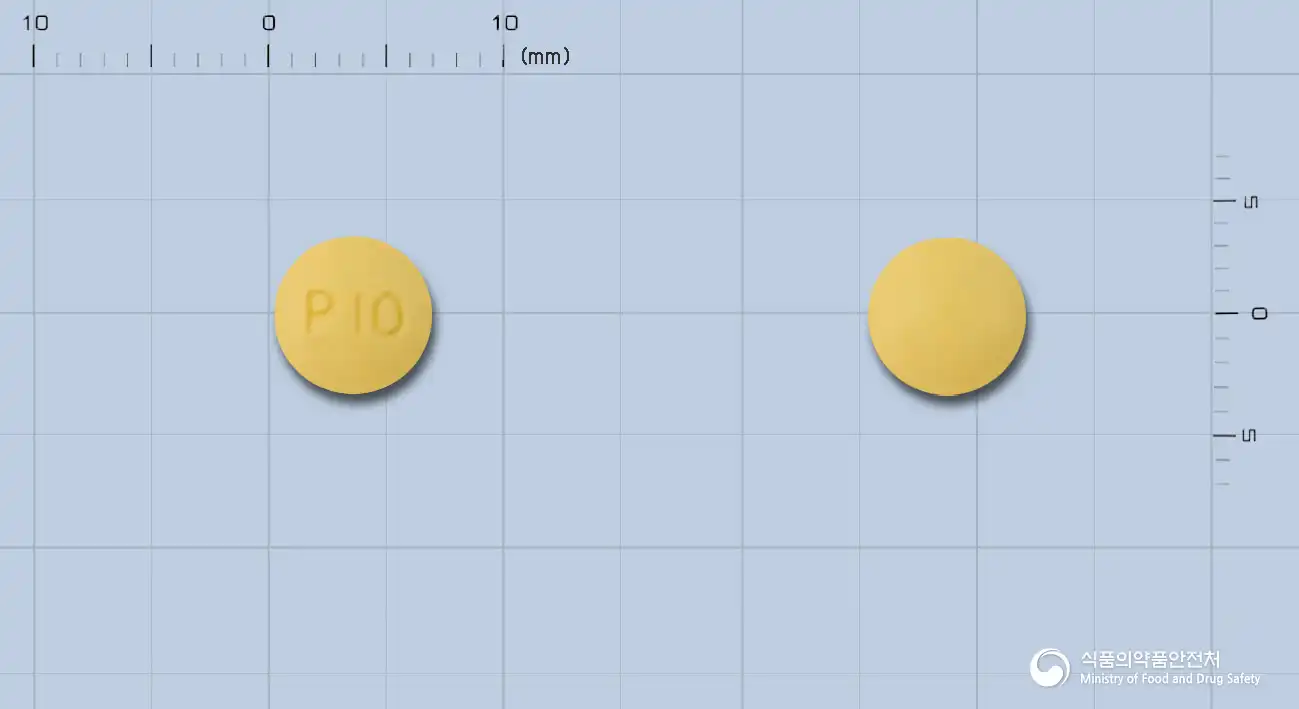
Rabeprazole Sodium 10mg
Tablet · Prescription medication
Genewon Sciences Co., Ltd.
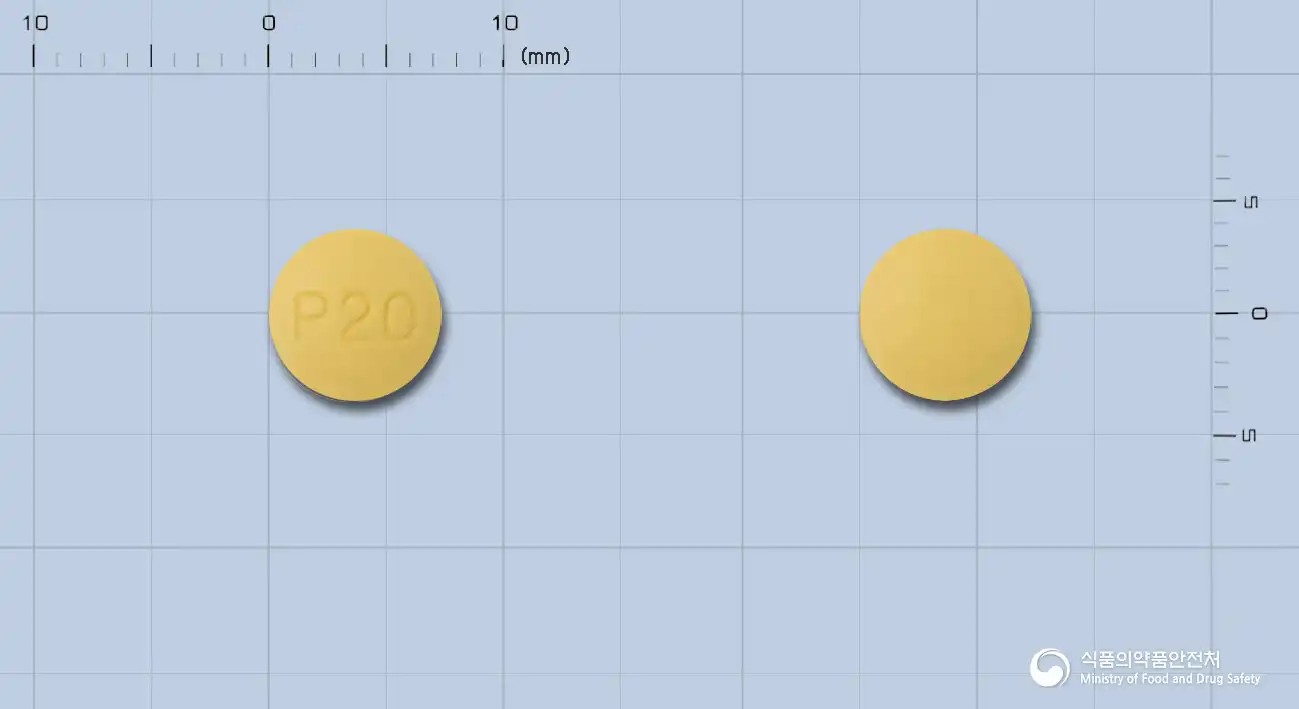
Rabeprazole Sodium 20mg
Tablet · Prescription medication
Genewell Science Co., Ltd.
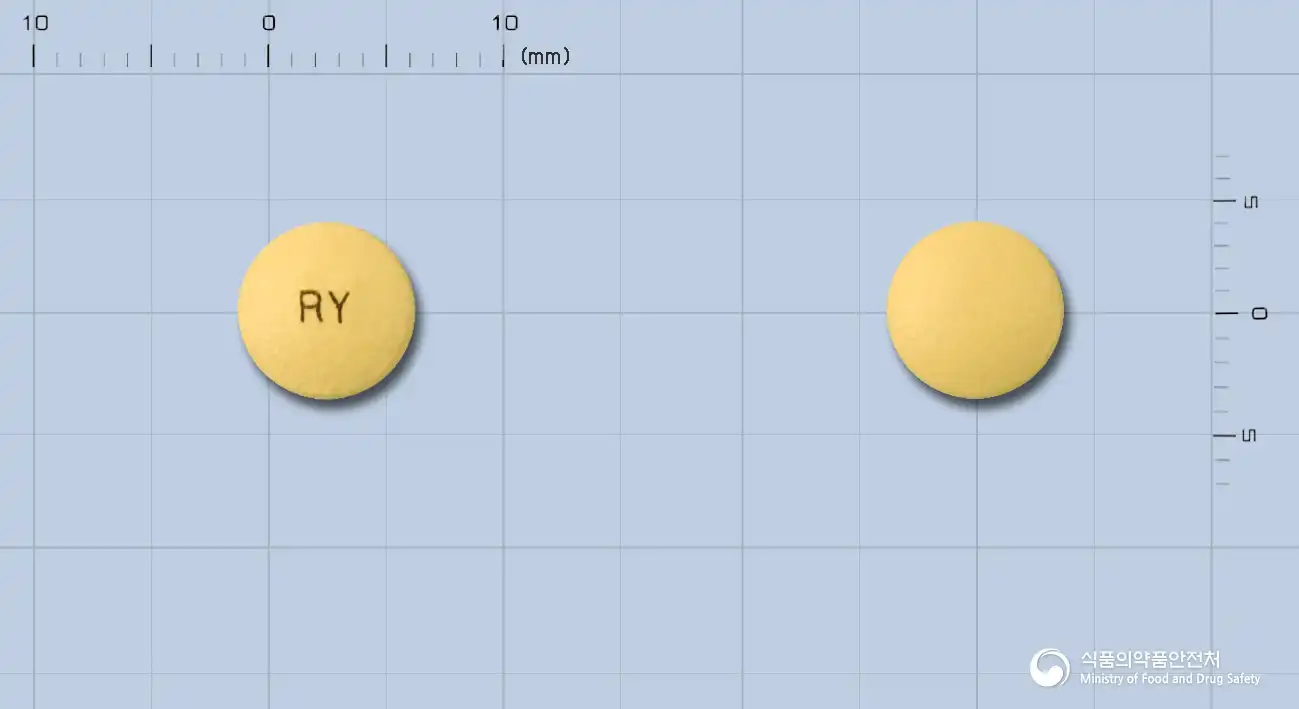
Rabeprazole Sodium 20mg
Tablet · Prescription medication
Ilyun Pharmaceutical Co., Ltd.

Rabeprazole Sodium 10mg
Tablet · Prescription medication
Shinpoong Pharm. Co., Ltd.
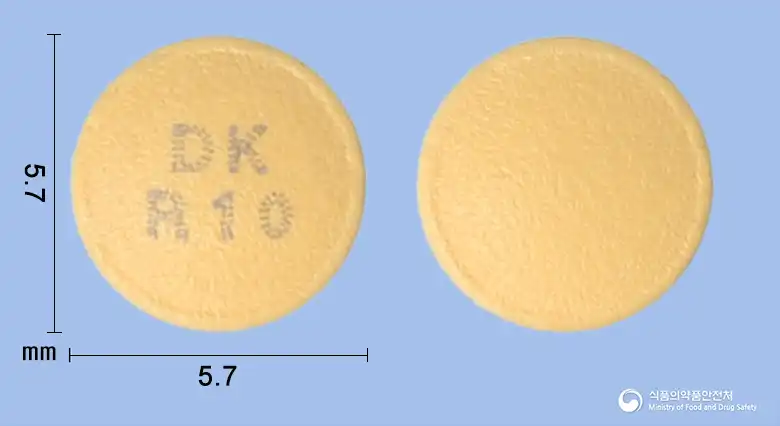
Rabeprazole Sodium 10mg
Tablet · Prescription medication
Dongkuk Pharmaceutical Co., Ltd.
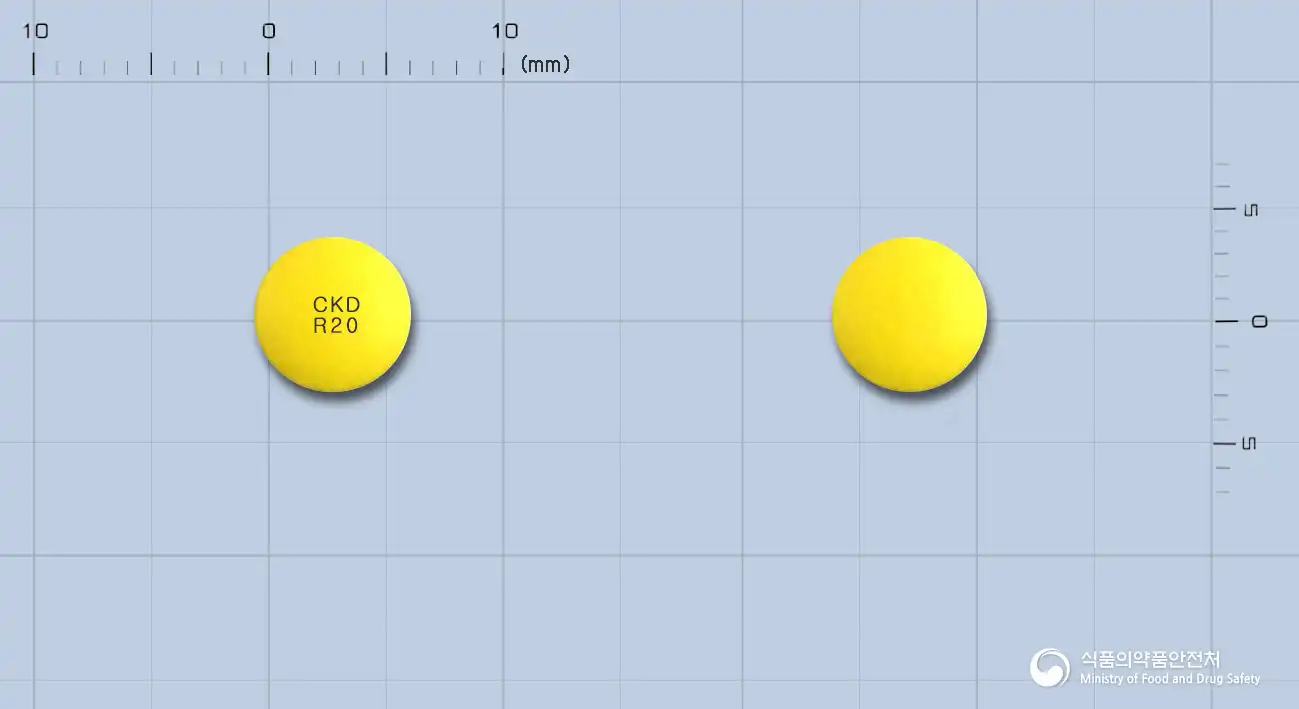
Rabeprazole Sodium 20mg
Tablet · Prescription medication
Jongkundang Co., Ltd.
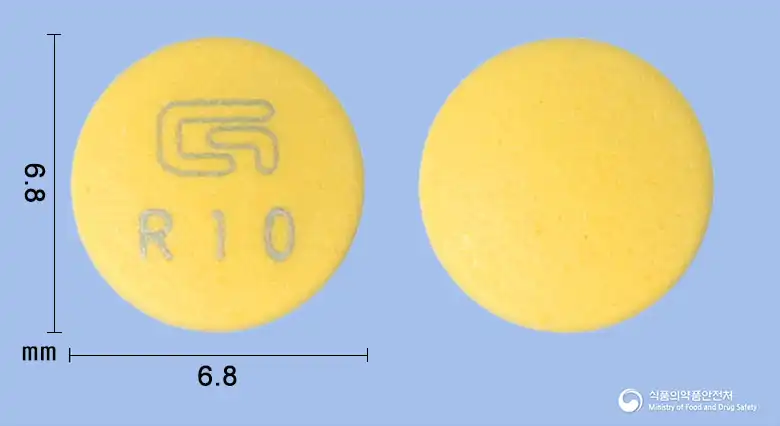
Rabeprazole Sodium 10mg
Tablet · Prescription medication
Donggwang Pharmaceutical Co., Ltd.
Even with the same ingredient, the dose and directions can differ by strength and dosage form. Talk to a doctor or pharmacist before switching from a medication you are already taking.
No questions yet.
For anything that needs medical judgment, consult a doctor or pharmacist.
This drug information is based on data provided by the Korea Ministry of Food and Drug Safety.
Consult a doctor or pharmacist for accurate dosage, administration, and usage instructions.