
 한국어
한국어 English
 日本語
日本語 中文(简体)
Dosage form image
Viewing nowCombinationJanupio Tablet 100/30 mg (Sitagliptin, Pioglitazone)
Sitagliptin Phosphate Hydrate 128.5mg · Pioglitazone Hydrochloride 33.06mg
Tablet · Prescription medication · Combination
Daewon Pharmaceutical Co., Ltd.
MFDS item code 202302301 · Approved 2023.07.31
Improvement of blood glucose control in type 2 diabetes
This drug helps improve blood glucose control in patients with type 2 diabetes by using sitagliptin and pioglitazone together. When taken along with dietary control and exercise therapy, it is effective for blood glucose management. It is used to maintain stable blood glucose levels and improve diabetes symptoms.
For patients with type 2 diabetes combining sitagliptin 100mg and pioglitazone 15mg or 30mg, administer one tablet orally once daily, regardless of meals.
This drug consists of two active ingredients. The first ingredient is sitagliptin, which may rarely cause serious allergic reactions during treatment. Such reactions may include symptoms like skin rash, difficulty breathing, or swelling of the face or neck; if any of these symptoms occur, discontinue use immediately and consult a doctor. Additionally, sitagliptin can cause inflammation of the pancreas known as pancreatitis, so if symptoms such as abdominal pain, vomiting, or nausea occur after taking this medication, inform your healthcare provider promptly. The second ingredient, pioglitazone, may worsen edema or heart failure in patients with compromised heart function; thus, it is advisable not to use this medication in individuals with a history of heart disease or past heart failure. Furthermore, pioglitazone can cause fluid retention, leading to swelling or weight gain, and if these symptoms appear, consult with your healthcare provider. This drug requires proper dose adjustments for patients with impaired kidney function and should not be administered in cases of severe kidney disease. Patients with decreased liver function should also use this drug with caution, and if symptoms of liver dysfunction occur, they should notify their physician immediately. Moreover, this medication should not be used in patients with a history of bladder cancer or active bladder cancer, and women who are pregnant or may become pregnant should avoid taking it. During treatment, it is important to monitor for symptoms of hypoglycemia, such as dizziness, cold sweat, or severe hunger. When taken with other diabetes medications, the risk of hypoglycemia may increase. Regular blood glucose, kidney, and liver function tests are essential during the use of this drug. Additionally, if symptoms of heart failure such as swelling, difficulty breathing, or sudden weight gain occur, it is necessary to inform the healthcare provider immediately. Finally, some patients have reported atypical reactions, such as arthralgia or blistering of the skin, therefore if these symptoms occur, prompt medical attention should be sought.
Not everyone experiences these, and they can vary from person to person.
This drug should be stored in a container that protects it from light and air and should be kept away from moisture. The appropriate storage temperature is recommended to be between 15 degrees and 30 degrees Celsius.
Light orange, rectangular film-coated tablet
28 tablets/box [14 tablets/PTP x 2]
Even with the same ingredient, strength, dosage form and how it is taken can differ.
Sitagliptin Phosphate Hydrate 128.5mg · Pioglitazone Hydrochloride 33.06mg
Tablet · Prescription medication · Combination
Daewon Pharmaceutical Co., Ltd.
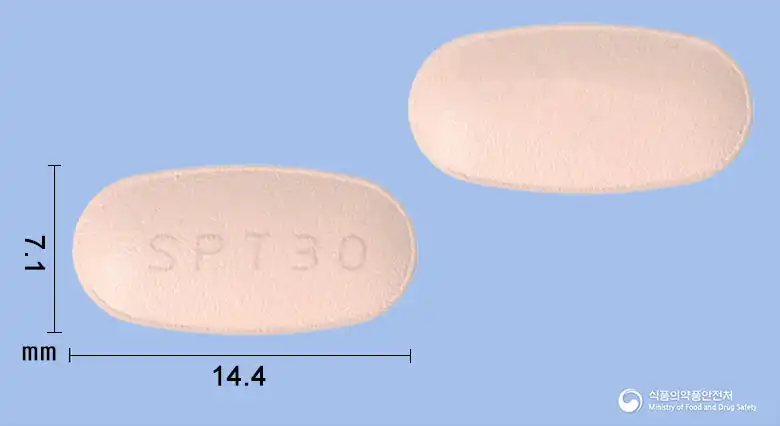 Combination
Sitagliptin Phosphate Hydrate 128.5mg · Pioglitazone Hydrochloride 33.06mg
Tablet · Prescription medication · Combination
Daewoo Pharmaceutical Co., Ltd.
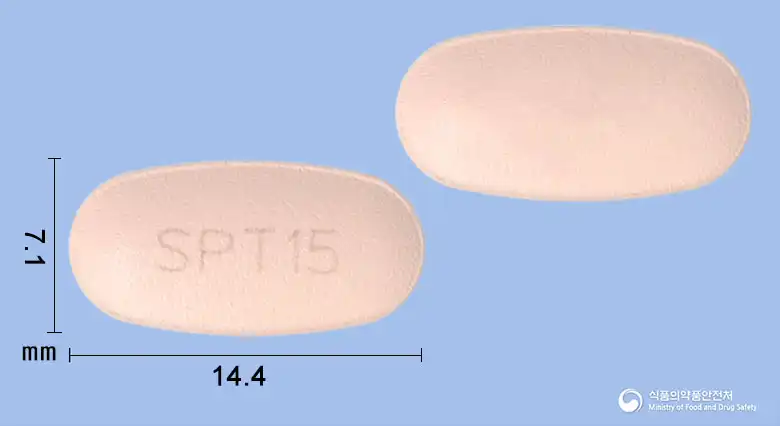 Combination
Sitagliptin Phosphate Hydrate 128.5mg · Pioglitazone Hydrochloride 16.53mg
Tablet · Prescription medication · Combination
Daewoo Pharmaceuticals Co., Ltd.
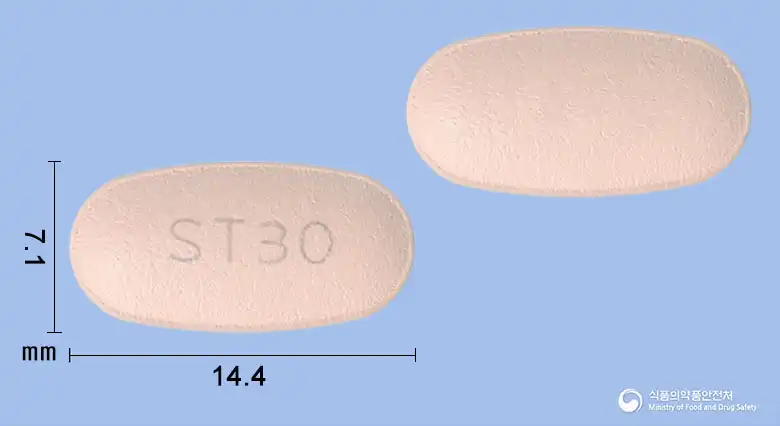 Combination
Sitagliptin Phosphate Hydrate 128.5mg · Pioglitazone Hydrochloride 33.06mg
Tablet · Prescription medication · Combination
Hyundai Pharmaceutical Co., Ltd.
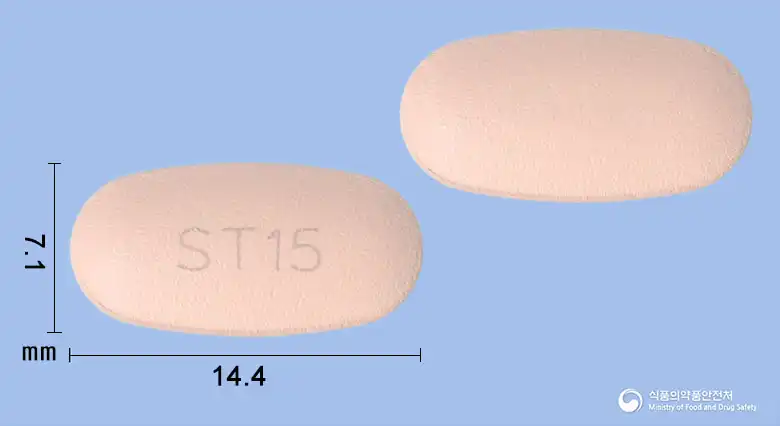 Combination
Sitagliptin Phosphate Hydrate 128.5mg · Pioglitazone Hydrochloride 16.53mg
Tablet · Prescription medication · Combination
Hyundai Pharmaceutical Co., Ltd.
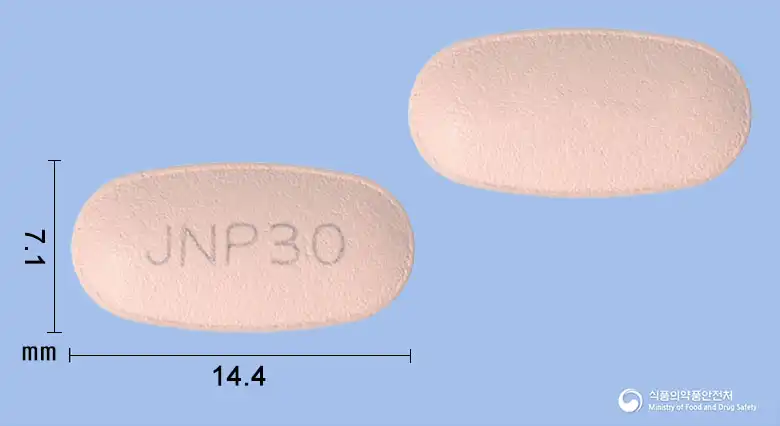 Combination
Sitagliptin Phosphate Hydrate 128.5mg · Pioglitazone Hydrochloride 33.06mg
Tablet · Prescription medication · Combination
Jinyang Pharmaceutical Co., Ltd.
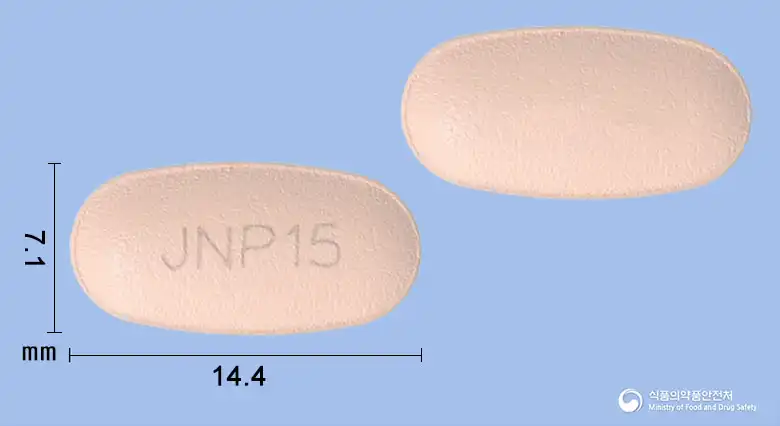 Combination
Sitagliptin Phosphate Hydrate 128.5mg · Pioglitazone Hydrochloride 16.53mg
Tablet · Prescription medication · Combination
Jinyang Pharmaceutical Co., Ltd.
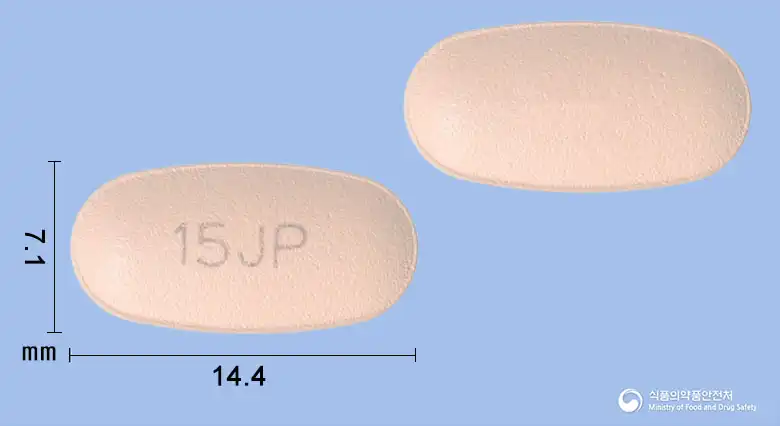 Combination
Sitagliptin Phosphate Hydrate 128.5mg · Pioglitazone Hydrochloride 16.53mg
Tablet · Prescription medication · Combination
Daewon Pharmaceutical Co., Ltd.
Even with the same ingredient, the dose and directions can differ by strength and dosage form. Talk to a doctor or pharmacist before switching from a medication you are already taking.
No questions yet.
For anything that needs medical judgment, consult a doctor or pharmacist.
This drug information is based on data provided by the Korea Ministry of Food and Drug Safety.
Consult a doctor or pharmacist for accurate dosage, administration, and usage instructions.